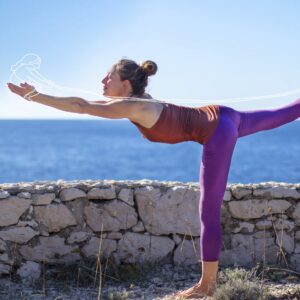
Mindful Balance
Number and Duration of Yoga Lessons:12 recordings • total 10 h 15 minIncludes: 75 min, 5 x 60 min and 6 x 40 min
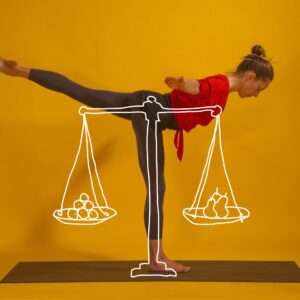
We practise the mindful principle, a healthy balance of alertness and relaxation. We build this attitude through a strong base and ease of growth.
It's possible to order a single yoga lesson from this bundle.
The Tena Yoga Method
How I guide this package
Every class in this package has a clear intention. I guide you through the pose, attention, and breath so you understand what you are doing and find your own balance of strength, mobility, and ease.
More on the lessons
Living mindfully is not difficult because we need nothing special; mindfulness is our nature. We simply need to remember to apply its principle in every situation: maintain a healthy balance of alertness and relaxation. Alertness is awareness, seeing clearly and knowing how to respond. Relaxation is a gentle approach, a compassionate relationship and the willingness to resolve situations constructively. This is the Buddha’s Middle Way, in which we are neither so relaxed that we sleep unconsciously through life nor rigidly tense with stress. It is an attitude in which we are responsive, able to respond well when needed and relax when the time is right. We learn to embody this attitude through yoga poses that strengthen the spine as an axis of alertness while keeping a smile and softness.
Mindfulness: We develop an understanding of mindfulness, a mindful balance within the body and how to apply it in as many everyday situations as possible, alongside regular mindfulness meditation. Read more: What Is Mindfulness?.
Yoga therapy for:
- strong legs and pelvis
- strong muscles along the spine
- upright posture
- strength and relaxation within the same experience
- better concentration
- deep, conscious breathing
- healthy balance within the body
- a feeling of peace and relaxation
Contents of the recording package
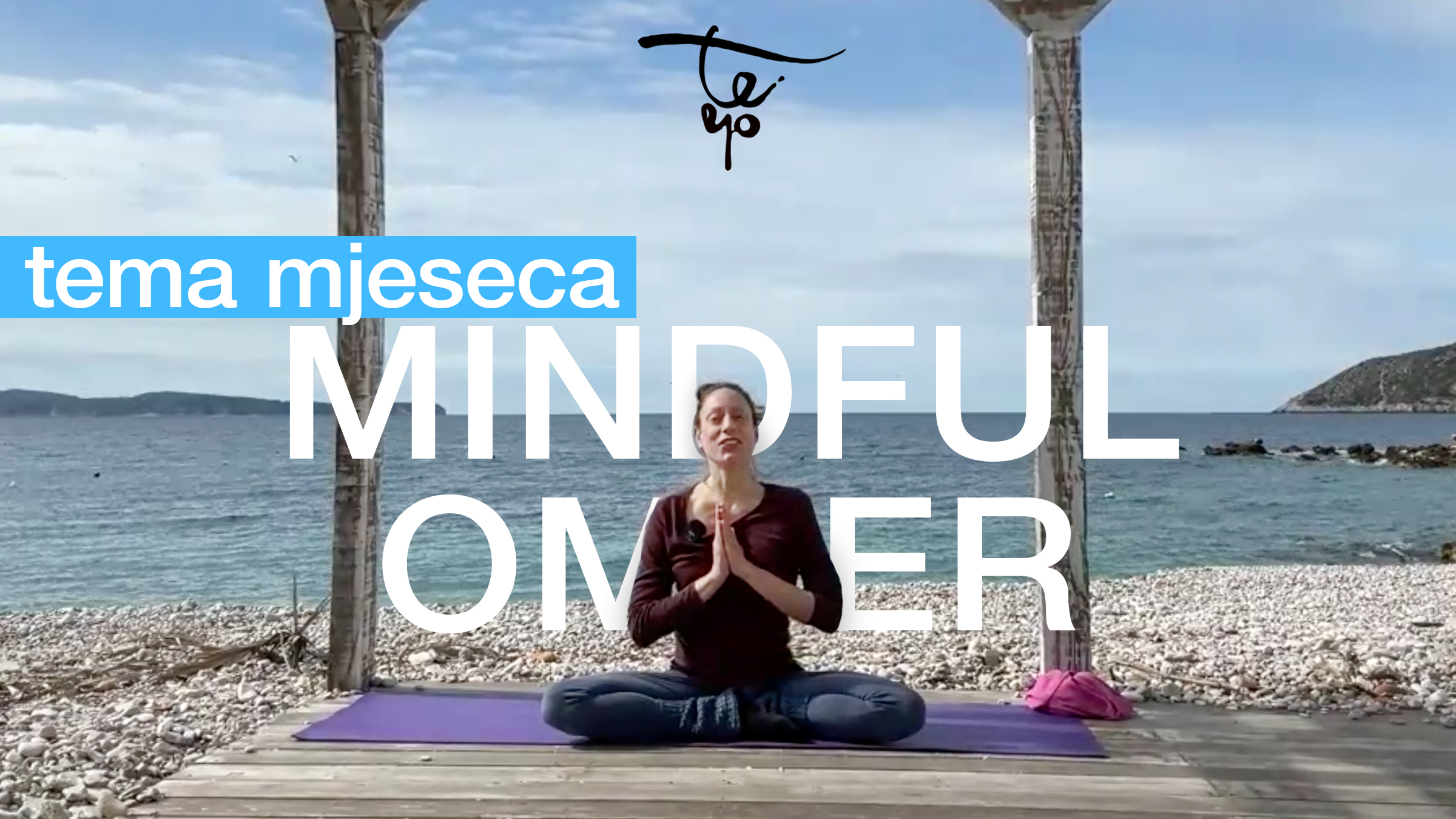
INTRODUCTORY TALK AND YOGA CLASS ON THE MONTH’S THEME – 75 MIN
MINDFUL BALANCE
In the talk, we explore the fundamentals of mindfulness and the key quality trained through meditation.
We create the possibility of a space between what is initially present and invites a reaction and our choice not to react, all with a gentle, present attitude.
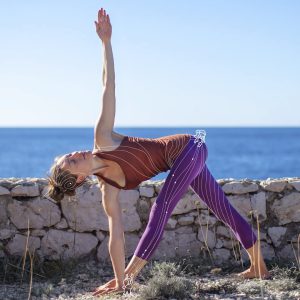
Although I weave mindful principles through every class I teach, it feels important to devote this month to understanding clearly what mindfulnessis, how to apply it and how it supports us. In practice, we move through fundamental Sun Salutations and standing asanas. This month, we use basic poses but take time to enter them differently and arrange them not according to how they “should look”, but according to what the body allows in that moment.
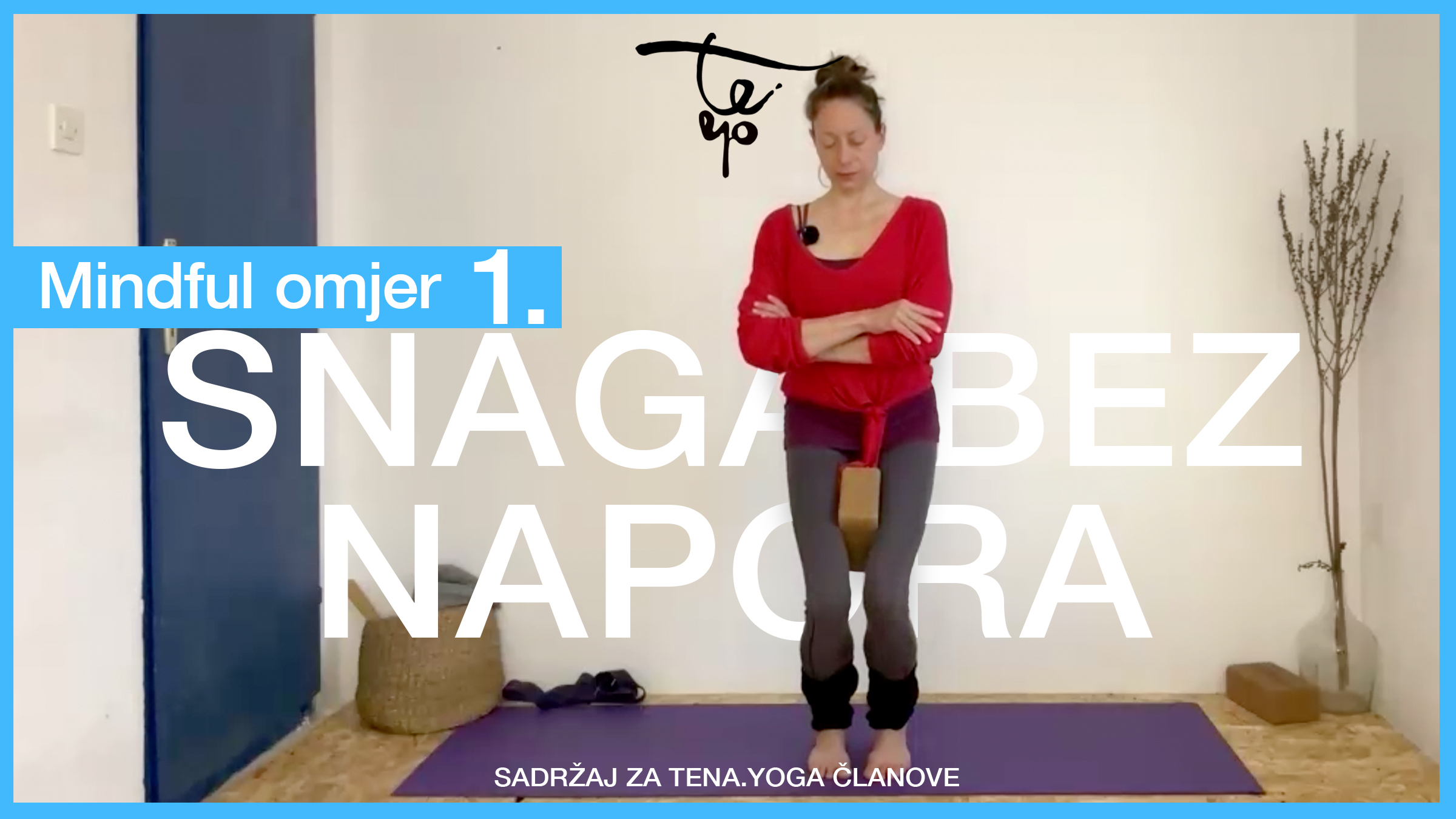
40 MIN
1. STRENGTH WITHOUT EFFORT
Certain muscles give us inner strength and stability upon which we can rely and stand upright without effort. These are the muscles deep within the body rather than those at the periphery. In this class, we begin by strengthening the inner line of the legs and the adductors, muscles that awaken Mula Bandha because they support the pelvic floor. As the poses and movements strengthen us and the body begins to tremble, we remember that strength without strain can exist within the same experience. We relax and allow ourselves to feel the heaviness of strength as only one part of the present experience, because relaxation also rests upon that strength. If we cannot observe the heaviness calmly and relax everything else, soften the pose or wait.
Recognising this balance, when it is too much and I begin persuading myself that I need to hold on, and when I can observe difficulty calmly, is our meditation.
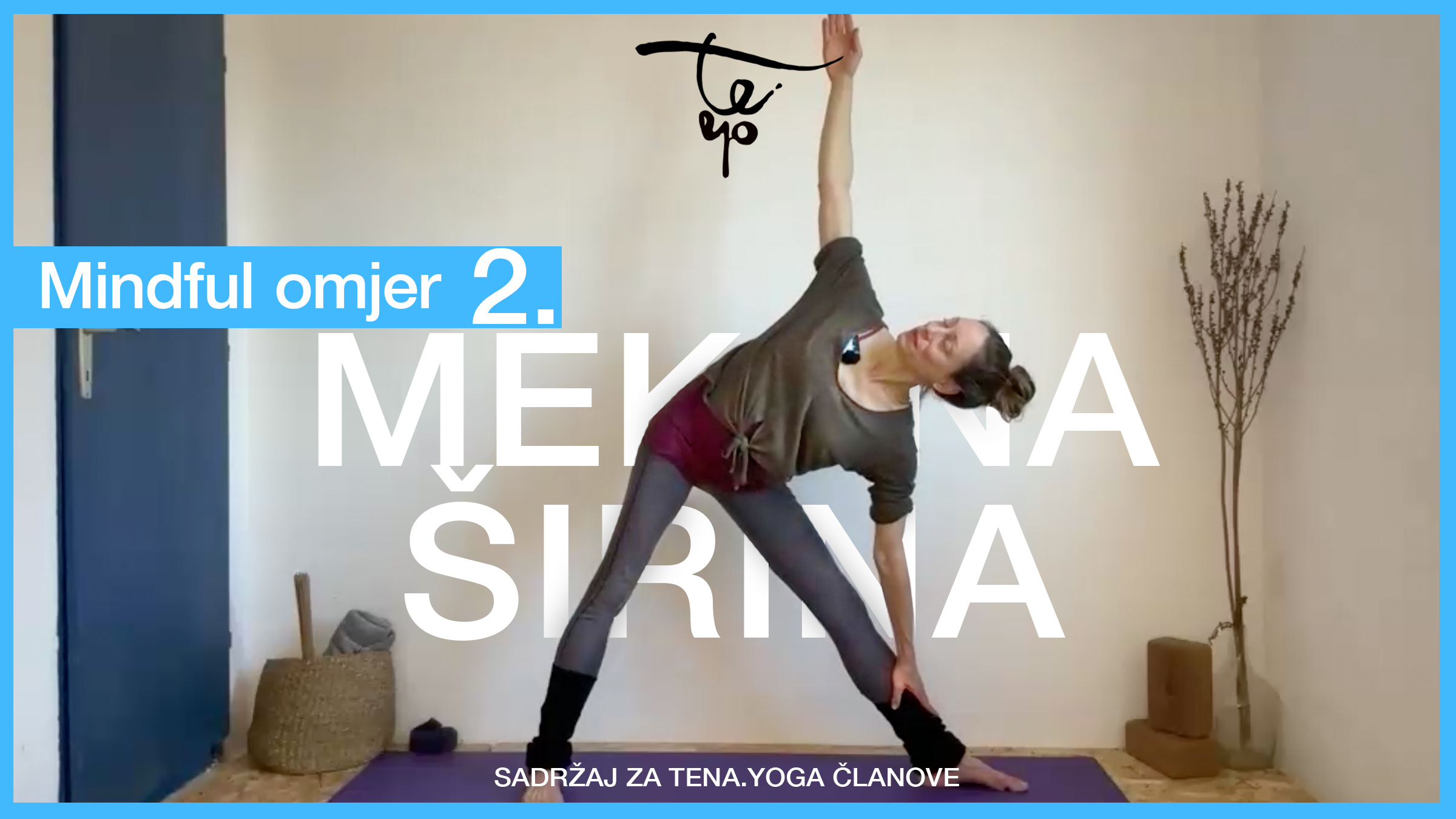
60 MIN
2. SOFT BREADTH
We continue awakening the line of strength through the body’s centre: the inner legs, pelvic floor, lower abdomen and armpits, then back again.
This inner strength is integrity that gives us uprightness without effort.
We begin with the legs, continue through Sun Salutations and practise several fundamental standing and floor asanas. We continually remember that, although we are doing “difficult” things such as standing calmly in the poses, we can still relax and feel soft breadth, a medium in which the upper body can move and align gently without rigidity. How we enter an asana matters because it changes the asana itself profoundly.
MINDFUL SLOW FLOW YOGA – 40 MIN
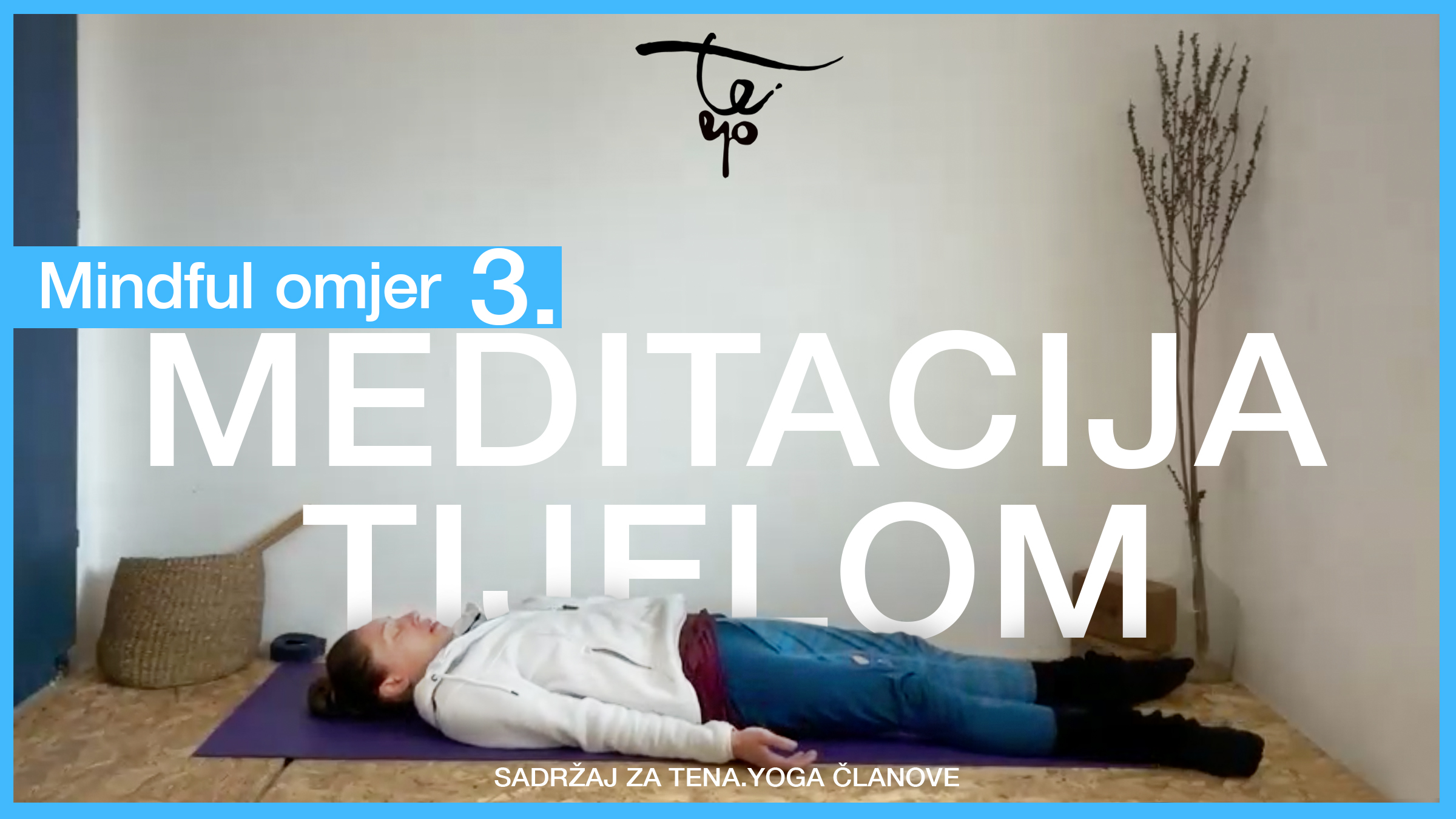
3. MEDITATION THROUGH THE BODY
The field of our meditation is the body, which we experience through physical sensations. Physical sensations are everything and anything perceived by any of the body’s senses. In fact, no part of life exists outside the field of bodily sensation. In this class, we return to pure sensation and direct experience without the mediation of thoughts and concepts about what we feel.
For a short time, we may switch off the front of the brain, the rational part, and relax into acting from the depth of the body, listening directly to what it says.
We practise a body scan meditation, then lie on the floor and perform only two asanas on two sides, observing the subtle flow and simplicity of physical sensations and relaxing into the body. The class is deeply relaxing and comfortable, so give yourself this time to reset.
40 MIN
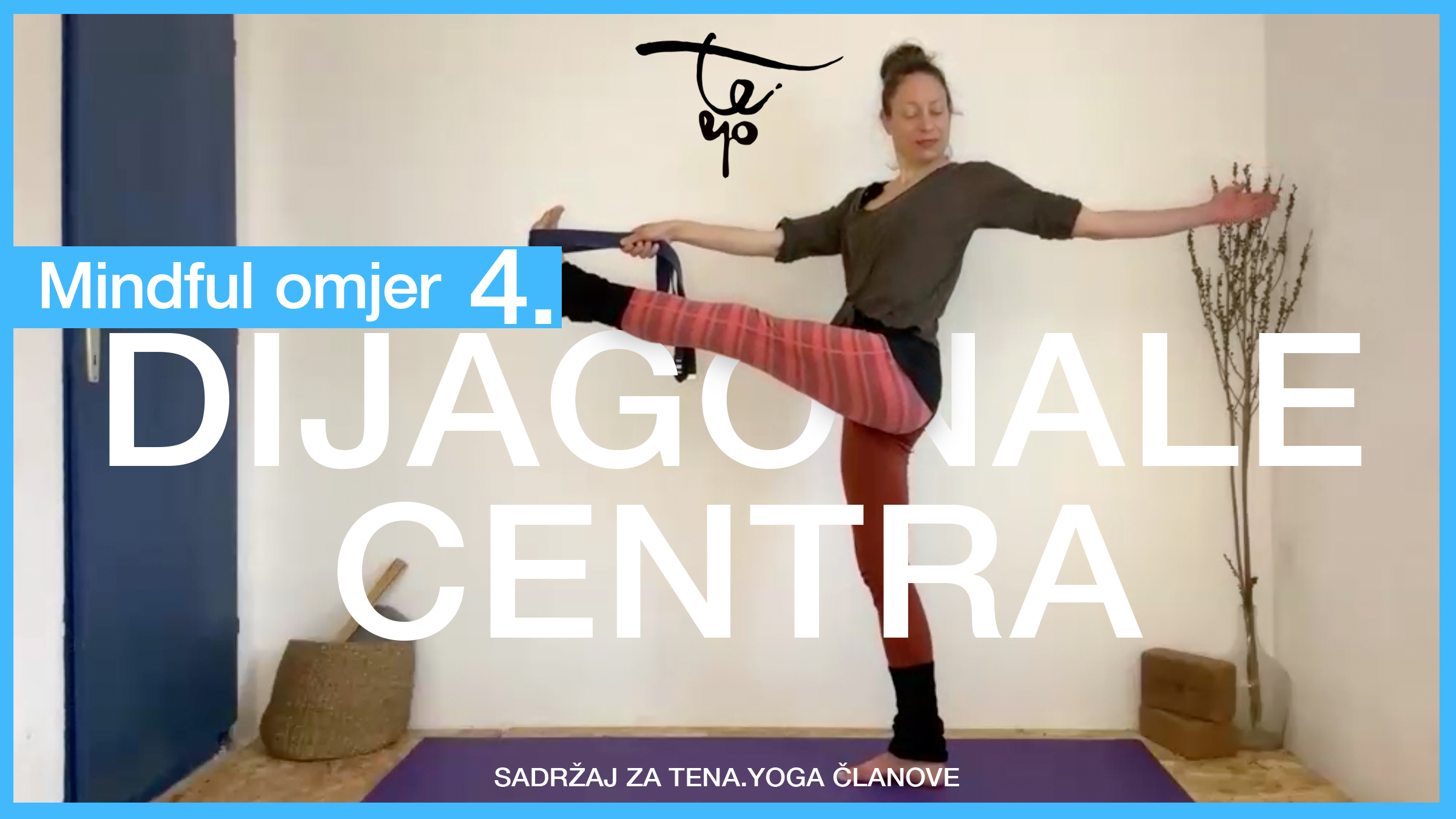
4. DIAGONALS OF THE CENTRE
We build integrity and strength from the core by connecting diagonals from the right armpit to the left thigh and vice versa and strengthening the oblique abdominal muscles. In this class, we find several poses that support this work while directing strength downwards towards the lower abdomen and pelvis. Full Ujjayi breath helps direct and kindle strength in the centre. Naturally, we apply this through Sun Salutations, several standing and seated asanas and the help of a yoga strap. Throughout, we remain cheerful with relaxed faces.
May the body hold this relaxed, alert and clear determination through which we carry intentions into action with softness and joy.
60 MIN
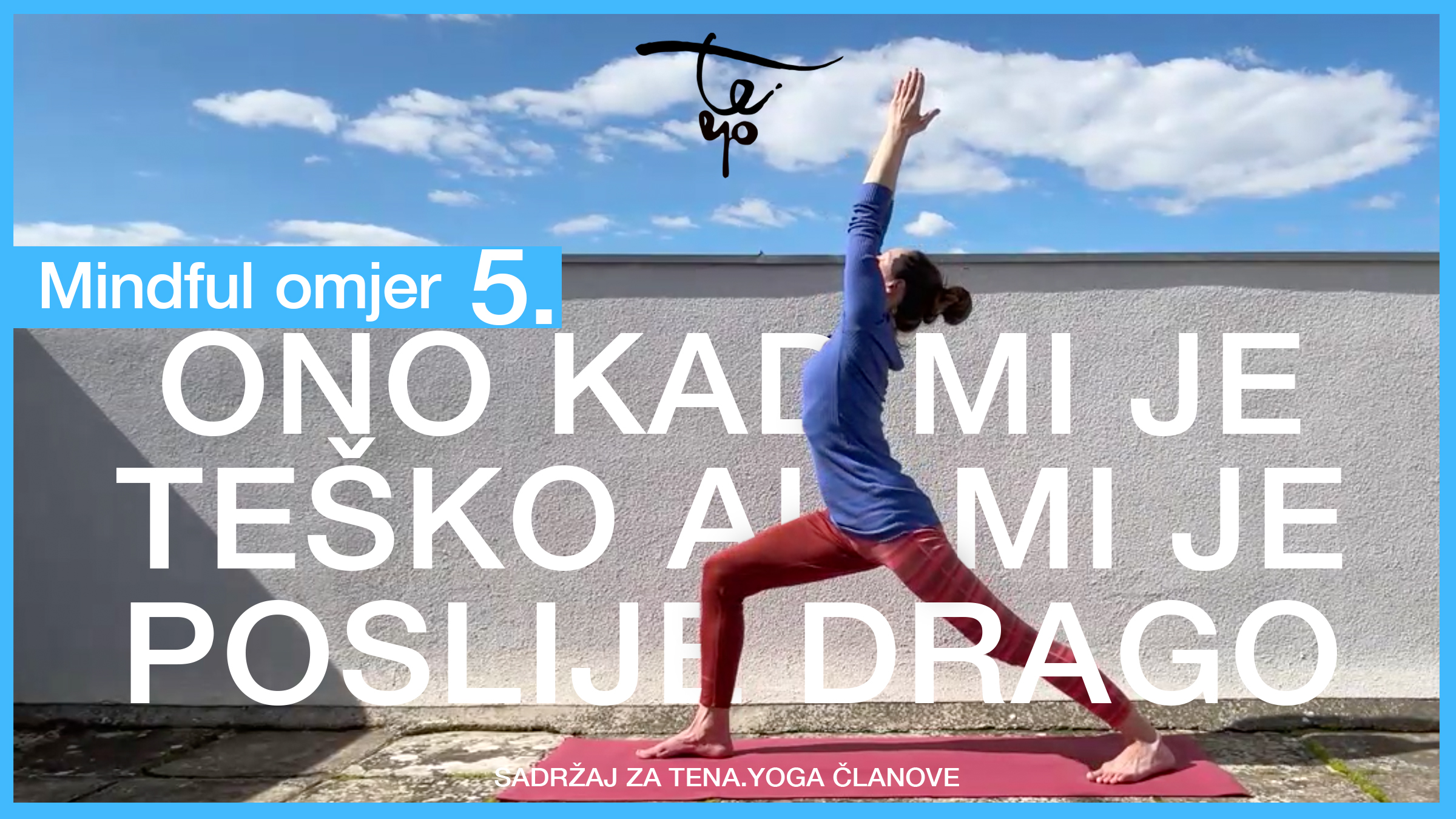
5. WHEN IT IS DIFFICULT BUT I AM GLAD AFTERWARDS
Yes, the title tells you everything. It is a little difficult because we strengthen the front body and abdomen, legs and pelvis. We do not take a long route; the class immediately begins with exercises connecting the abdomen, continues through Sun Salutations with variations for strong legs, several asanas balancing strength and relaxation and targeted abdominal work. I offer modifications for every more difficult element, and naturally, you can rest for a round and simply breathe. Connecting the front body happens on all fours and in Plank variations, which naturally tire the arms, so proceed gradually.
At the end, we rest thoroughly, relax and dissolve into the satisfaction of success after effort.
40 MIN
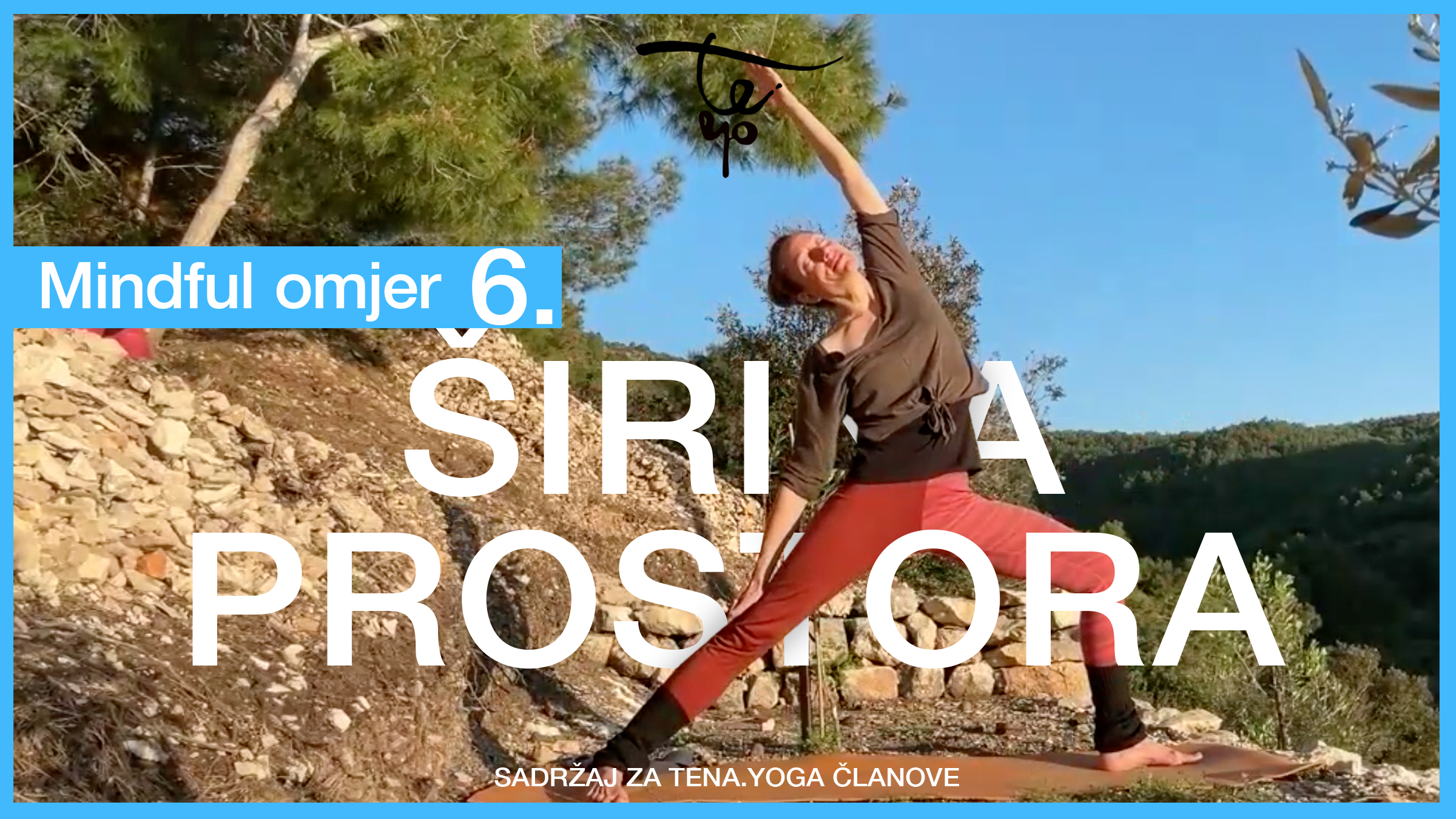
6. THE BREADTH OF SPACE
Throughout the class, we seek to feel the space around us with which we communicate continuously. We inhale it and expand into it, then exhale and offer what is within us. Although this is logical, experiencing movement in space this way reveals the truth of connection rather than separation. The asanas bring breadth and length to the body. Because we enter slowly and comfortably, we seek to stretch from deep inner lines rather than only superficially or through contraction.
An asana itself is a healthy balance of strength and stability with relaxation and ease, and how we enter the pose is essential.
60 MIN
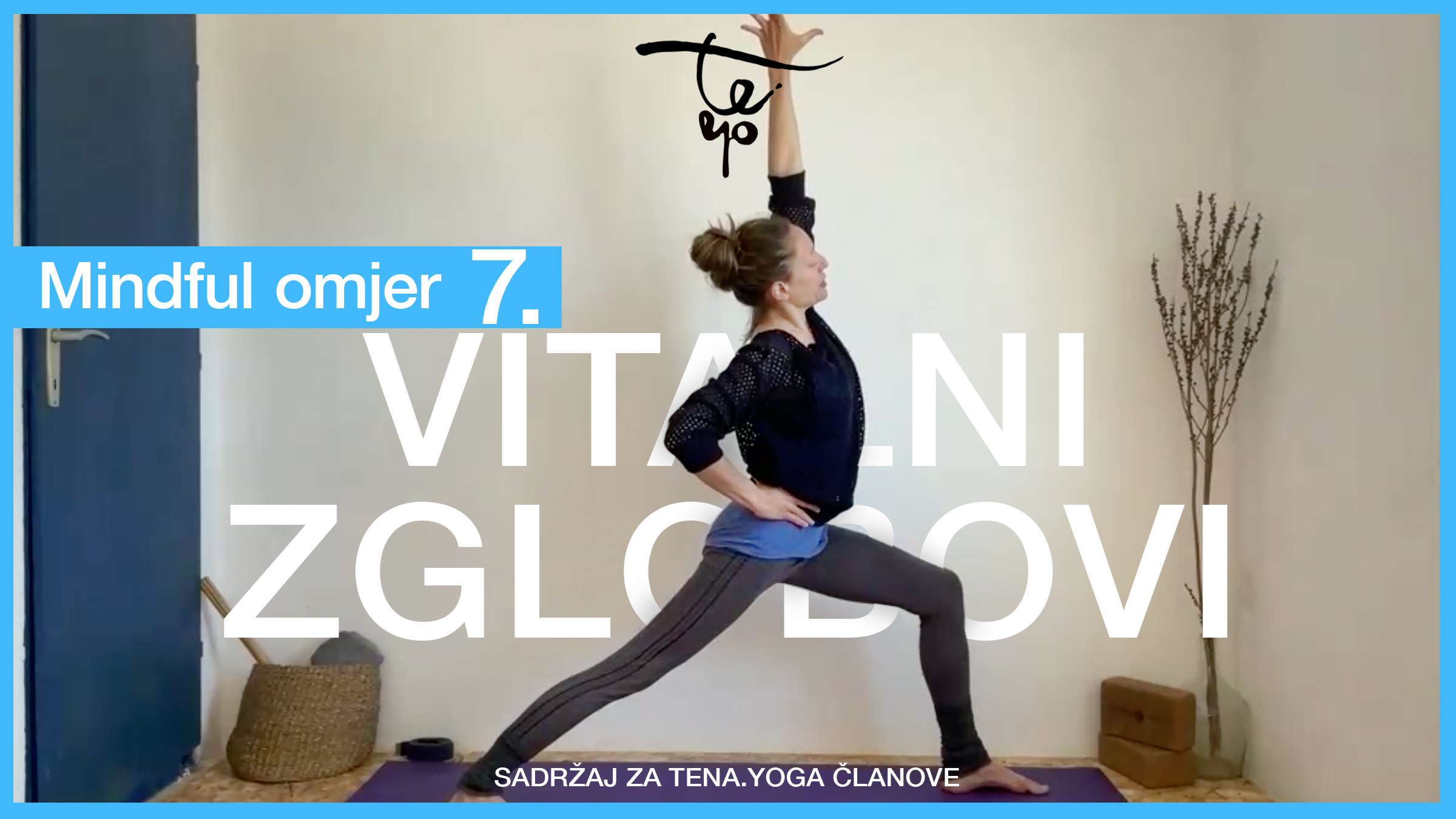
7. VITAL JOINTS
The theme of the class is joint mobility. We work through the joints in order. With each exercise, we place attention in the joint being moved so that we genuinely feel that part of the body and its movement from within. Mindfulness on a micro level. Naturally, once we begin Sun Salutations and asanas, the whole body moves and attention joins the whole in motion.
The joints are links through which the body changes direction, and when we connect the chain, the whole body moves dynamically as one.
At the end, we spend a little time on more intense hip opening, which is always useful.
40 MIN
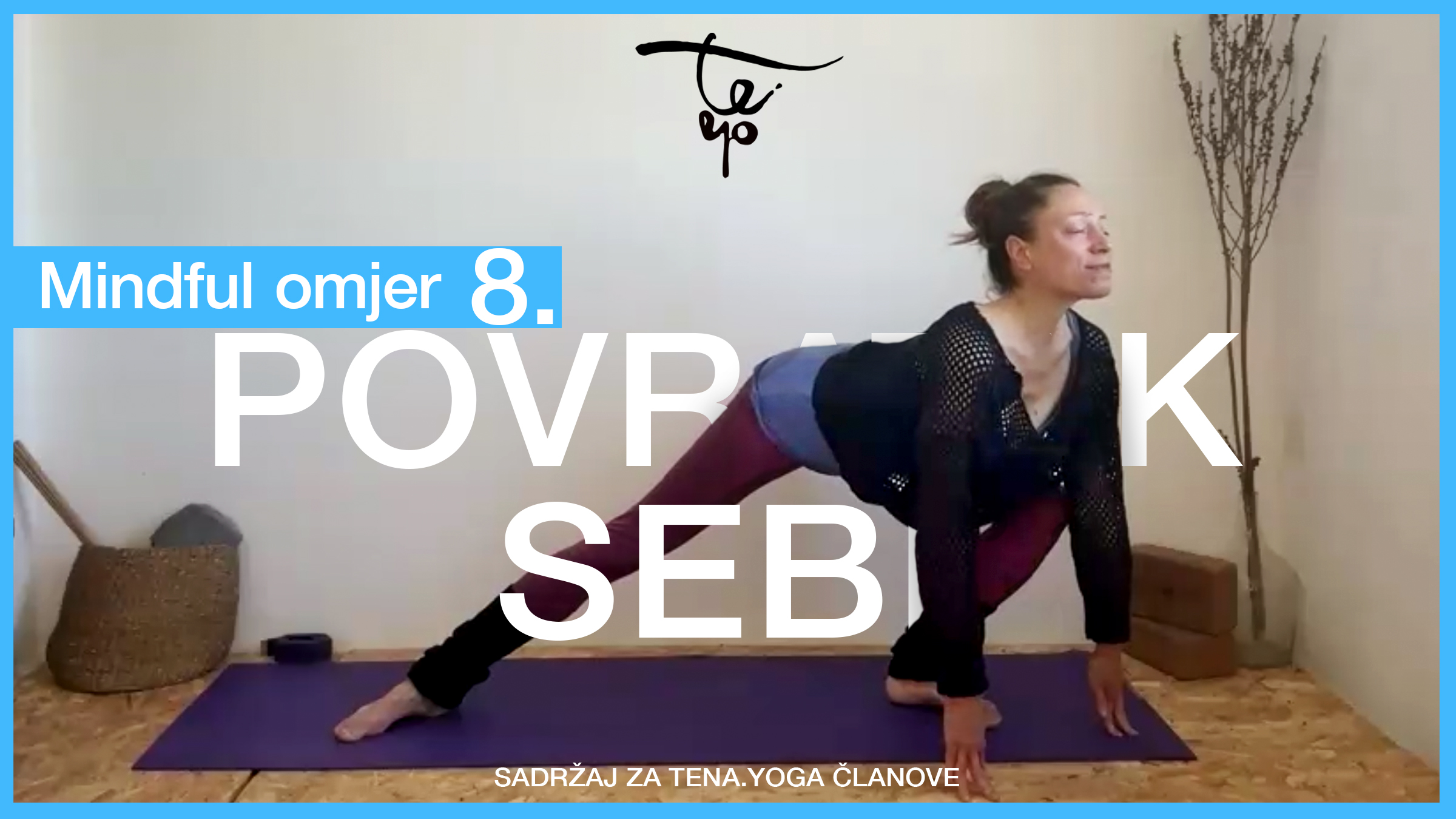
8. RETURNING TO MYSELF
We sit, feel the spine as our axis of the present moment and return to ourselves. We carry breath through the spine, inhaling towards the crown and exhaling towards the pelvis.
In this way, the inhalation creates space and brings new breadth through the spine and awareness, while the exhalation releases and relaxes tension.
We practise several poses in which the spine is inverted. Applying the same principle of breathing along the back further decompresses and creates space, allowing greater release. In several Warrior poses and High Lunges, we grow as tall as possible, while in several forward bends, we relax downwards.
60 MIN
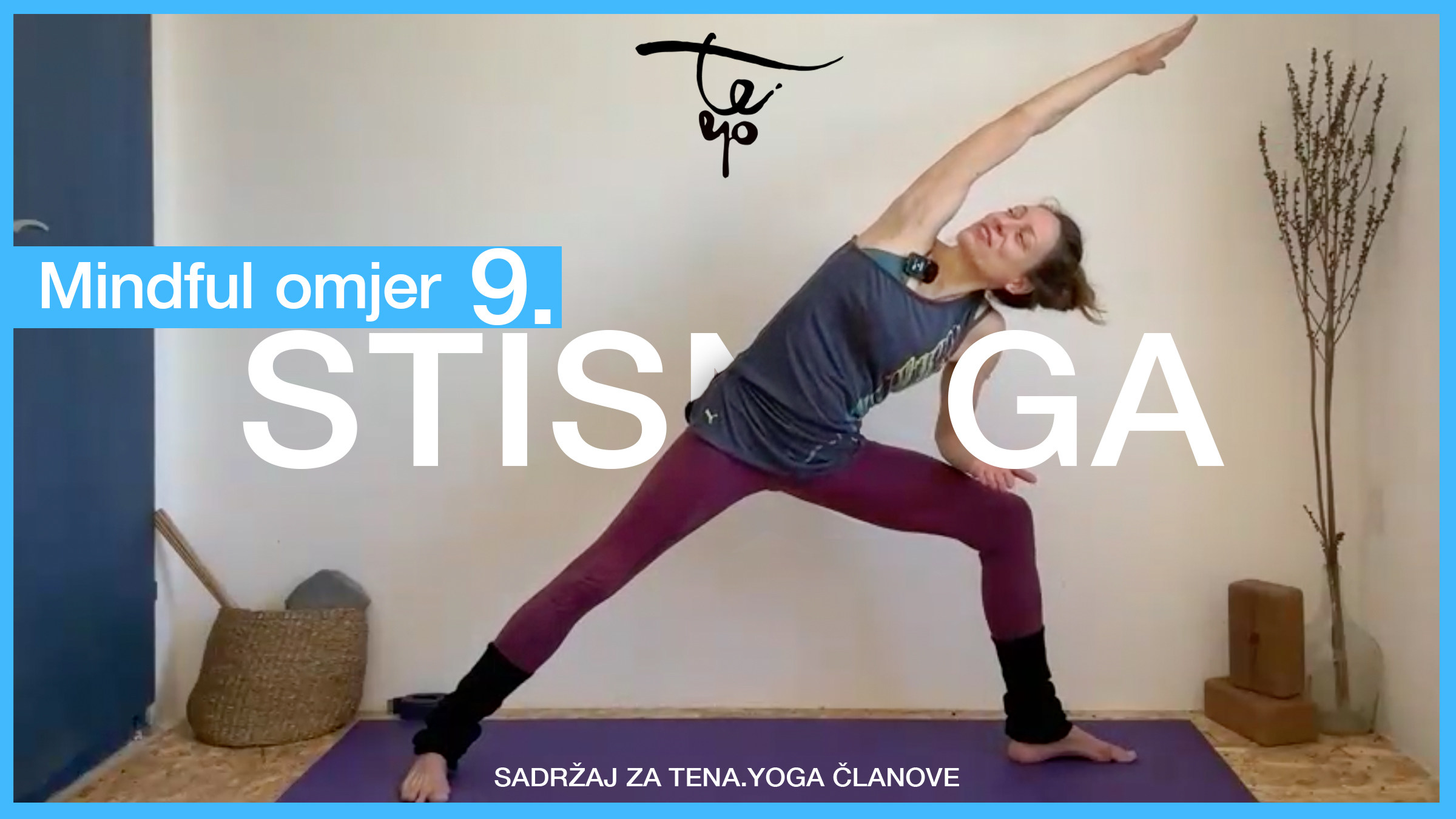
9. ENGAGE IT
In this class, we awaken strength rising from the thighs and pelvic floor into the lower abdomen. We begin by mobilising gently and discover how to engage the lower abdomen while keeping the upper abdomen and breath free. To feel this, we practise an exercise that awakens Uddiyana Bandha. Afterwards, within Sun Salutations, pulsing movements empty the lower abdomen on the exhalation. The asanas also focus on activating diagonal forces through the abdomen and the oblique muscles. At the end, we rest in several relaxing poses to restore space and ease within the body. The class is as dynamic as needed to kindle the fire of digestion and inner strength.
40 MIN
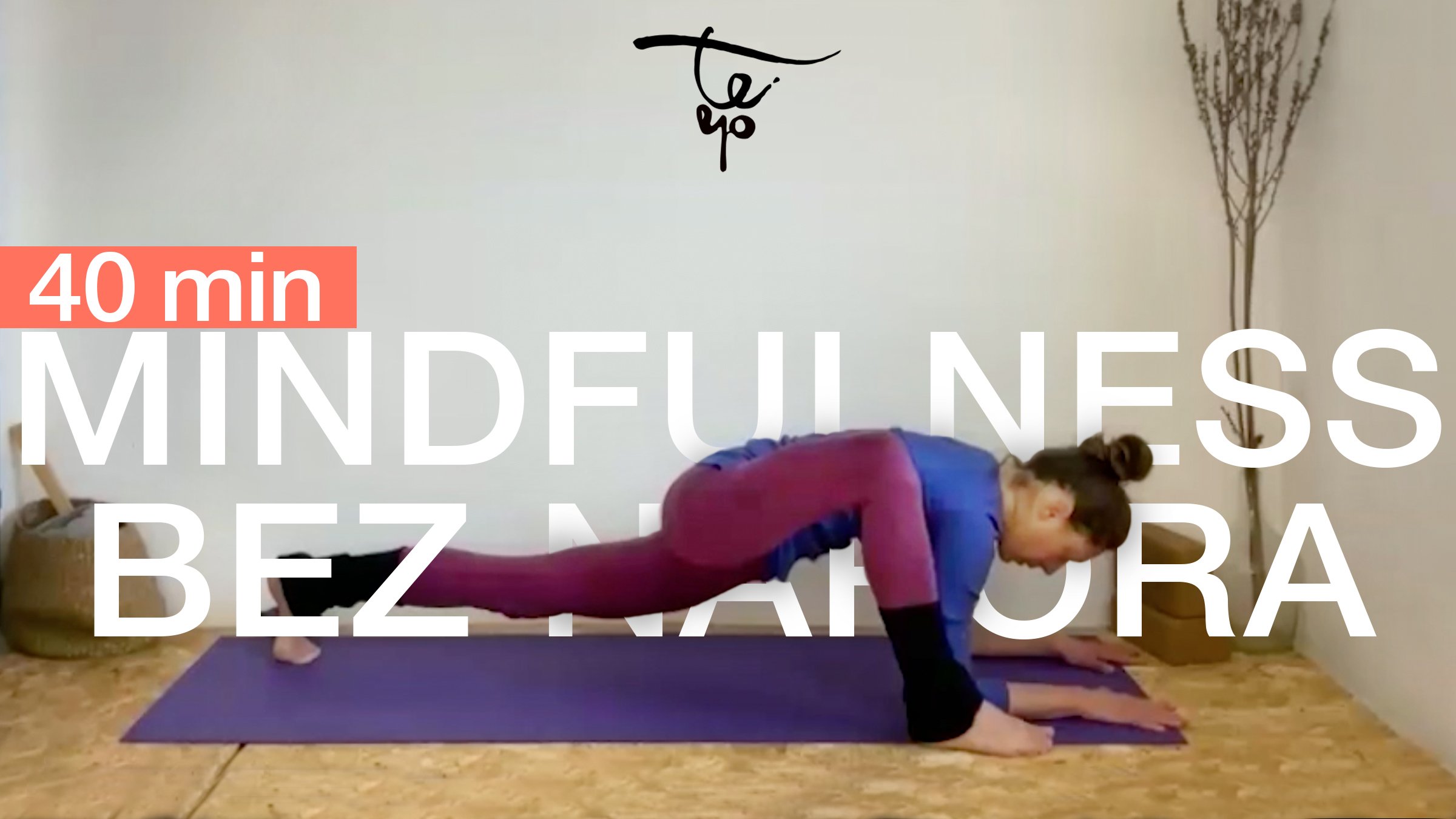
10. MINDFULNESS WITHOUT EFFORT
The class seeks to answer the question:
How do we awaken bodily awareness? How can the body be aware by itself and awaken inner body awareness?
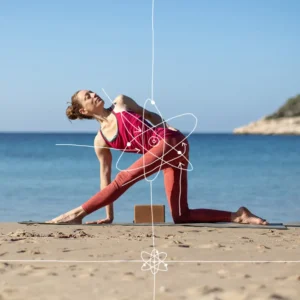
so that we have mindfulness without effort, remain present through the body, release through the body and have no struggle? How can we see more easily that we are fighting and striving, recognise that this is not the path and allow the body to release naturally? The class is unconventional but simple. It contains sets of rhythmic movements and awakens the hips in several directions until, towards the end, we remain in Lizard and finally release completely.
THE CLASS IS AVAILABLE ON YOUTUBE
60 MIN
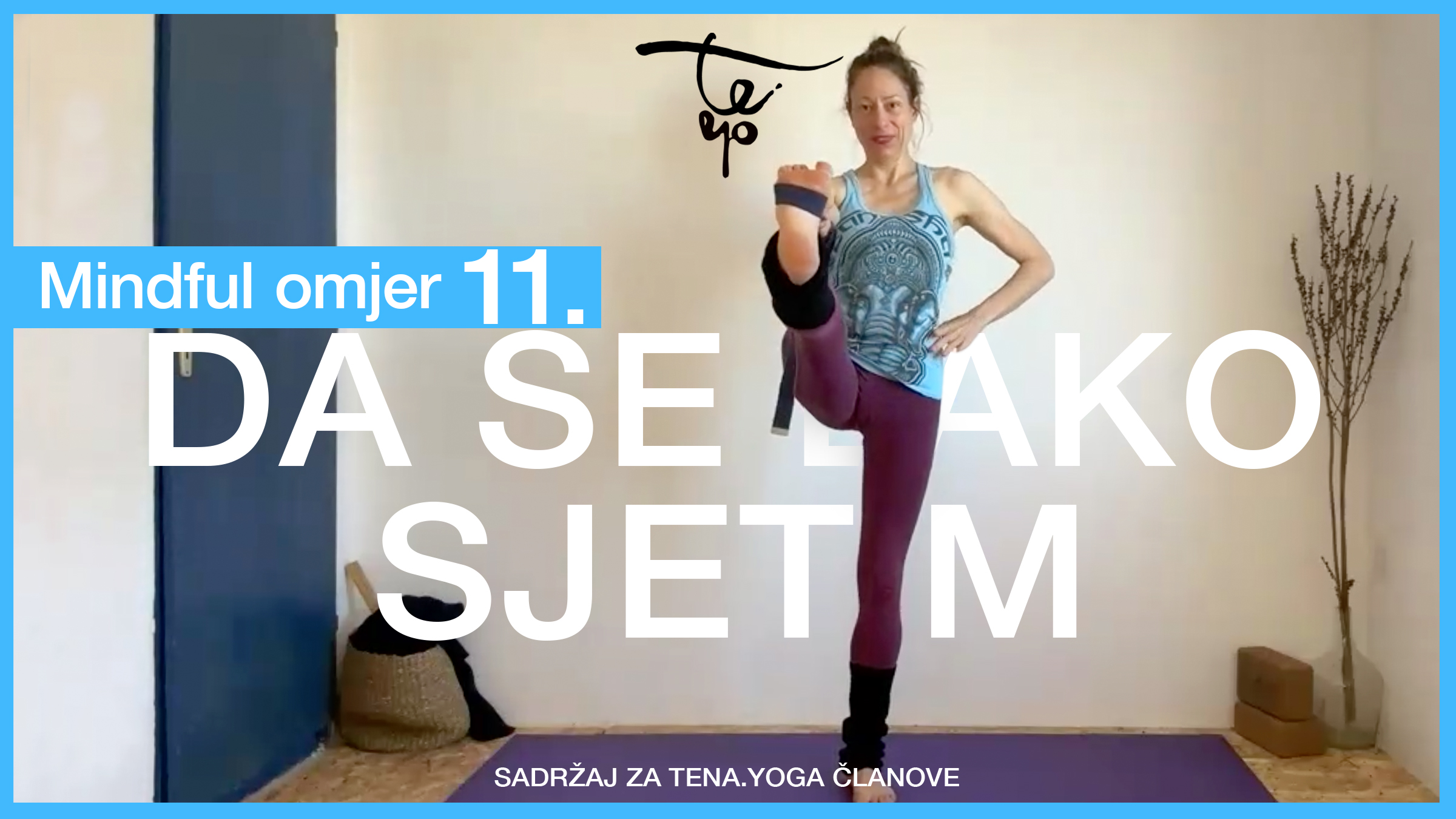
11. SO THAT I REMEMBER EASILY
…to be mindful. In this class integrating the month, we revisit the fundamental principles: strengthening the centre and inner connection, lengthening the spine as a channel of alertness and stability, then adding the ease and joy of being here and doing what we love, which supports mental and physical health. We warm up through several standing exercises, then practise sequences of Sun Salutations, fundamental standing asanas and a set of seated poses followed by Baddha Konasana . We remain seated calmly for three minutes to refine the meditation practised this month. On the floor, we complete the class with Bridges and abdominal strengthening.
Mindfulness course
AS PART OF THE MONTH’S THEME, WE MEDITATED TOGETHER EVERY WEDNESDAY DURING MINDFULNESS SESSIONS
Day 1
We begin with several practical details, including the schedule of our sessions and the meditation posture.
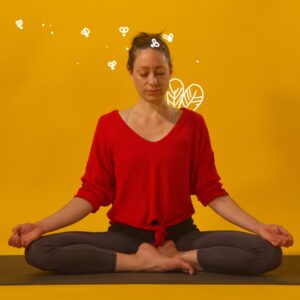
I then give a brief talk clarifying what meditation achieves and why we meditate, more precisely, what meditation is not. We do not meditate to eliminate dissatisfaction, pain and other states we dislike forever, but to learn to accept and live with them,Dukkha. Meditation is our training in space, non-reactivity, alertness and the relationship through which we remain here. We then practise a guided meditation, relax the body, expand space, work with breath and repeatedly remember our personal Dukkha and the intention behind meditation.
Day 2
We discuss alertness, the first step of mindfulness meditation. We explore awareness and how to practise it in formal meditation. It means establishing a calm, clear mind that knows where it is. The metaphor is a pebble dropped into a calm lake on a sunny day, where we can easily see concentric circles, our thoughts upon the still surface. When the mind is alert and calm, we see a thought easily and allow it to pass. We therefore train alertness by releasing a thought’s power as soon as we notice that it has carried us away and returning to where we “know where we are”, for example the breath or the breathing body.
We meditate together, briefly interrupt meditation with mindful movement and then practise another ten-minute meditation with the same instructions.
Day 3
During this session, a brief conversation explains compassion, how to practise and understand it. We first answer the question: what do we do when thoughts and sensations become so intense and convincing that they overwhelm us? After the conversation, we sit for ten minutes to awaken alertness, then mobilise gently through mindful movement of the neck and arms. After this brief movement, we return to silence and peace and finish by repeating compassionate phrases so that they resonate within us:
– May I befriend every energy that arises, enter it and offer it my hand.
– May I care for the present moment, learn to hold it, give it the right to be and let it become my teacher.
– May I learn to be the awareness that, in contact with suffering, remains a space of compassion and release.
– May I create a safe environment for energies to express themselves and allow change and natural flow to unfold.
Day 4
We complete the mindfulness course by considering how impersonal our experience is. What feels so real or appears to be under our influence is nature itself. We learn to accept this nature and always see it with fresh, non-judging eyes. Health is flow on the level of body, thoughts, emotions and states. Everything in nature moves towards flow and balance, including the body and mind. It is healthy to recognise that the body’s biological processes are part of nature and are not personal, including emotions, which are in one sense chemical reactions of the hormonal system. We relax into the recognition that everything is good as it is now and relate a little less personally to what we experience in meditation. For example, we let the body “grind through” a story fully. While under its influence, this becomes our object of meditation: we observe our relationship with it and offer space, peace and breadth. We need not observe the breath; we seek to observe what is here because the nervous system needs time to permeate an experience.
The mindfulness course is held regularly. Find the next date at: MINDFULNESS COURSE