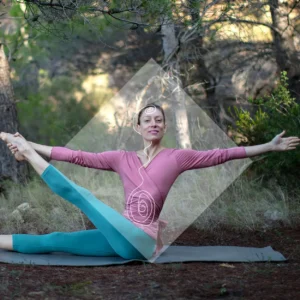
Along the Vagus Nerve
Number and Duration of Yoga Lessons:11 recordings • total 7 h 55 minIncludes: 75 min and 10 x 40 min
A month devoted to the vagus nerve and practices that tone it. We regulate the nervous system, release stress and tension and build emotional resilience through therapeutic yoga methods.
It's possible to order a single yoga lesson from this bundle.
The Tena Yoga Method
How I guide this package
Every class in this package has a clear intention. I guide you through the pose, attention, and breath so you understand what you are doing and find your own balance of strength, mobility, and ease.
More on the lessons
ANTISTRESS YOGA
We dedicate the month to the vagus nerve and practices that tone it. Activating and encouraging this nerve supports feelings of peace, safety, connection and meaning. Polyvagal therapy focuses on regulating the nervous system to improve emotional and physical wellbeing. We learn to regulate ourselves by becoming aware of the different nervous system states we pass through during a day and throughout life. The approach uses techniques such as breathing, meditation and strengthening social connection to help us return to a state of safety. We practise gentle, comfortable asanas and hold poses calmly for longer periods, accompanied by deep breath and a special focus on vagal toning techniques. We regulate the nervous system, release stress and tension and build greater overall resilience to pressure,stress resilience.). We unlock buried trauma and help the body allow it to pass through the system.
Mindful journal: What causes my stress? What reaches me and disturbs me deeply? When is my perception clouded by the trauma I carry, preventing me from seeing reality clearly?
Yoga therapy for:
- asanas for stretching
- relaxation and resetting
- regulating the nervous system through breath
- a positive stress response
- gentle yoga practice
- yoga for mental health
- mindful yoga
- somatic meditation
- vagal toning exercises
- polyvagal therapy
- positive affirmations
CONTENTS OF THE RECORDING PACKAGE
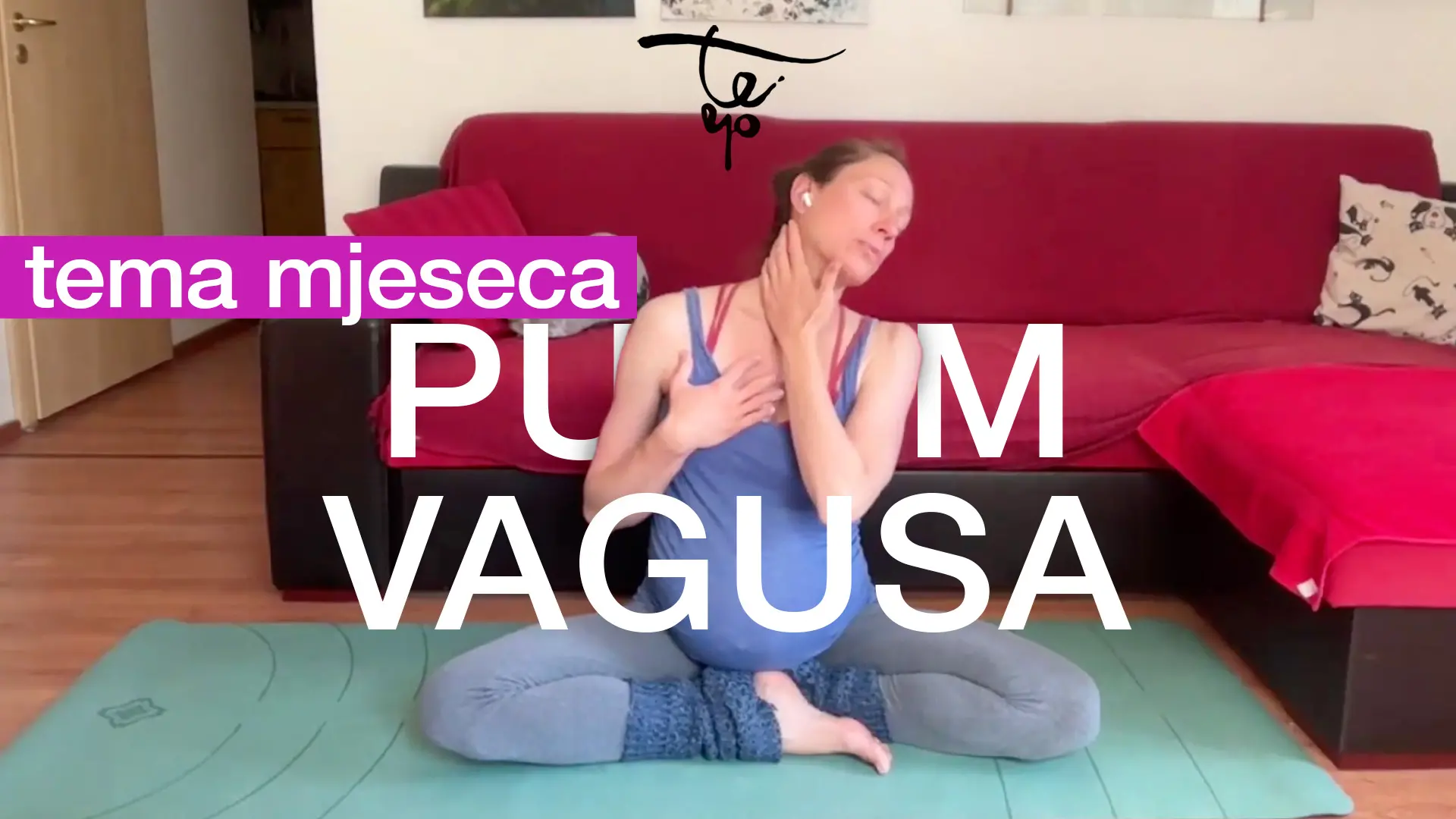
INTRODUCTORY TALK AND YOGA CLASS ON THE MONTH’S THEME – 75 MIN
ALONG THE VAGUS NERVE
The more I researched this theme, the more fascinating it became. I prepared an extensive presentation about the vagus nerve and later summarised it in the blog article THE IMPORTANCE OF THE VAGUS NERVE. The introductory talk spends considerable time on the fundamentals. I hope it offers some perspective on the importance of these practices and my idea that we follow our vagus, literally and metaphorically.
We explore the basics: what the vagus nerve is, what it does in the body, how we tone it and how we approach it through yoga therapy. We have time to cover only several vagal toning techniques, while systematically working through the rest during the month: yogic breathing, singing and humming, tapping, self-massage and face yoga, as well as asanas and yoga flows into which we weave all these elements. :)
Mindful journal: At the beginning of the month, we set an intention. First, we calmly find heartfelt gratitude, one that needs no description or justification but exists as the energy of gratitude itself. From gratitude, choose one clear thing, an aspect of yourself, a relationship or a problem, to which you want to devote your peace. State it clearly, briefly and positively. You can also write it down to make it even clearer. Stimulating the vagus is a path of flow and change. We shape our intention as something that wants to flow. We can allow this precisely because we see it from another angle and stop identifying with its negative aspect.
40 MIN
1. FIND THE RHYTHM
We begin our month of antistress yoga with an introduction that brings together several practices we will repeat and develop during the classes ahead.
First, we sway while standing and rock in a way that brings awareness to movement from the pelvis and sacrum, the lower end of the central nervous system, to the back of the skull, where it begins. We allow this spontaneous wave to mobilise everything and immerse ourselves in the flowing current within while awakening the breath.
We then sit, massage the face and neck and tap the collarbones and chest. We introduce inhalations and exhalations of equal length, four counts in and four out. You may also use three counts; the important thing is to avoid struggle and strain. This rhythm guides movement throughout the class.
Everything that follows consists of rhythmic movements such as Cat-Cow, pelvic pulses, pulsing between a straight back and relaxation into a forward bend, and similar movements repeated in cycles.
Our intention is to maintain balanced inhalation and exhalation throughout the class and create deep inner balance.
We take extra time to devote attention to breath and these vagal practices, so give yourself enough time for the class too. :)
Mindful journal: May I allow what repeats and troubles me to flow through. May it pass by itself because, through these practices, I bring softness and flow to the current within the body.
40 MIN
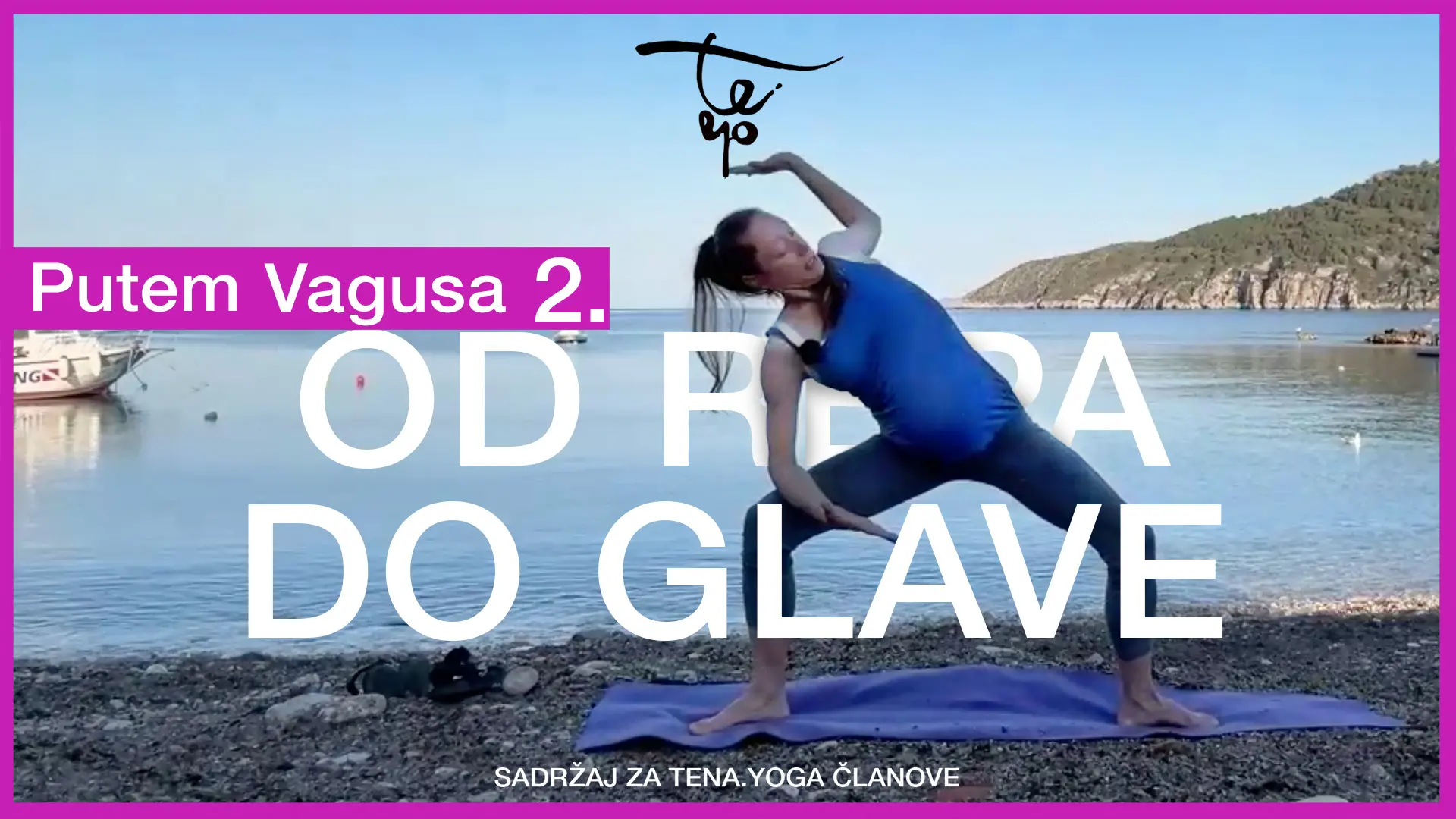
2. FROM TAIL TO HEAD
We continue in the tone established during the previous class. First, we awaken the whole body by swaying while standing, then massage the face, tap, balance the rhythm of inhalation and exhalation and continue with movements that carry this rhythm through waves of the body.
Several times, we seek a wave travelling from the pelvis to the skull, as though the pelvis initiates and the rest of the body follows. We move rhythmically and connect everything with this swaying.
Fluid movement helps breath glide, and vice versa; they work as a pair. We do not move automatically but from feeling and a desire to express the movement.
Through this pathway, we immerse ourselves within and gradually release rational control. The path is to return to the body, which knows what it needs and where energy changes. Returning to pure feeling is essential for opening the door to genuine release.
Mindful journal: Describe the path you have travelled so far. What positive change can you already see, and what has already shifted? Take refuge in that change and release the fear that nothing else will change.
MINDFUL SLOW FLOW CLASS – 40 MIN
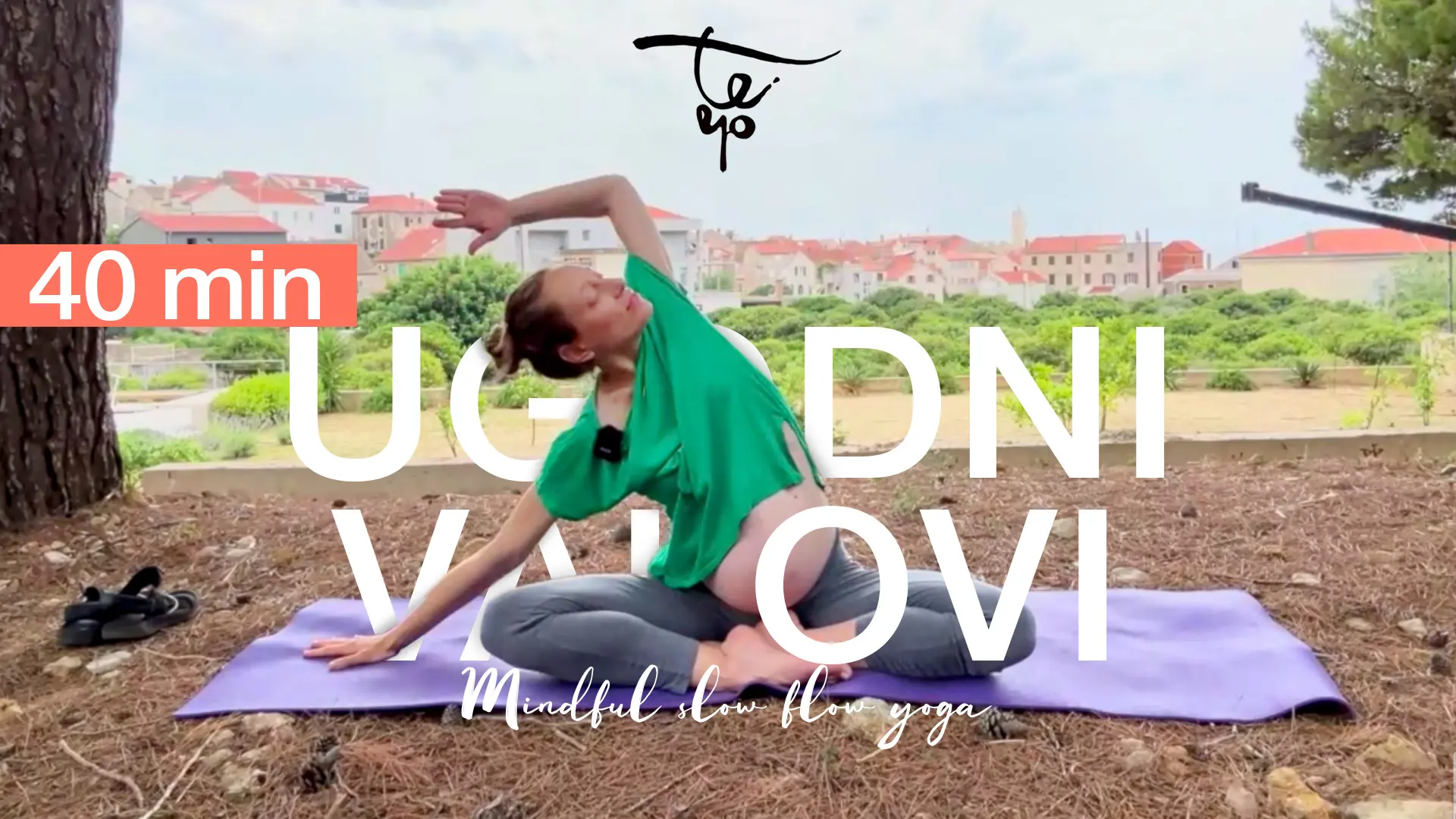
3. COMFORTABLE WAVES
What an excellent combination: Mindful Slow Flow Yoga and vagal toning. This month’s theme and techniques fit perfectly with this restorative style of yoga and its aim of complete, deep relaxation.
We therefore take time to explore in more detail everything introduced at the beginning: massage, tapping, humming, balancing the breath and rhythmic movement with gliding breath.
Everything is simple and accessible. I alternate practices so that we do not sit or massage for too long at once and tire the arms. A cushion to sit upon will still be helpful.
We also mobilise the whole body with Cat-Cow waves several times. Enjoy the class; it is the weekend, so take time to feel the difference and allow relaxation to penetrate deeply.
Mindful journal: Notice how much the mind can settle within the body and how often it wanders. Wandering is not a problem. We are conditioned by memories, emotions and associations that arise when the mind contacts something subtly felt in the body and creates an image or thought from it. The problem comes when we fail to recognise this and become carried away by the story. An association or memory is one thing; creating a new, nonexistent story from it is another. Can you distinguish the two? This is how we meditate.
Remaining only within the moving body gives the mind rest and the body nourishment.
40 MIN
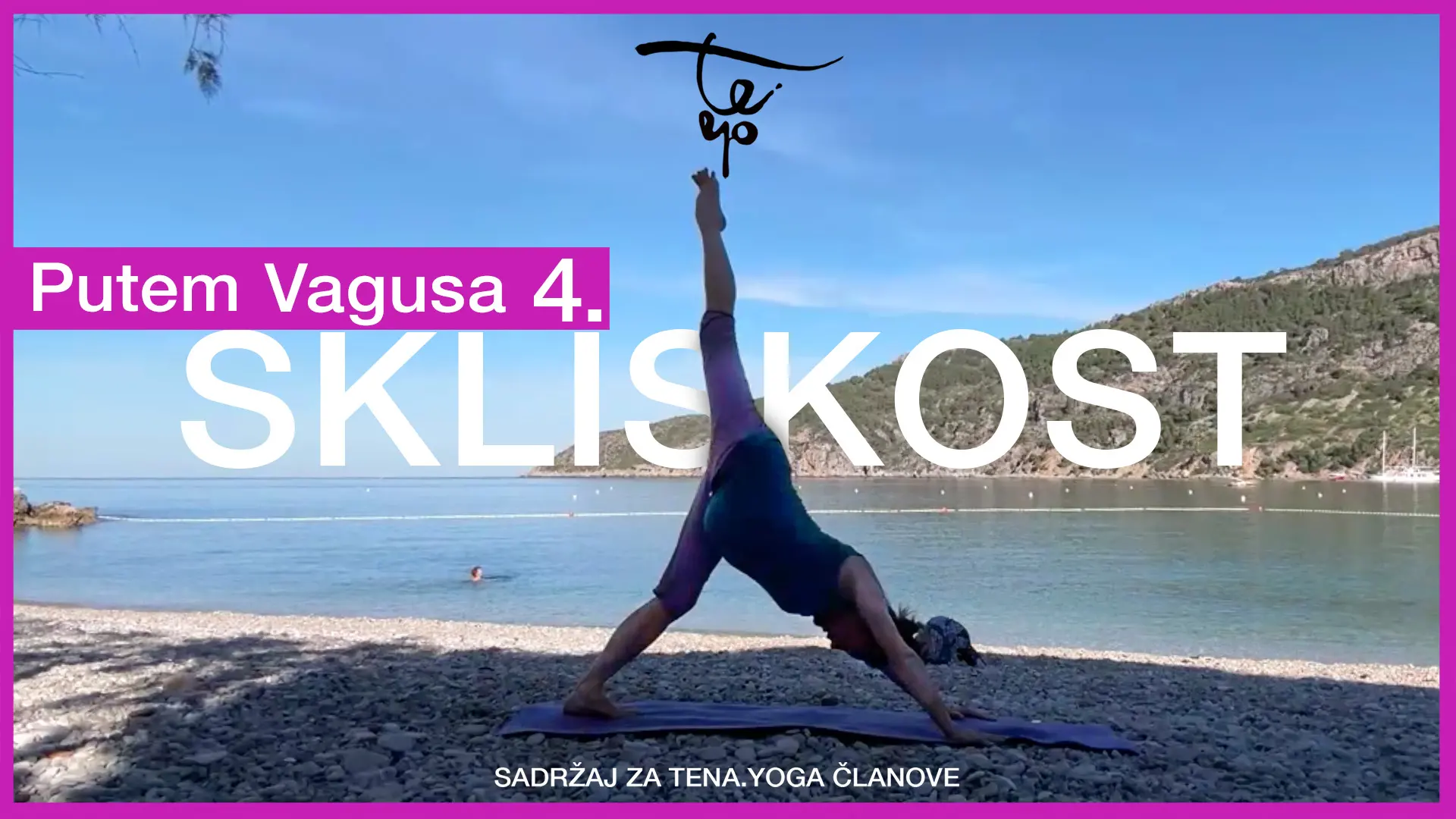
4. FLUIDITY
We begin with gentle mobility and balance the breath, again finding the same rhythm of inhalation and exhalation before connecting movement with gliding breath.
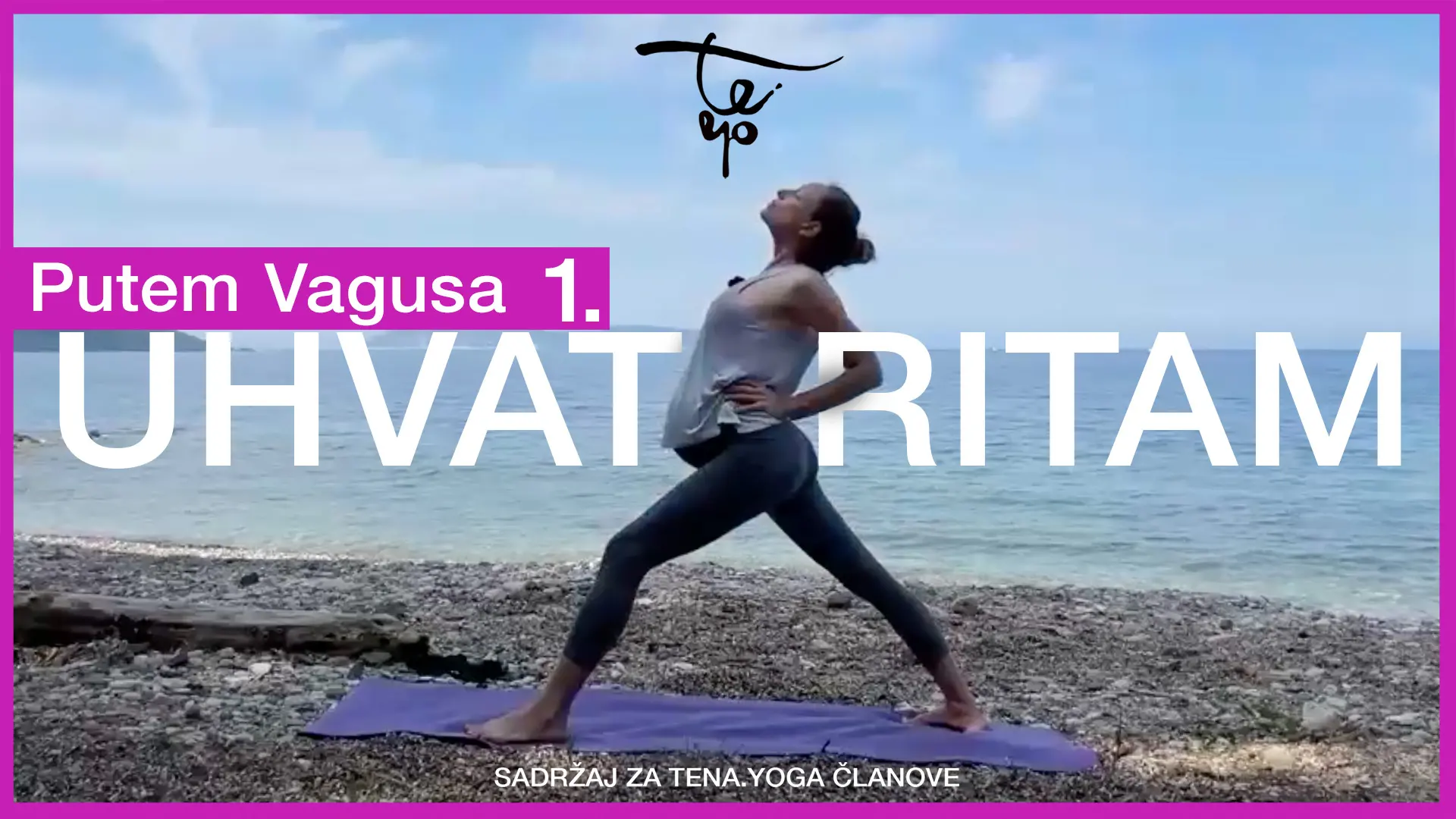
Sun Salutations awaken fluidity beneath the skin and immerse the system in a relaxing rhythm. :)
Today, we emphasise playing with one leg in the air. Through this preparation, we enter Sun Salutations. Raising one leg in Downward Dog extends the inversion and opens more space within the body and its diagonals beneath the skin. Find the angle and direction that opens you most effectively.
We make waves with the pelvis that mobilise the whole length of the spine and abdominal cavity, something the vagus appreciates greatly.
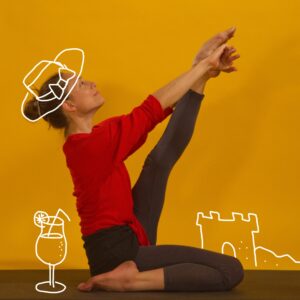
At the end, we relax in Pigeon and complete the practice with dry face washing and breathing. Lie in Shavasana afterwards; I say goodbye there because the beach was already becoming busy.
Mindful journal: Letting go is a bodily category; we need to feel it. Feel change flowing through you. Take the intention set at the beginning of the month and feel that it is not rigid or unchangeable. Feel through the body that change and surrender flow through this aspect of your life.
40 MIN
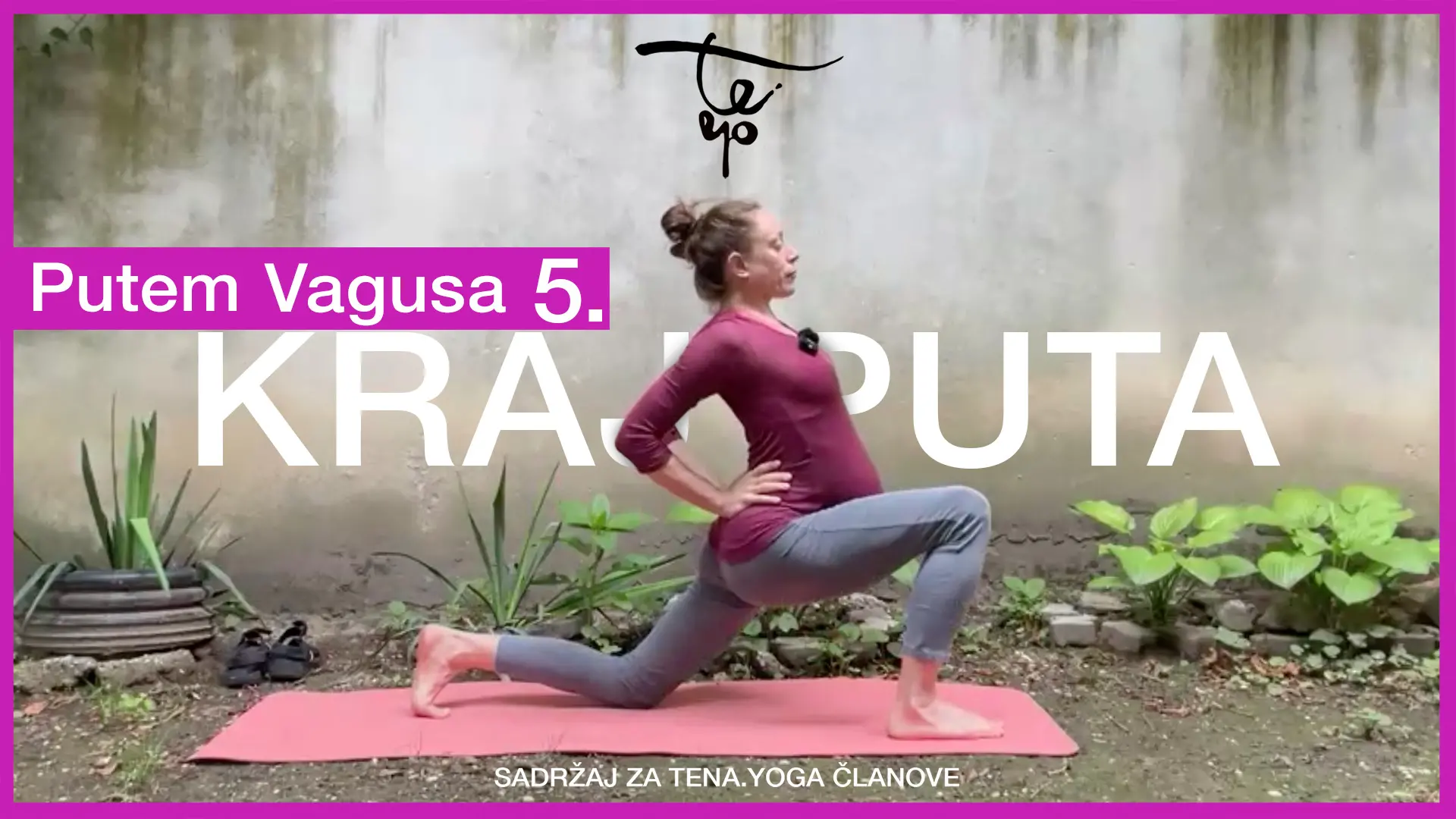
5. THE END OF THE PATH
Or, by its full title: “Even the wanderer reaches the end of the path.”.. :)
Today, we attend to where the vagus ends, in the organs and abdominal cavity. Mobilising the abdomen stimulates activity and improves the efficiency and quantity of information travelling along this nervous system pathway. This is not dynamic movement like detox yoga, but gentle pulsing in which the abdomen contracts and activates on the exhalation. Breath and movement cooperate to create fullness and massage the abdomen.
We begin pulsing in Cat-Cow variations and continue through Sun Salutations following the same principle. We pulse the leg into the air and towards the forehead, using full breathing connected with active abdominal contraction.
The entire class flows as one pulsing current, with only brief holds in several forward bends.
Immerse yourself in your inner depth, literally directing attention and breath into and out of the abdomen.
Mindful journal: Catch yourself believing a particular belief and write it down. Is it truly accurate? Is this the correct and only picture of you? Bring your negative beliefs into the light.
MINDFUL SLOW FLOW CLASS – 40 MIN
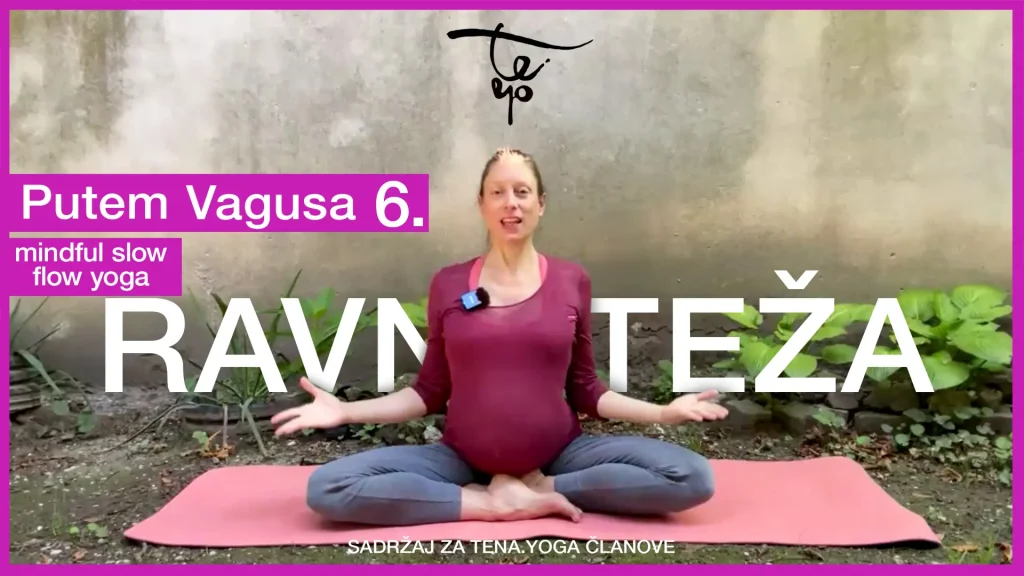
6. BALANCE
Again, our ideal combination of Mindful Slow Flow and the vagus nerve. Today, we alternate several seated vagal practices, including regulated breathing, massage and tapping, with simple rhythmic movements.
We practise balanced breathing for four counts in and four out and then repeat it through alternating nostrils, Nadi Shodhana. We close one nostril and inhale slowly through the other, then reverse, attending to the diaphragm from which the movement arises. We seek a breath that glides without effort and allows its rhythm to bring order to the mind.
Naturally, we look for comfortable movements that help us relax and sink within. During spinal pulses, we can move more slowly than one breath in each direction. The important thing is to extend the inhalation through an open throat when extending the neck.
Arrange yourself in the several held poses so that you can relax. Place a cushion beneath the shoulder if helpful and certainly beneath the head.
This class can remind you of the value of breathwork and renew a yogic breathing practice that you can bring into daily life. I hope you take time to feel its great value. :)
Mindful journal: Remember the affirmation from the beginning of the month, place it in the heart, feel the positive direction in which you are moving and remain with it in pure feeling.
40 MIN
7. DEEP MASSAGE
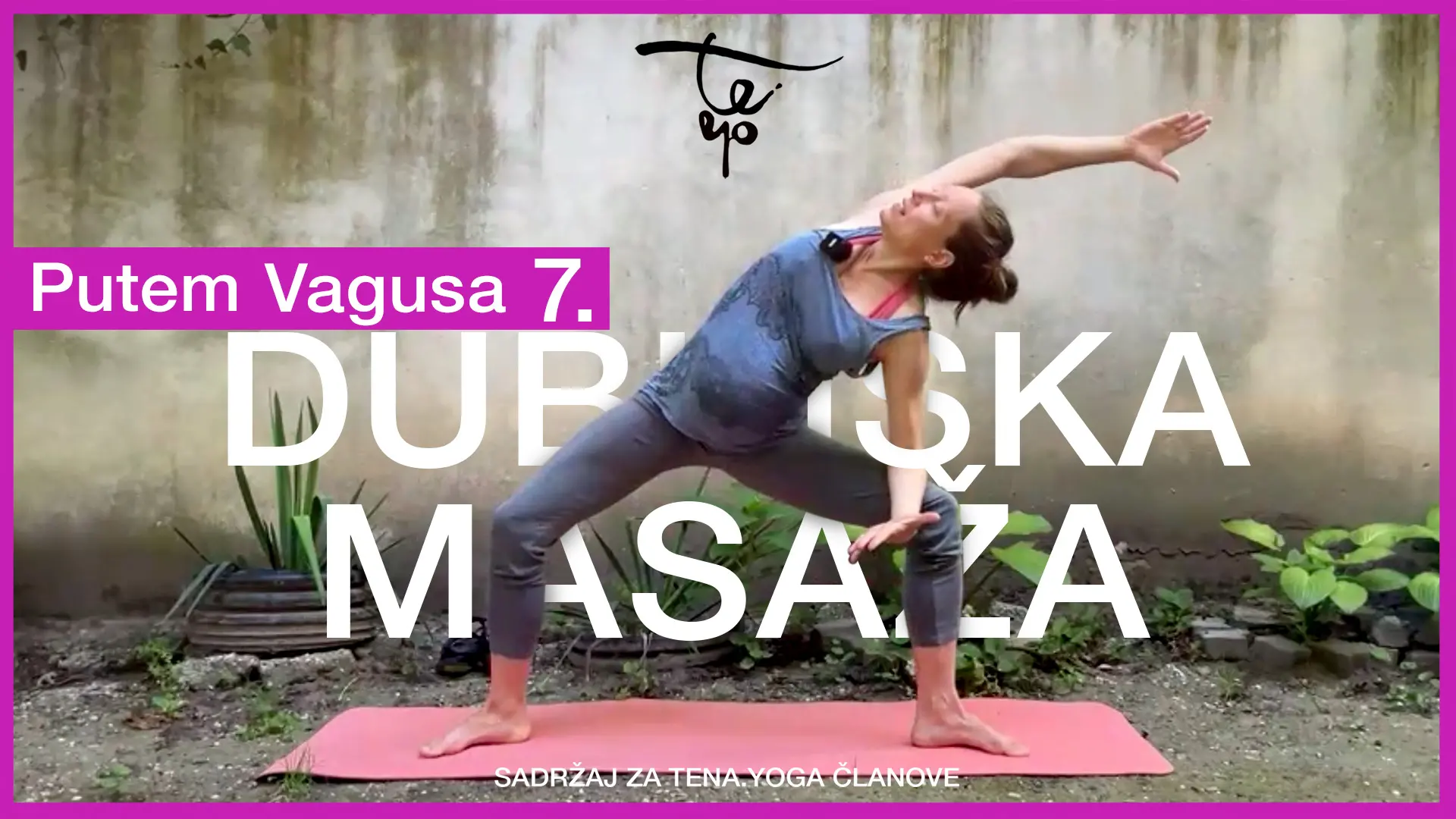
We continue exploring how movement through the abdomen can enter deeply, stimulate the vagus and massage the abdomen through breath and movement. Today, we primarily use Cat-Cow movements from standing bases that activate the glutes more strongly, connecting that strength with the abdomen. We also create massage through rotational pulses and within Sun Salutations.
We begin standing to set everything in motion immediately and awaken the diaphragm. As it becomes more effective, the rest gradually begins to awaken. :)
We move through pulsing Sun Salutations that emphasise squeezing the abdomen, with several asanas along the way.
As we repeat these waves with abdominal activation, we enter ever more deeply and strengthen the feeling of being in the present moment within the body.
At the end, we complete the class with facial massage, tapping and breathing. Enjoy and engage a little more muscular strength to create that healthy feeling of change and flow through the nervous system and the whole body.
Mindful journal: May we live our greatest value.
40 MIN
8. FROM THE HEART THROUGH THE NECK
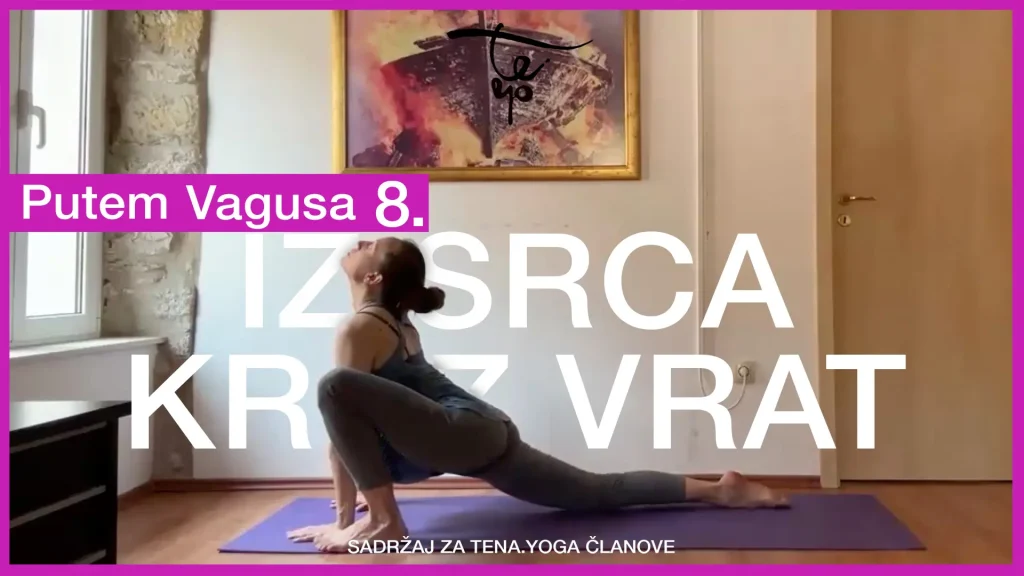
We continue slowly and gently, precisely what is suitable. We begin by mobilising the shoulders, neck and head. Within this swaying, we already relax into the body and calm breathing. We use dry face washing and very gentle touch to awaken the face. We then balance the breath into a four-count rhythm and carry it onwards through wave-like movements of the spine. We practise several sets of waves from different bases, but everything remains comfortable and gentle.
At the end, we open the neck space a little more by moving the shoulder backwards and swaying the head, then sit and complete four cycles of Nadi Shodhana Pranayama. We tap a little more, remain in meditation with presence in the body and dissolve into Shavasana.. :)
The class is called “From the Heart Through the Neck” because I repeatedly remind you of this pathway when opening on the inhalation, as though breath sends energy from the heart through the neck precisely as this area opens, for example in Cat-Cow and similar extensions.
Mindful journal: How gentle are you truly with yourself, and how good a friend are you to everything happening in your home, the body? What does it mean to befriend everything occurring within?
40 MIN
9. LIKE A TURTLE
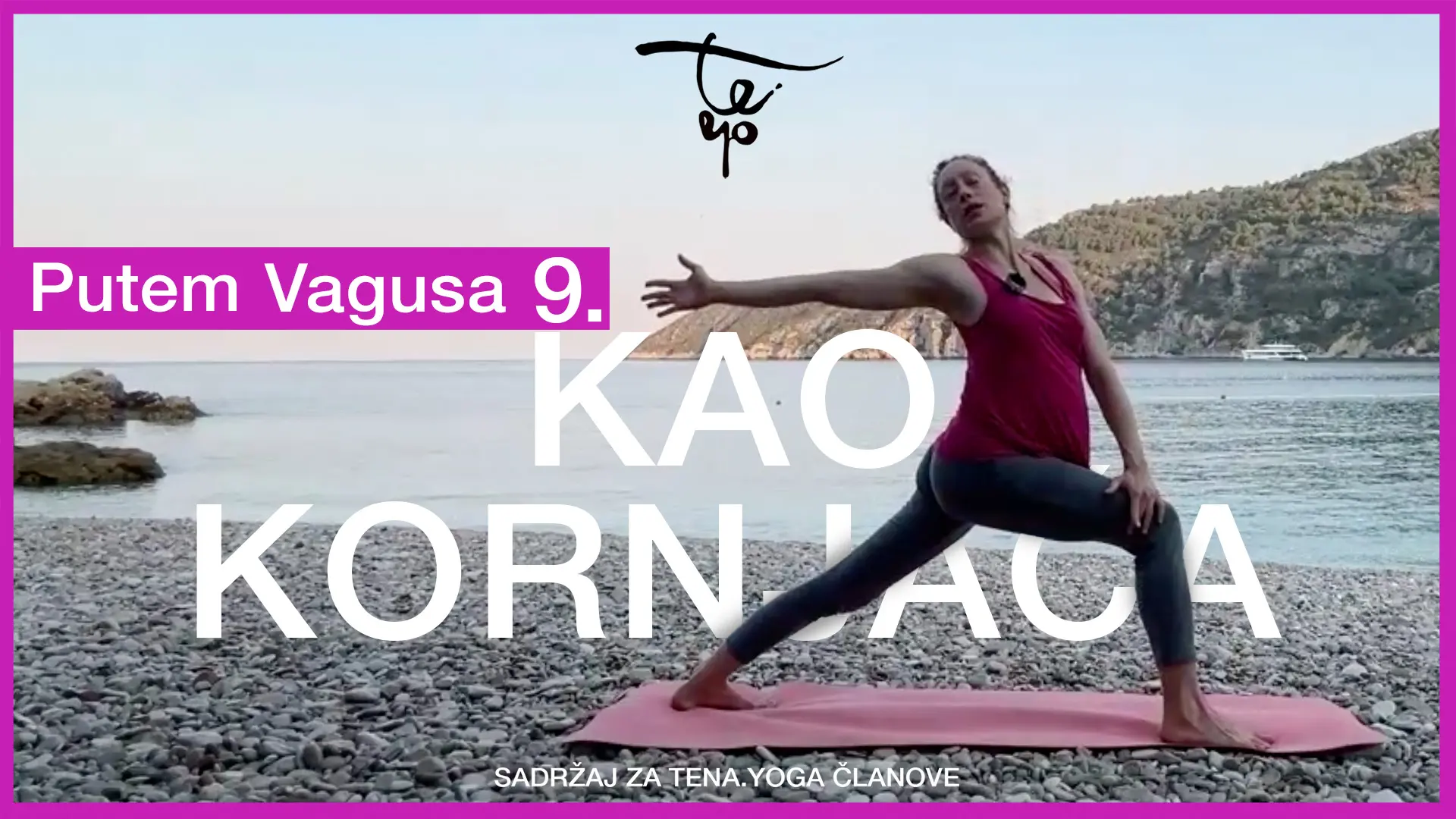
We lengthen the neck like a turtle extending from its shell. In today’s class, we create space in the neck and its meeting point with the shoulders while opening the chest around the collarbones.
We tap briefly, balance the breath into a four-four rhythm and continue with wave-like warm-up movements. From there, we enter modified Sun Salutations beginning in Downward Dog. These transitions mobilise the whole back and hips while emphasising movement extending through the neck and opening the throat with a smile. Throughout the class, we repeat an arm movement from several bases that opens the shoulder and chest like a small upper-back twist.
Altogether, we awaken Prana and the flow of breath so that a beautiful vibration of energy can be felt after class. :)
Mindful journal: Can you notice how you feel after practice and compare it with how you felt before a satisfying yoga session? We seek to see how subjective and conditioned our experience is, much less “this is me” or “this is my fault” than we believe when feeling low. We can trust this only when our own experience shows that regulating physical energy is real and genuinely changes how we are and how we relate to things.
40 MIN
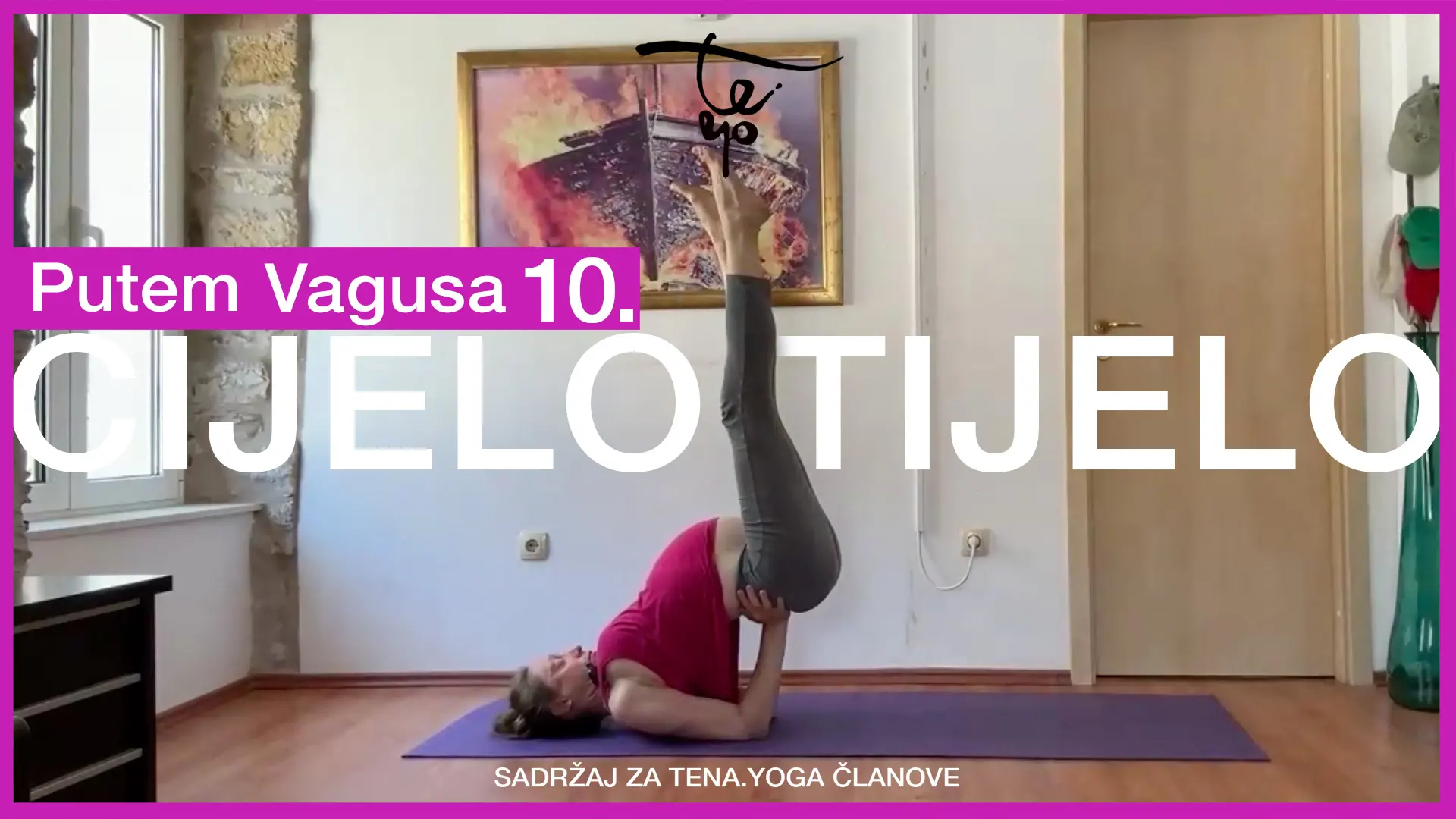
10. THE WHOLE BODY
In the final class of the month, we integrate practices and movements that engage the whole body. We sway, mobilise the hips from standing and awaken breath through broad movements. We then practise Sun Salutations, again emphasising pulses that create flow through the entire body. We move slowly and allow ourselves to feel movement distributed evenly.
After more preparation, we lower into Lizard for several minutes. Find a depth at which the body surrenders to the pose and feel free to pulse gently while there so that everything softens.
We then descend towards the floor, breathe and relax through several seated poses. We practise a small Bridge and supported small Bridge, from which the legs rise into Viparita Karani. Prepare a block beside the mat so that it is readily available for the end of class.
Finally, we dissolve into Shavasana and allow the body to integrate everything completely.
Mindful journal: Remember our statement from the beginning: stimulating the vagus is a path of flow and change. In this spirit,
may we release control and the seesaw between craving and aversion into trust in the process, alertness and openness. Remember your intention for the month and feel it as part of a process, flowing and far less personal and more universal.
Read more about the vagus nerve on the blog: THE IMPORTANCE OF THE VAGUS NERVE