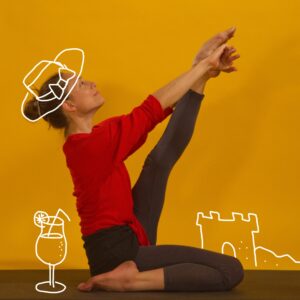
Mindful Slow Yoga
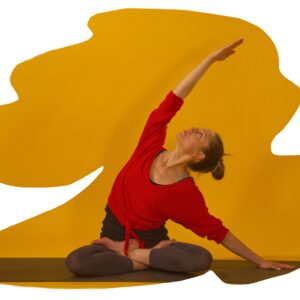
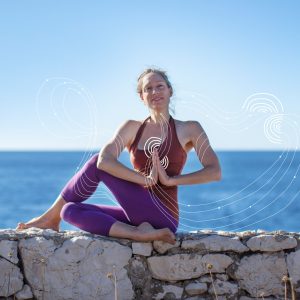
Mindful, conscious movement and restorative yoga poses, meditation through the body and releasing stress.
It's possible to order a single yoga lesson from this bundle.
The Tena Yoga Method
How I guide this package
Every class in this package has a clear intention. I guide you through the pose, attention, and breath so you understand what you are doing and find your own balance of strength, mobility, and ease.
More on the lessons
The package contains a talk with an introductory class and eight yoga classes.
Mindful Slow Flow Yoga is an approach in which we consciously follow movement and perform it according to what we need in that moment. While holding restorative yoga poses, we become aware of the present moment and our inner atmosphere.
We emphasise work with the hips and the psoas, the muscle that “holds” accumulated adrenaline within us. Emotionally, the hips are the part of the body through which we ground ourselves andrelease into the eartheverything we no longer need. We give ourselves time to release what no longer serves us, pause, rearrange our priorities and continue from a new foundation.
Themes covered:
- Mindful Slow Flow Yoga
- restorative asanas for the hips
- the relationship between the psoas and adrenaline
- yoga for relaxation
- relaxation and stress relief
- mindful yoga
- releasing the past
- Yoga Nidra
The recordings were made during regular guided online yoga classes. The classes were recorded through Zoom at a resolution of up to 720p, so variations in video quality are possible.
MINDFUL SLOW FLOW YOGA
We discuss what Mindful Slow Flow Yoga is and the principal qualities of this approach to yoga, if not exactly a style. We explain physical sensations, what they are, why they matter and how we observe them. We explore body awareness, the difference between thinking and feeling, and how we seek to return to feeling. Other important principles are conscious movement and the sensation of movement, as well as conscious breath and the sensation of breath in the body. Throughout the month, we practise slow, careful movement, feeling the body and awakening body awareness, restorative yoga and Yin asanas, with an emphasis on poses that address the hips.
Contents of the recording package

INTRODUCTORY TALK AND YOGA CLASS ON THE THEME
We understand mindfulness as a balance of alertness and relaxation. In this style, that means we do not fall asleep but maintain a pleasant wakefulness while practising relaxing asanas. We become aware of intentions as the initial sparks of every thought, word and action. Within this practice, we notice the intentions that arise before we begin moving. We also discuss the importance of working with the hips and why we emphasise this part of the body during the month, releasing the past, what is painful and what we have not processed.
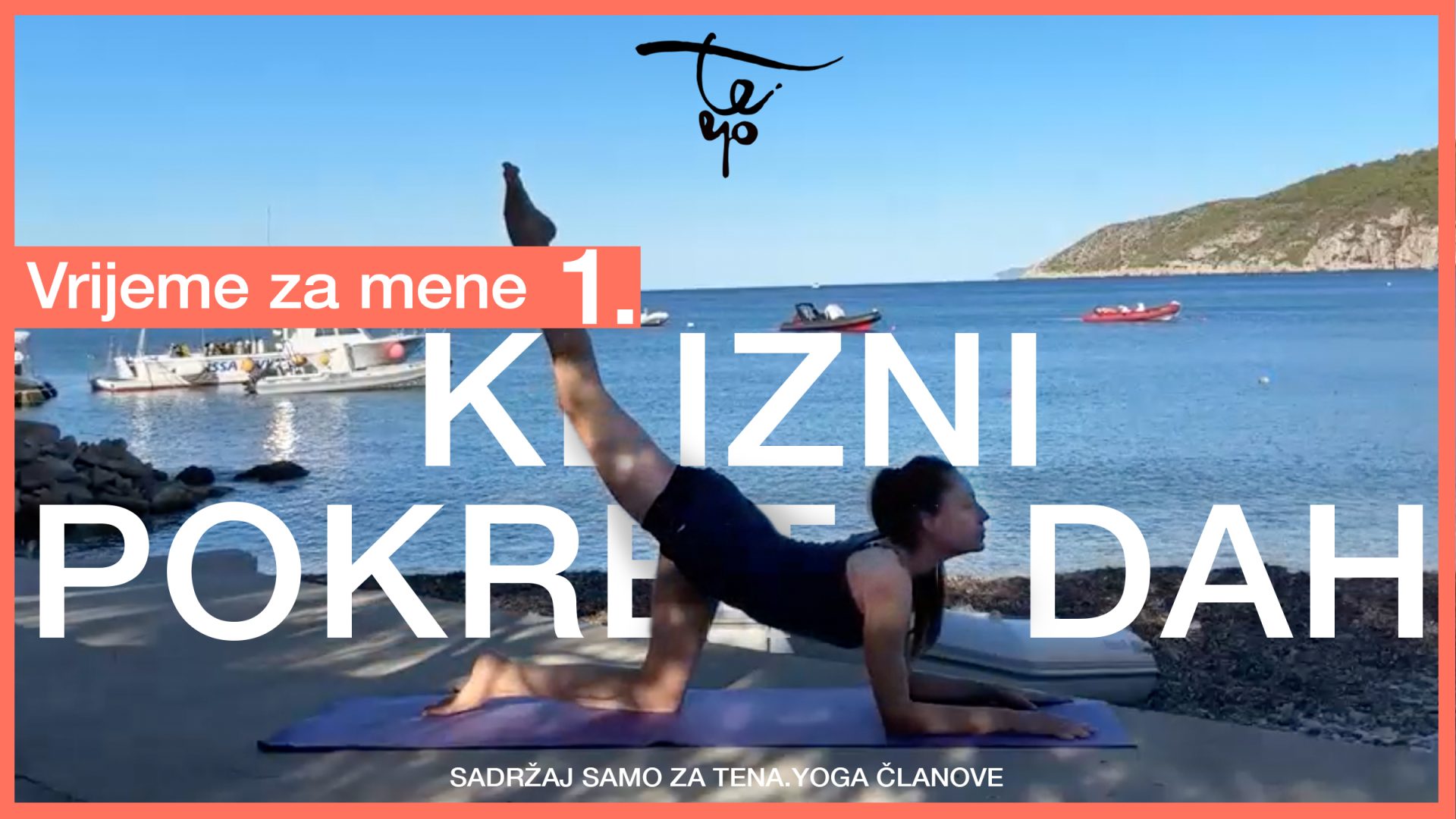
1. GLIDING MOVEMENT AND BREATH
Today, we begin gently with an extended breath and return attention to the body. Here, we know through feeling and need not think; we simply sense our inner atmosphere. We move as though gliding, connecting breath into a continuous current joined with attention. The body is a much broader and clearer field for awareness than breath alone in seated meditation. Throughout the class, I remind us several times to notice the tension held in the body. Only once we recognise it can we relax it.

2. AWAKE HIPS
This morning, we begin standing and activate the glutes and quadriceps through squat variations. These poses thoroughly awaken the body’s strong muscles, which we lengthen through several calmer Yin asanas in the second half of the class. The idea is to activate the muscles first because they stretch more comfortably afterwards.
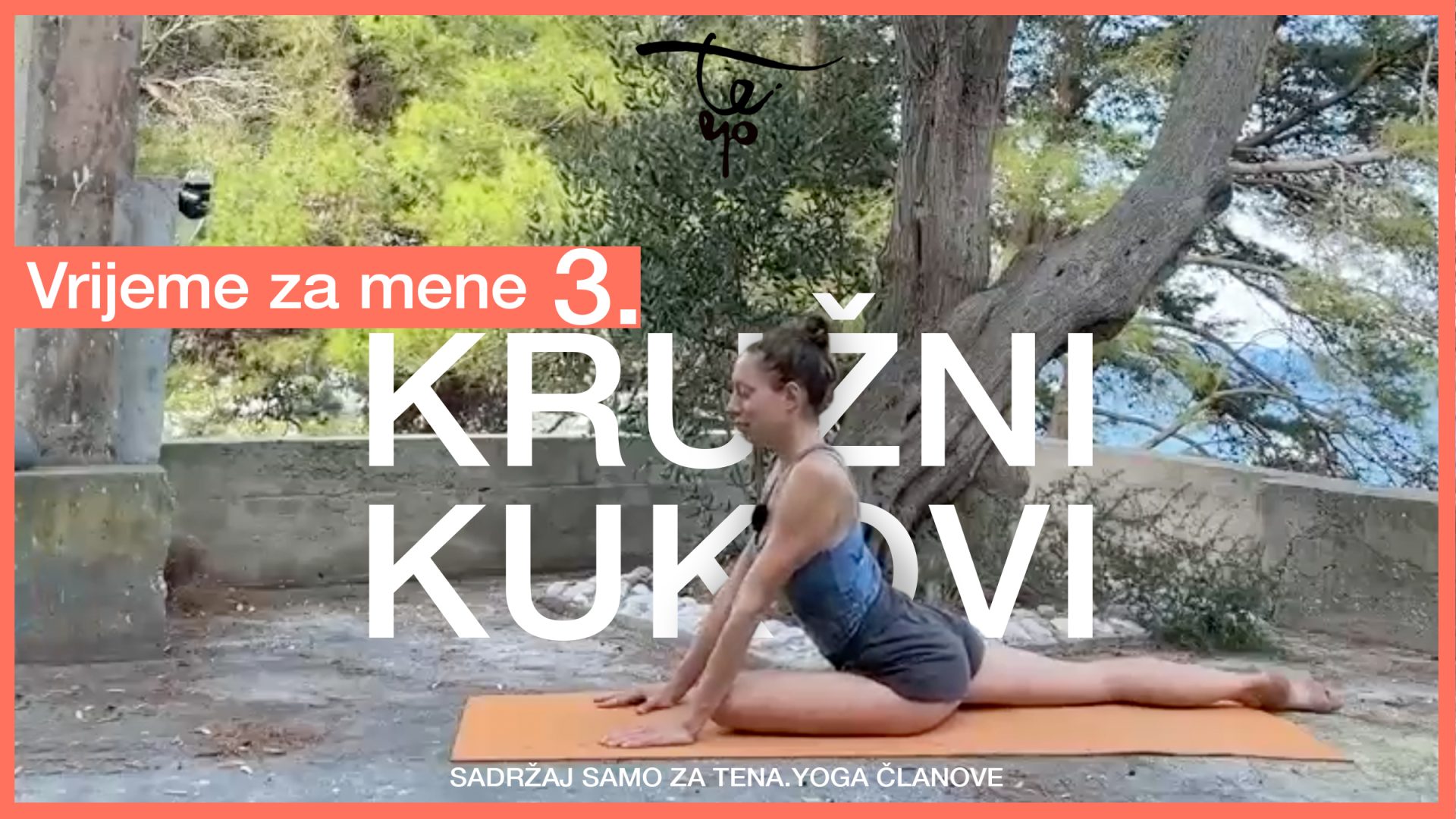
3. CIRCULAR HIPS
Through circular movements in the hips, we lower attention into these large joints and control comfortable movement. We make circles in several poses to prepare and mobilise the hips before remaining in Pigeon, a slightly more intense pose in which we can apply our mindful principles. The class is gentle and slow, giving us time to feel every detail genuinely. We seek to maintain a healthy balance in which we observe what is unsettled with much more love and peace.

4. INTO THE DEPTHS
Entering the hip joint and exploring its directions of movement is today’s focus. We lengthen the legs in four directions to reach targeted openings. When the leg moves backwards in relation to the pelvis, the front attachment and psoas lengthen. When it moves forwards, the hamstring attachment lengthens. Opening the leg to the side stretches the adductors on the inner thigh, while crossing one leg over the other lengthens the outer thigh.
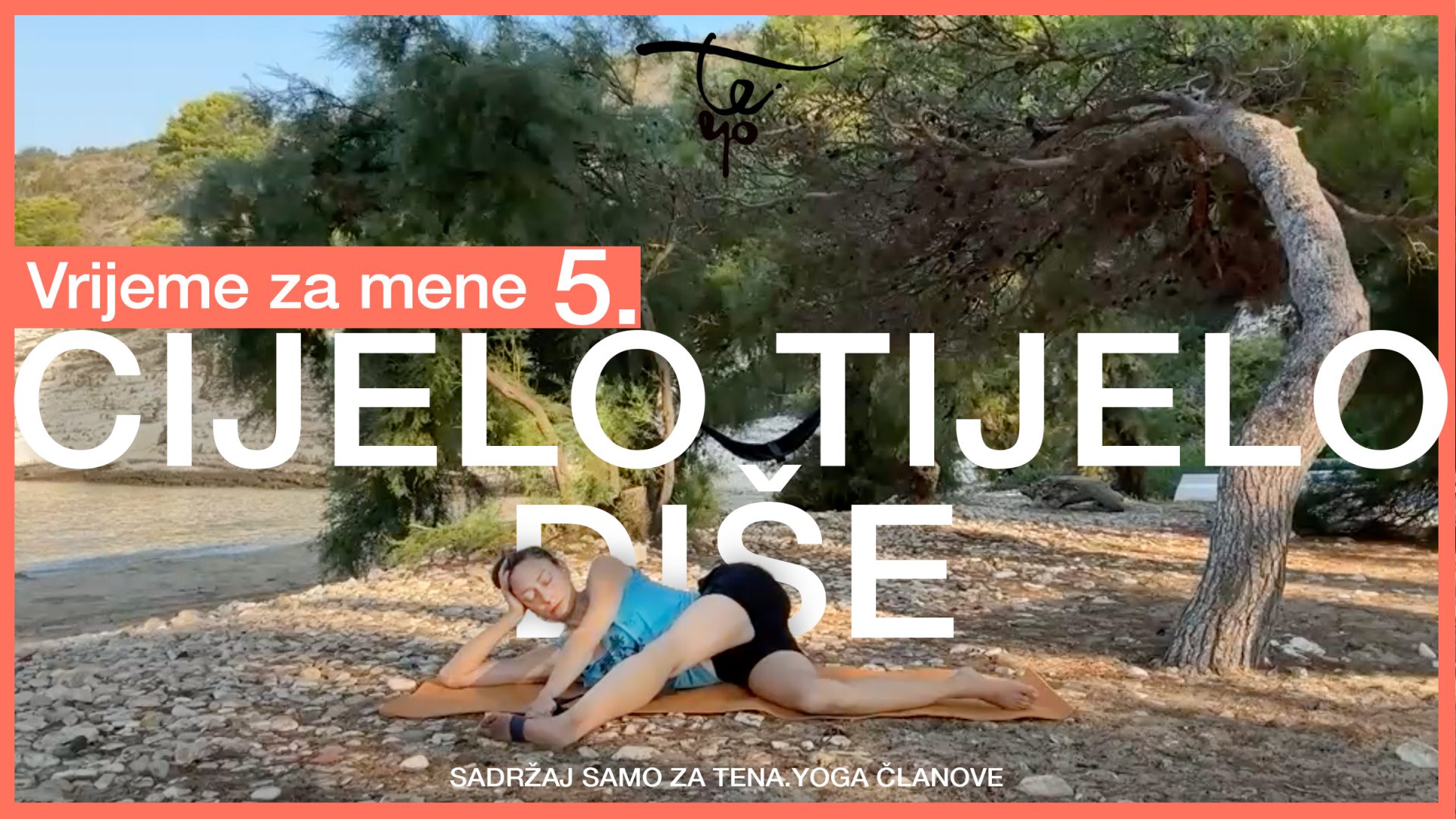
5. THE WHOLE BODY BREATHES
When we move calmly and slowly, we can notice subtle differences and the body’s fine communication. The value of a mindful approach to yoga lies in emphasising attention within the body and direct feeling, without needing to think or route every impulse through the rational part of the brain. No experience in life exists outside this, because everything we think and feel appears as physical sensations. If we catch them at the beginning, we can more easily release them or recognise whether a thought or action is useful.
6. FRIENDLY BREATH
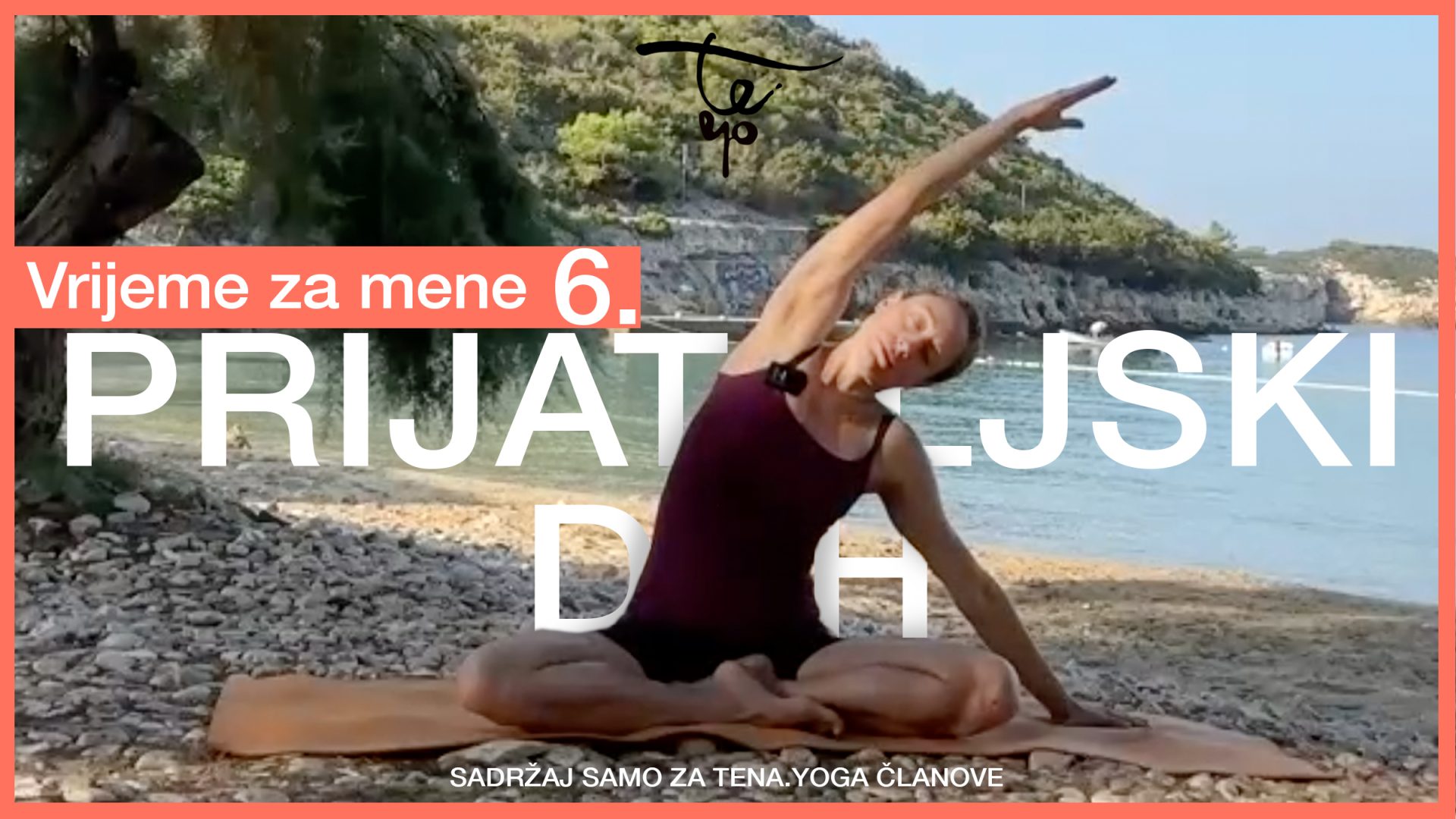
A judging way of seeing wants what is absent to be present and what is present to be different. It sees through craving and aversion: this moment is not good. This is the foundation of all dissatisfaction. If we knew how to remain all right, calm and relaxed with what is here, whether pleasant or unpleasant, we would know acceptance and understanding. We could then make a calm attempt to change the situation, but not from aversion. We learn to remain calm and feel the body and the sparks of craving and aversion peacefully, recognising how they create discomfort that makes us react and feel compelled to “push it out” because we cannot bear it.
7. CONTACT WITH DISCOMFORT
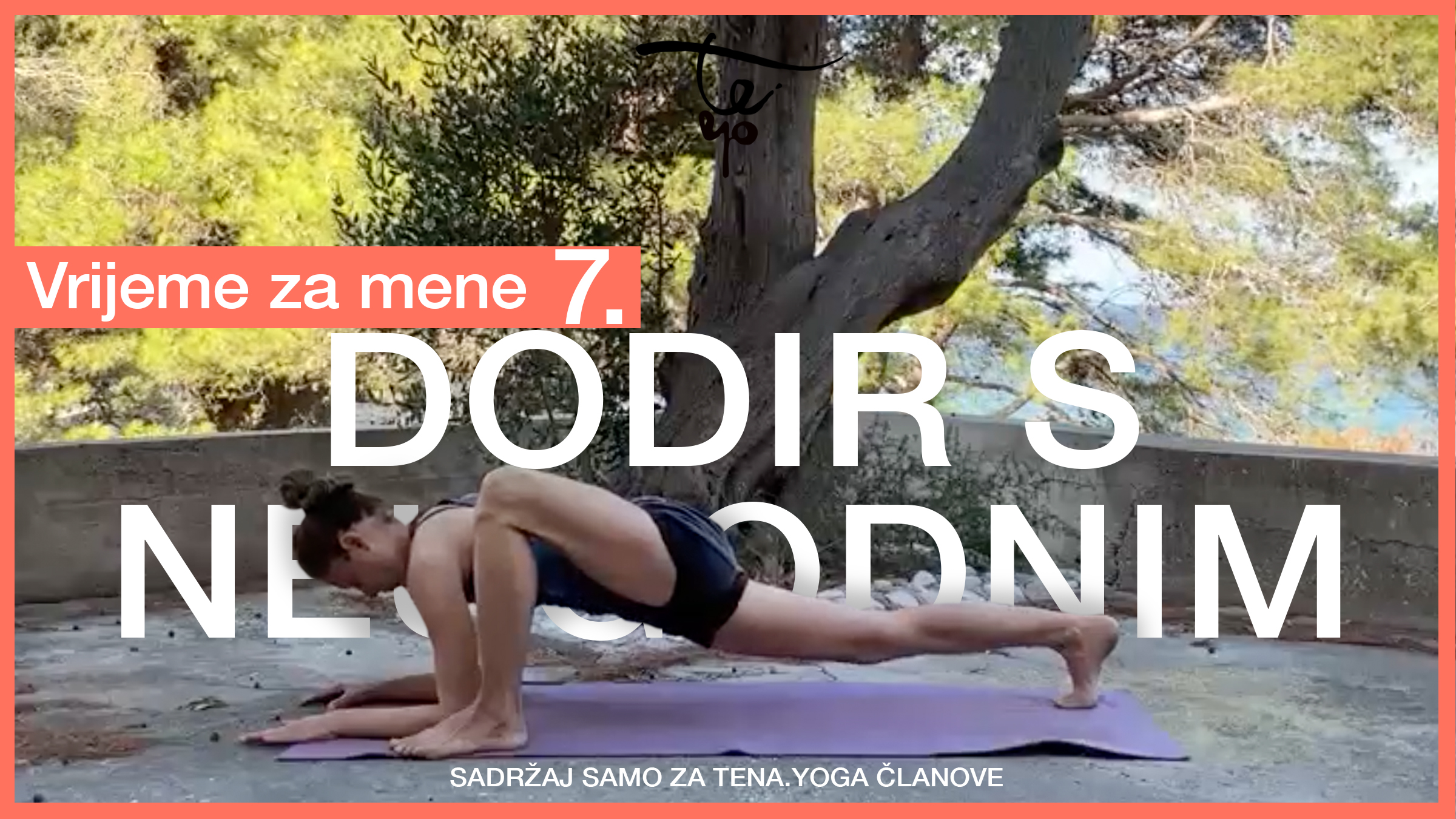
The first part of today’s class focuses on movement and preparation for a deeper, more intense asana, Lizard. We practise it with full attention and create space around the discomfort of the deep stretch. We contemplate how remaining in a “difficult” asana affects the nervous system in the same way as a challenging mental or emotional contraction, and how we can use the same tools in both situations. We directly learn and reprogramme how we relate to difficulty and challenge while within these asanas , today represented by Lizard…

8. THE BODY KNOWS
This morning, we begin by becoming aware of breath expanding into all four sides of the lungs. When we direct attention through the breath into specific parts of the body, we feel its subtle movements and naturally expand it into an even more comfortable, fluid and complete breath. After the introduction, we move through several asanas that continue opening the breath in every direction through the chest and opening the hips. The class is naturally calm and relaxing, with several challenges that we handle like mindfulness professionals. We discuss the importance of bodily awareness and the objective feeling available within the body before we colour it with cravings and aversions…