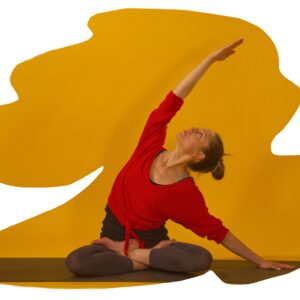
Breath of Health
We practise antistress yoga and use breath with yogic techniques that support successful self-regulation.
It's possible to order a single yoga lesson from this bundle.
The Tena Yoga Method
How I guide this package
Every class in this package has a clear intention. I guide you through the pose, attention, and breath so you understand what you are doing and find your own balance of strength, mobility, and ease.
More on the lessons
The package contains a talk with an introductory class and ten yoga classes.
We focus on “mental cleansing” through antistress yoga. We discuss the causes of stress and how it affects us and practise techniques for successful self-regulation. Read more on the blog: A Natural Path to a Life Without Stress. This approach uses deep abdominal breathing and breathing patterns that can regulate the nervous system. We move through a gentle yoga practice with mindful movement and an emphasis on establishing stability and security within the body. We regularly practise mindfulness meditation. This approach to yoga supports people dealing with stress, panic attacks, insomnia, depression and anxiety. Yoga offers a natural form of support for stress and anxiety. Read more about yoga for mental health on the blog: Yoga for Mental Health
Themes covered:
- breathing exercises for regulating the nervous system
- gentle yoga practice
- working with the psoas and hips
- antistress yoga
- asanas for stability and stretching
- mindful yoga
- mindfulness meditation
- finding peace within an unsettled situation
- daily motivation
The recordings were made during regular guided online yoga classes. The classes were recorded through Zoom at a resolution of up to 720p, so variations in video quality are possible.
SPACE OF THE BODY, SPACE OF AWARENESS
To anticipate stress and recognise where we are on our scale from relaxation to stress, we emphasise the space of the body, a feeling of breadth and peace in which the beginning of any contraction or tension is easy to see. We move comfortably and fluidly, soothing ourselves from within while allowing enough time to sense our surroundings. Awareness of the space around us informs the autonomic nervous system that our environment is safe and that we can relax completely. Our best protection is our own mindfulness, our alertness. May we remain this relaxed breadth today and notice what begins to form and harden. May we choose what deserves a response and easily release what is not useful.
Contents of the recording package
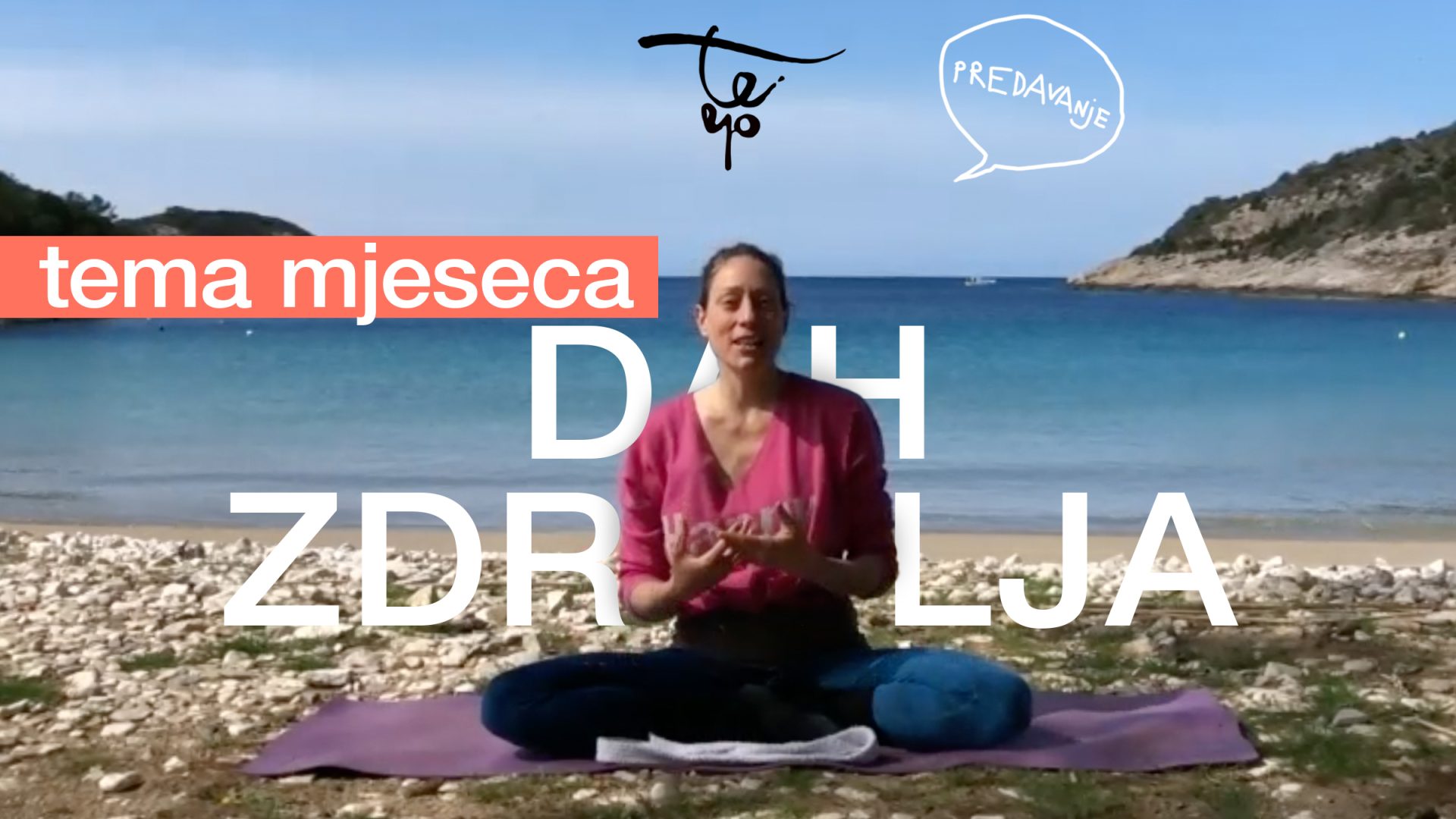
INTRODUCTORY TALK AND YOGA CLASS ON THE THEME
The theme is divided so that we travel upwards through the body’s key stress points. We begin with the psoas, then address the diaphragm, shoulders and finally the face. We also start with coherent breathing, later adding a longer exhalation and Chandra Bhedana, the Moon-Piercing Breath.

1. THE BEGINNING
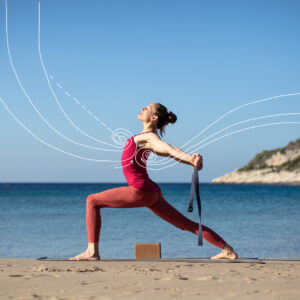
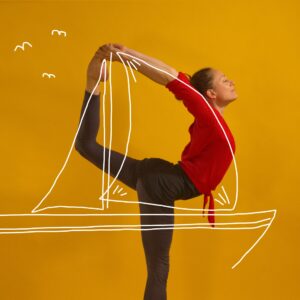
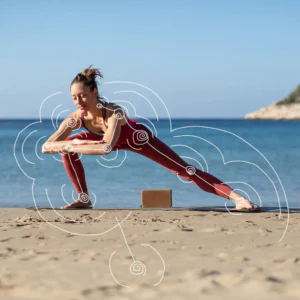
We practise stretches with a strap, opening the chest, wave-like movements and several asanas. We move through Lizard, which lengthens the psoas more deeply, a variation of Natarajasana and Scorpion in Downward Dog.
The focus is opening the front of the groin where the leg and pelvis meet, the entrance to the psoas. We lengthen this area and apply the therapeutic principle: become aware, stretch, breathe and, as a bonus, breathe with a smile.
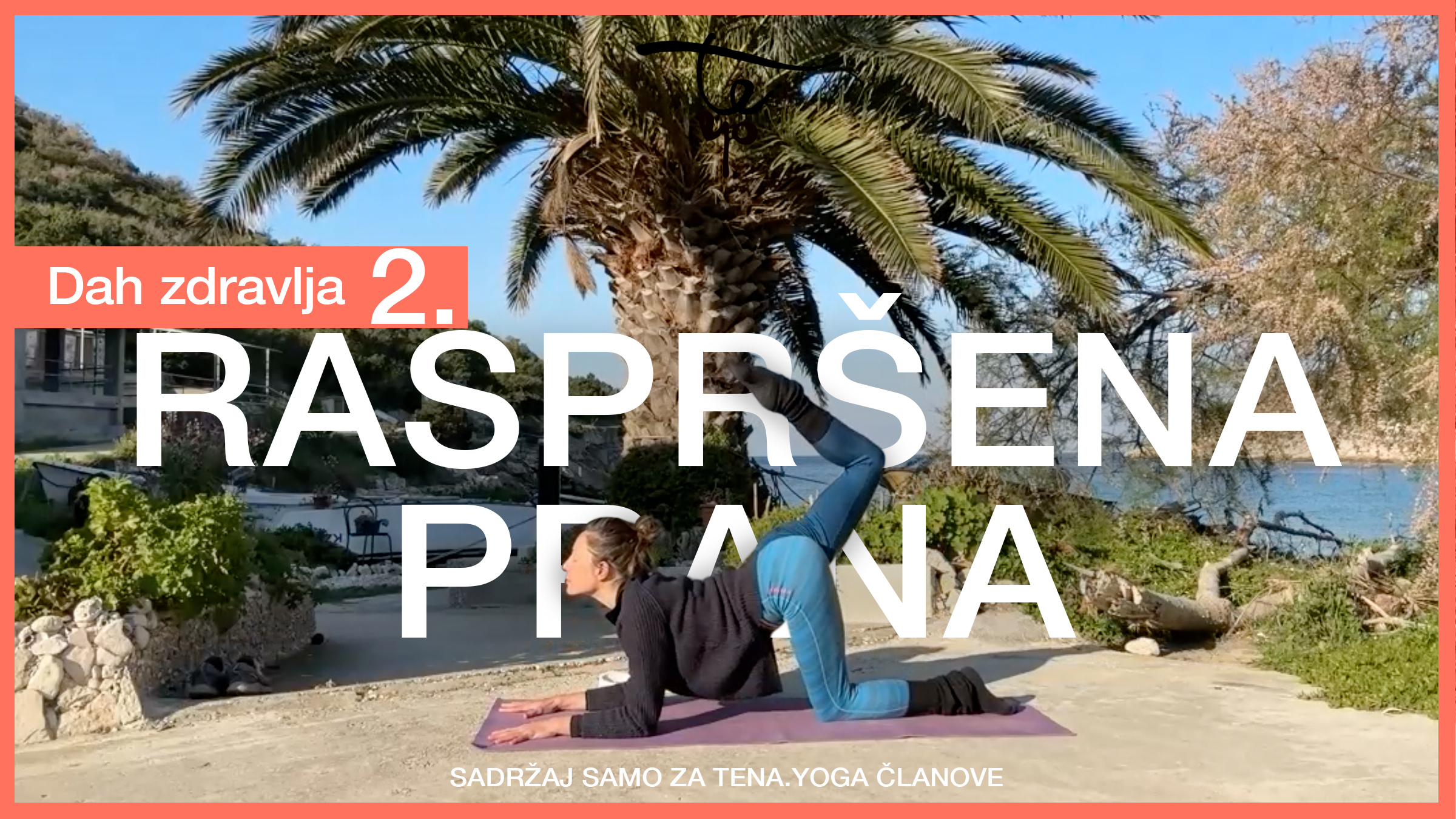
2. SCATTERED PRANA
In yoga, we focus Prana. Scattered Prana means thinking about many things, carrying many obligations and being distracted by numerous demands that create stress. The brain has a limited capacity for how much information it can process at once; beyond that, we feel nervous. Today, we continue coherent breathing, inhaling for four counts and exhaling for four, and use asanas to open the groin and enter the psoas.
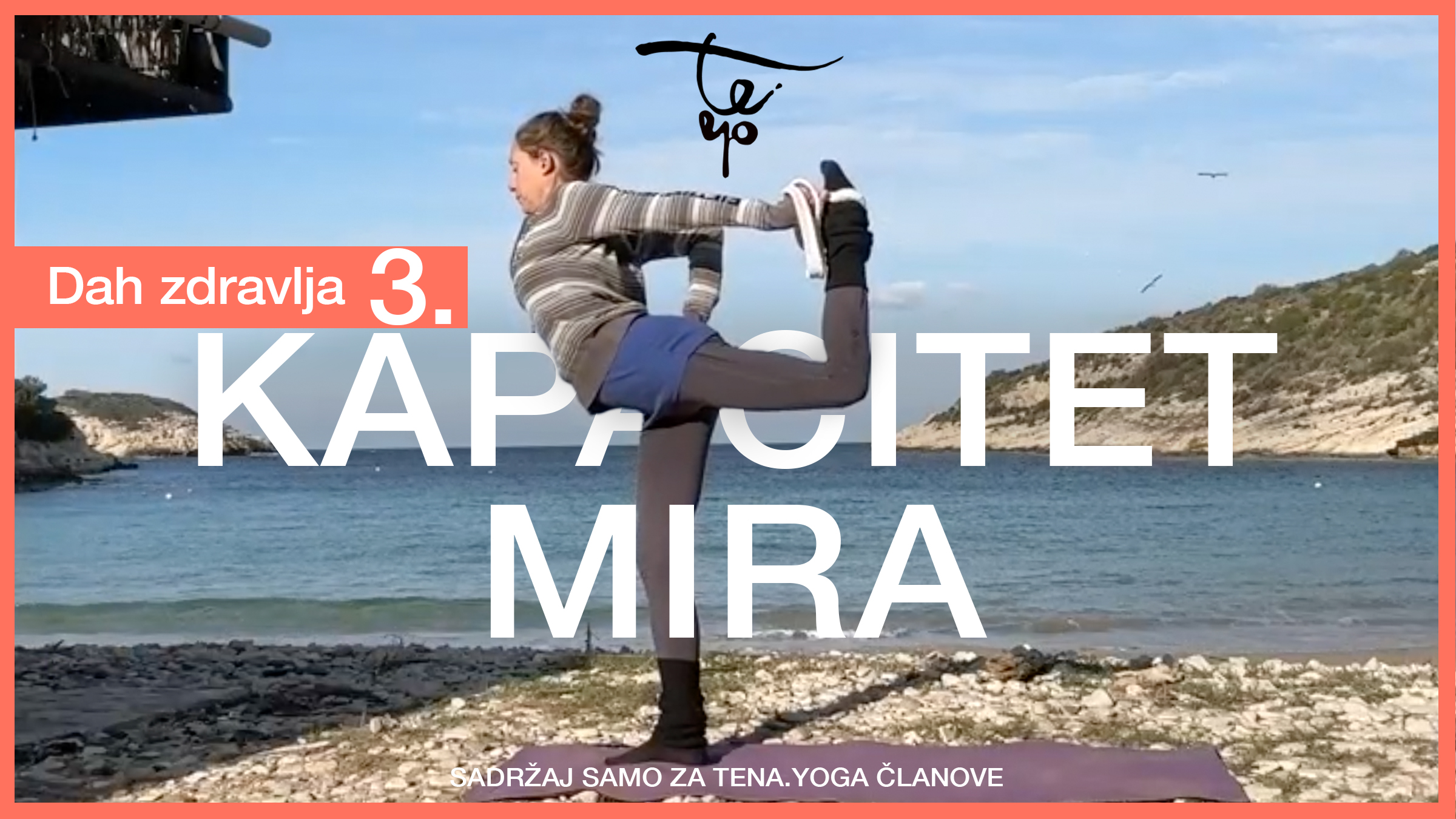
3. A CAPACITY FOR PEACE
We cannot know how much stress the day will bring, but we can prepare by bringing our capacity for peace and openness into every situation. This is why we practise in the morning: to find the stability and strength with which we can meet what lies ahead. We continue with the same poses and theme, releasing the psoas and now connecting the diaphragm by opening the front body. We bring light into the body through the pleasant energy of gliding movements while still seeking a comfortable, deep stretch.
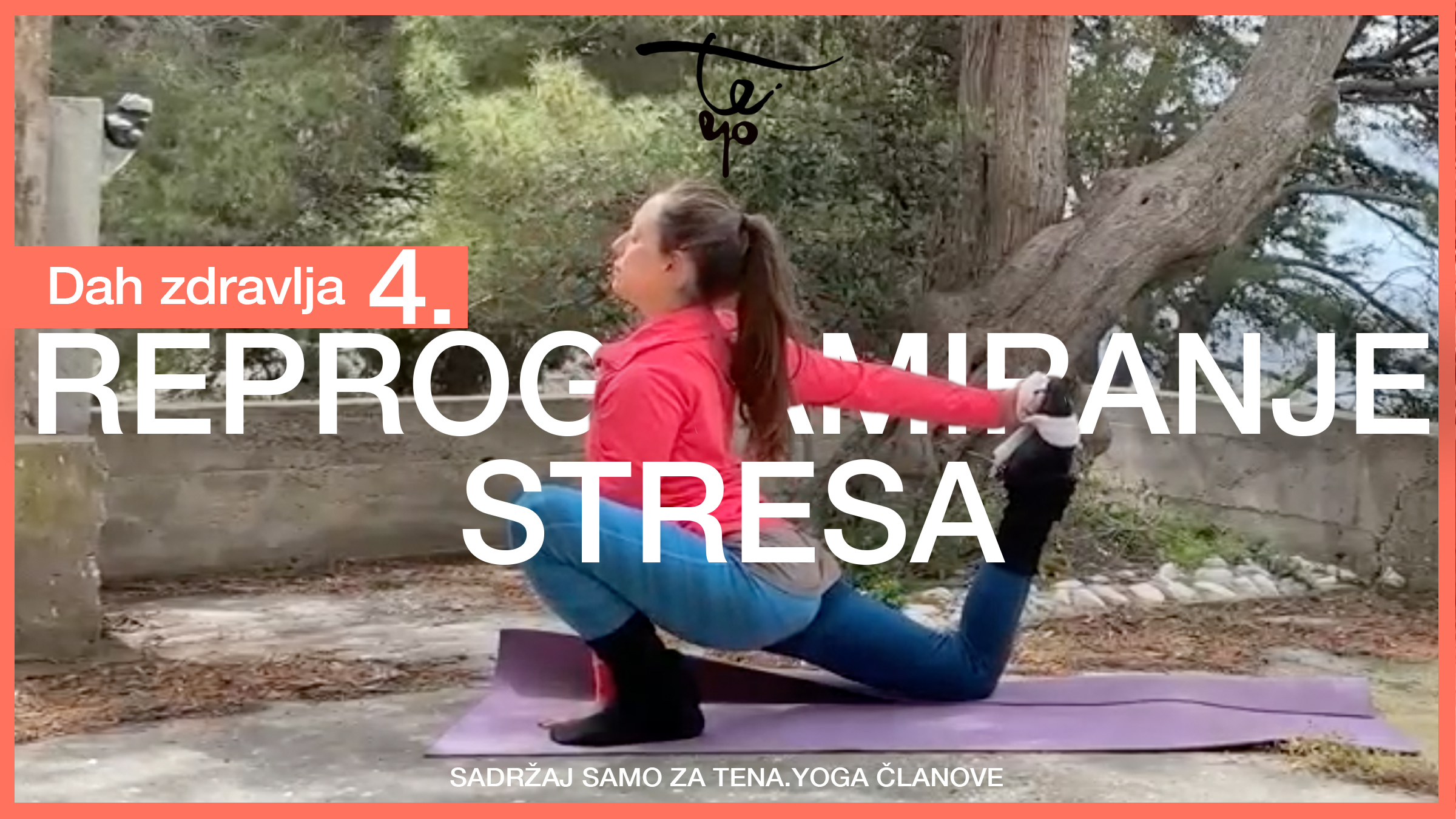
4. REPROGRAMMING STRESS
The quality of coherent breath, a balanced rhythm that glides like silk passing through the fingers, soothes the nervous system. At the beginning, we find it without struggle and add a slightly longer exhalation. Today, we open the psoas and chest towards the diaphragm. We release stress accumulated in the stomach, restlessness and nervousness, breathing as though the diaphragm itself were directly opening this space. We practise an option of Raja Kapotasana, a very deep and intense opener, so move slowly and keep breathing to regulate stress. At the end, Ustrasana connects the entire front body.
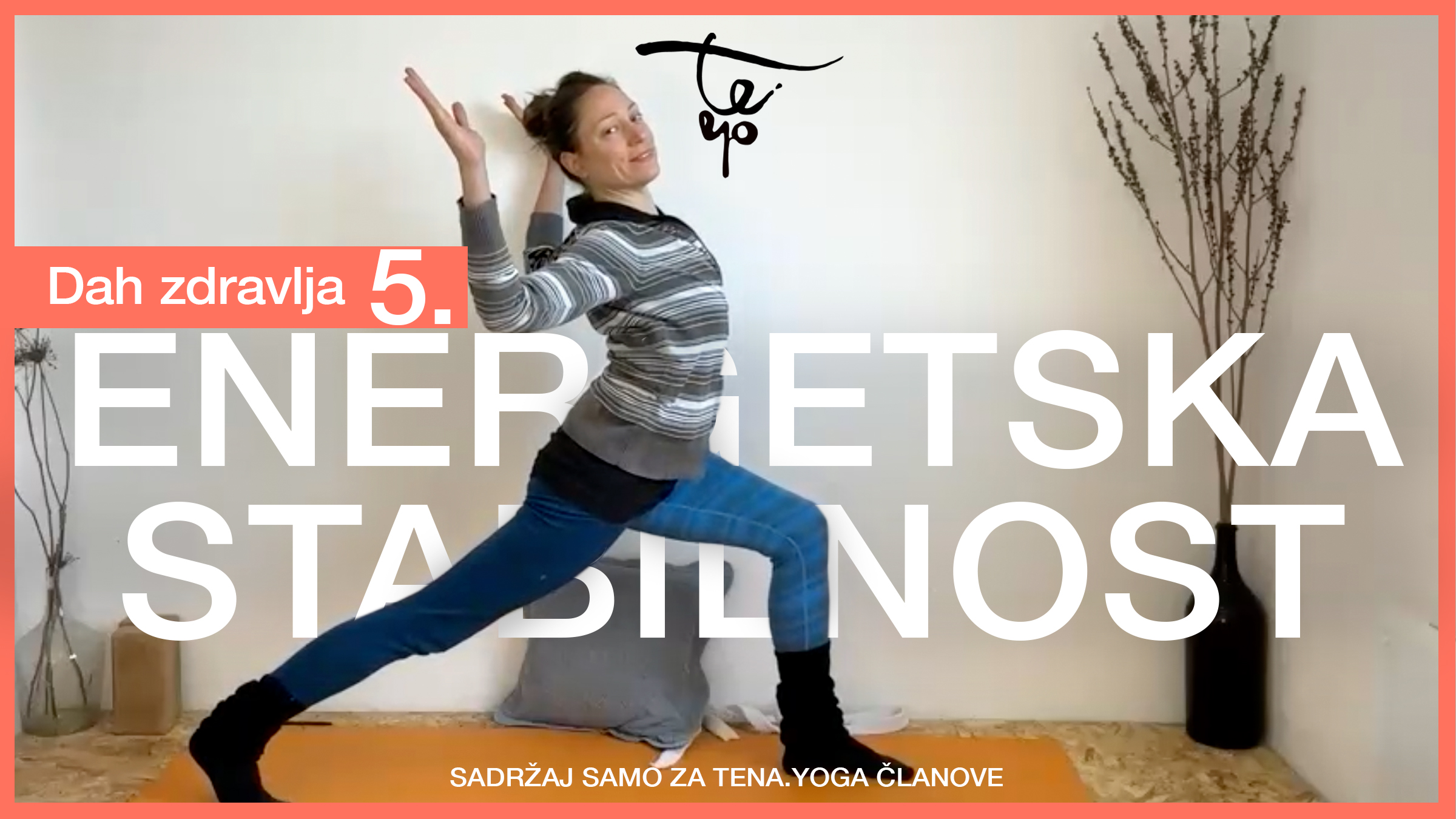
5. ENERGETIC STABILITY
Managing stress means reprogramming how we function within a stressful situation, so that our automatic response remains better balanced under pressure. This is our focus during the first half of the month. We challenge and open the psoas and the whole space towards the diaphragm through backbends that activate the sympathetic nervous system. They increase heart rate and breath, as you may notice, but we practise them slowly and with awareness and enough breath to tell the body that everything is all right.
Today, we continue working with the diaphragm through a calm practice, gliding breath and flowing movement. We establish secure energetic stability.
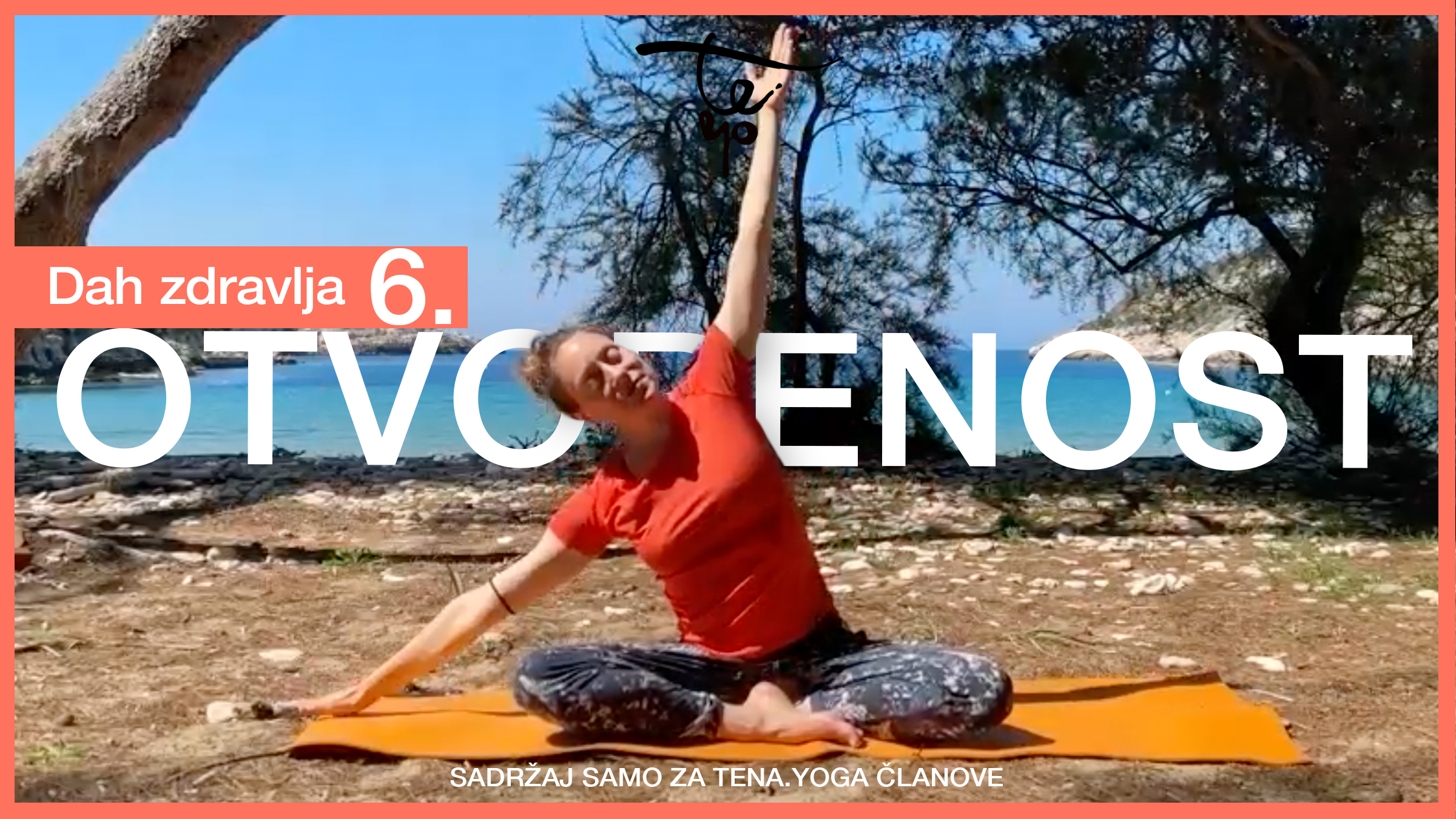
6. OPENNESS
Every state we feel can ultimately be understood as contraction or relaxation. What we think and feel creates contraction: boredom, worry, anger or fear may appear as the first tightening in the body. This can help us recognise, as contraction begins, whether a state is acceptable to us or whether we will relax and allow it to pass. The body is the field of this openness.
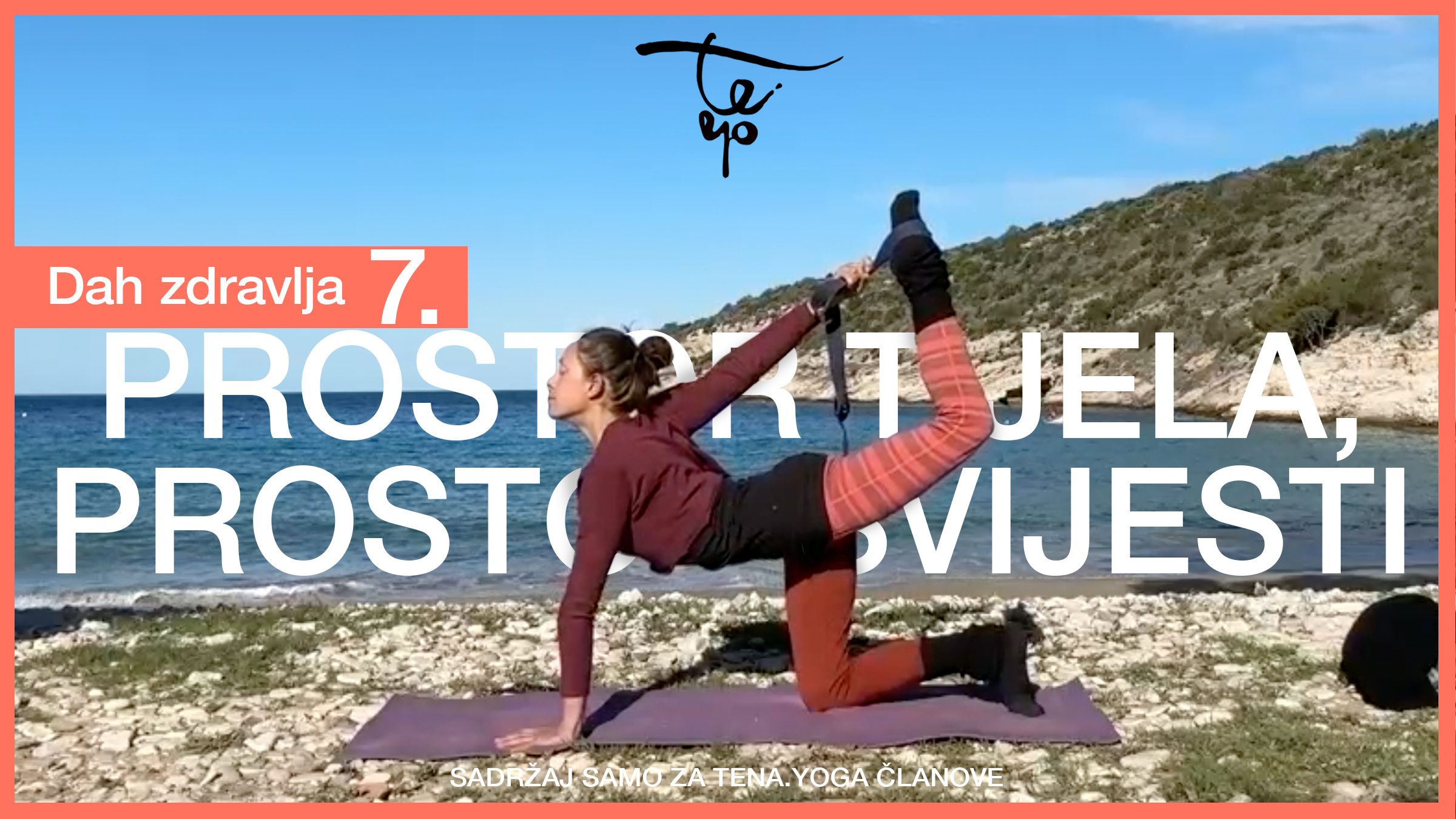
7. SPACE OF THE BODY, SPACE OF AWARENESS
To anticipate stress and learn where we are on our stress scale, we emphasise the space of the body, a feeling of breadth and peace in which the beginning of contraction and tension is easy to see. We move comfortably and fluidly, soothing ourselves from within and allowing time to sense our surroundings. Awareness of the space around us informs the autonomic nervous system that our environment is safe and that we can relax completely. Our best protection is our own mindfulness, our alertness.
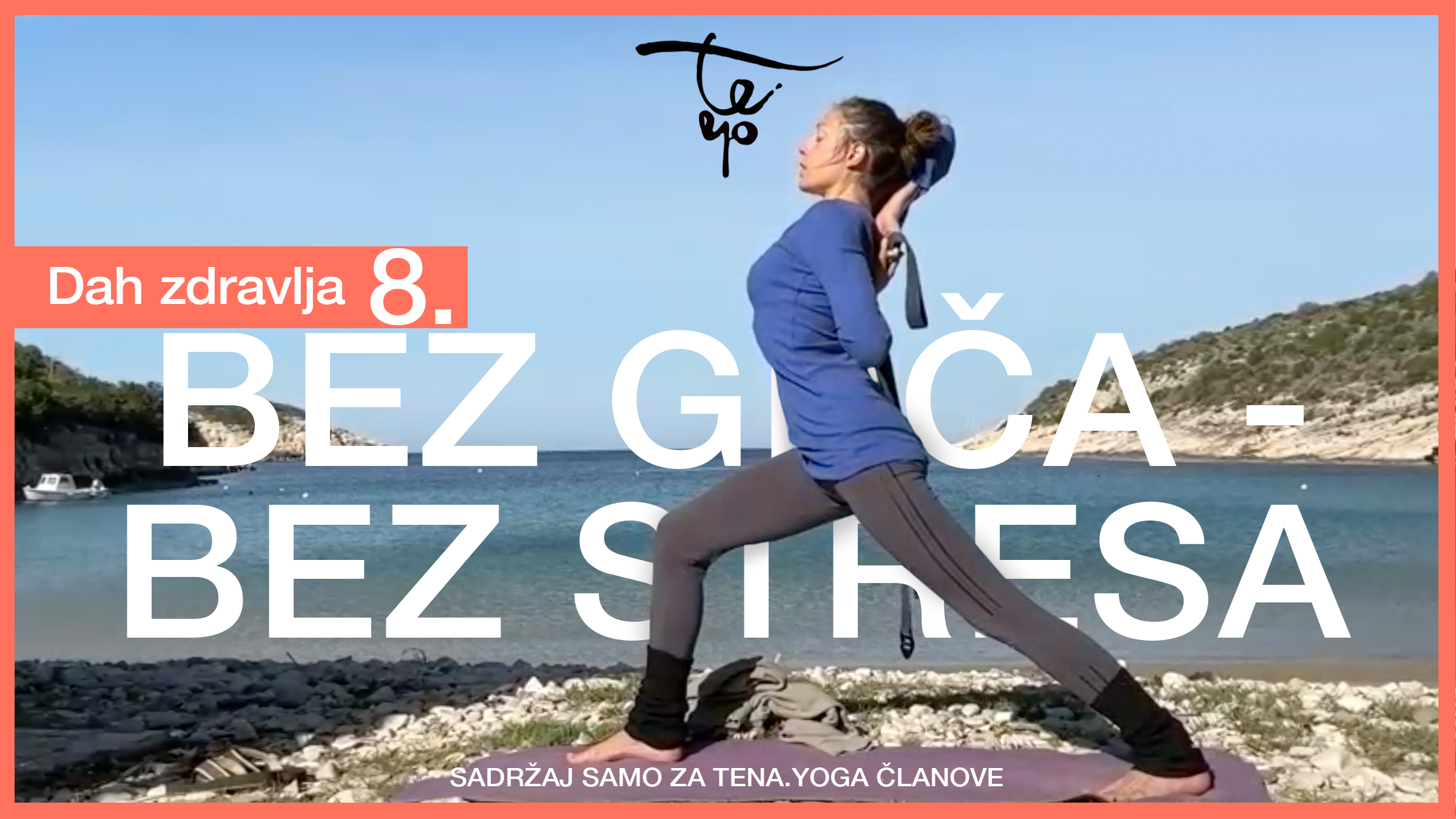
8. WITHOUT CONTRACTION, WITHOUT STRESS
We arrive at the shoulders, one of the principal parts of the body that respond to stress. Lifted shoulders and gently clenched teeth can eventually lead to persistent tension, leaving the muscles rigid and making headaches more likely. Something in our psychology believes we can maintain “control of the situation” through the head, as though seeing where we are provides safety. This has a natural basis, but in yoga, we learn to know where we are through the whole body and feel that we are not in danger, allowing the head to relax. We explore this through several inversions.
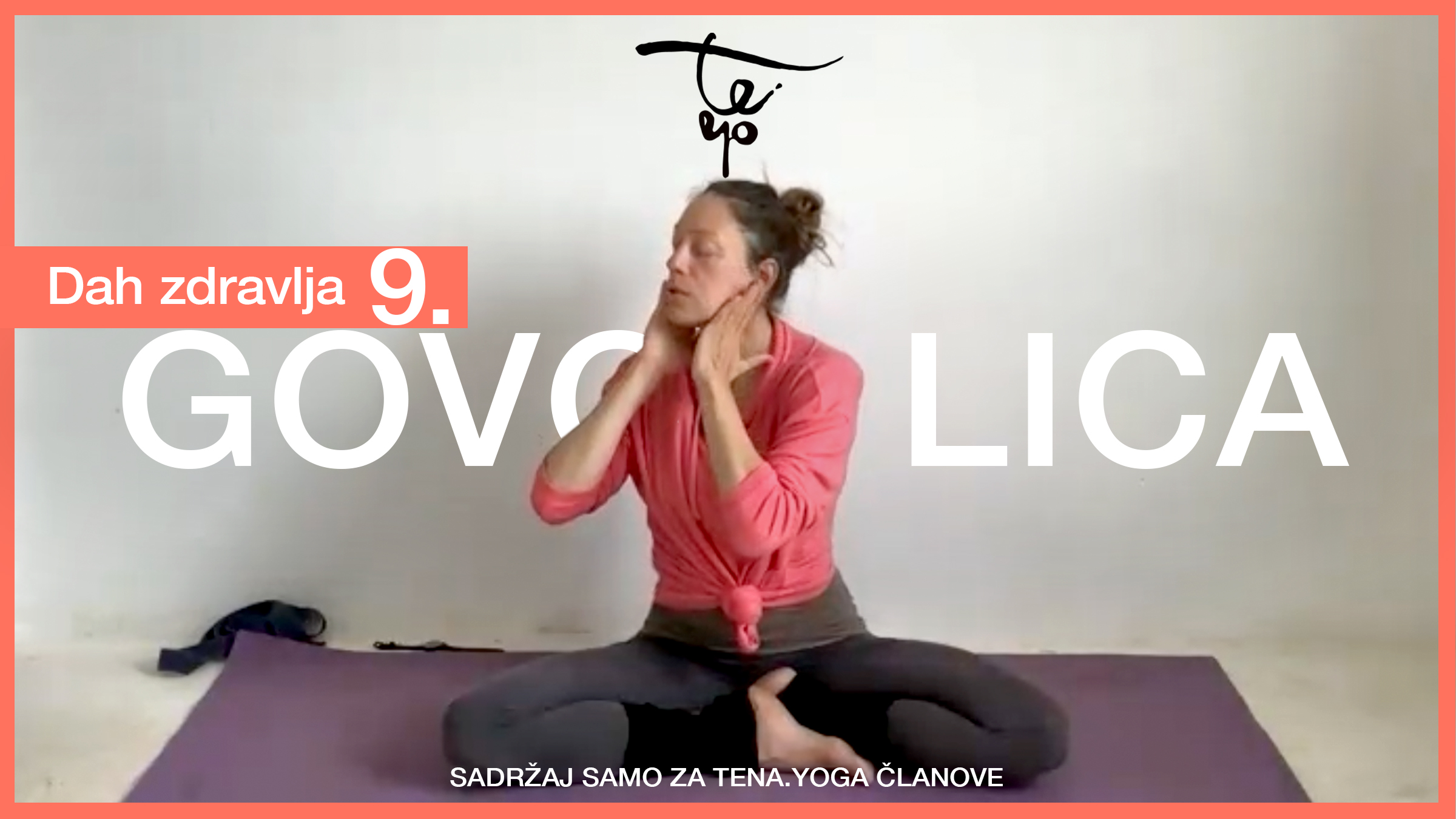
9. THE LANGUAGE OF THE FACE
Body language, especially facial expression and grimacing, communicates what we think and feel. If we feel something but do not allow ourselves to express it, that energy remains trapped and unexpressed, creating stress and inner tension. Through the face, we communicate without words, allowing another person to understand, empathise and support us. The face is one of the most important areas because it reflects the entire body, and the nervous system is closely connected with the facial muscles. Face yoga, including facial expressions and self-massage, can therefore help relax the sympathetic nervous system quickly.

10. DANCE OF FREEDOM
When we are free from causes of stress and on the positive side of our scale, the soul dances. We are naturally happy when the causes of dissatisfaction are absent. Logical, is it not?
Today, we practise deep, calm and balanced breathing and Chandra Bhedana, the Moon-Piercing Breath through the left nostril, which soothes the nervous system. We then move through several Sun Salutations and asanas with an emphasis on mobilising the shoulder girdle and comfortable, fluid movement.