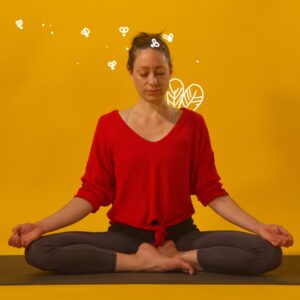
Mindfulness for Every Day
Through yoga, we practise alert relaxation and bring mindfulness into everyday life.
It's possible to order a single yoga lesson from this bundle.
The Tena Yoga Method
How I guide this package
Every class in this package has a clear intention. I guide you through the pose, attention, and breath so you understand what you are doing and find your own balance of strength, mobility, and ease.
More on the lessons
The package contains a talk with an introductory class and eight yoga classes.
We explore an understanding of mindfulness in everyday life and establish alert relaxation through yoga practice.
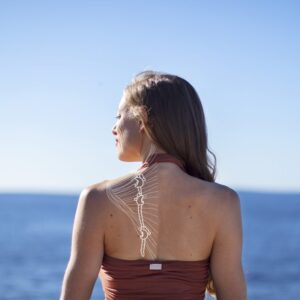
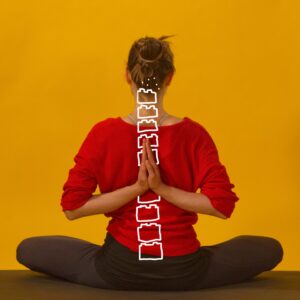
Alert relaxation is an attitude in which we lengthen the spine and express wakefulness through the body while relaxing the facial muscles and the layer beneath the skin. We cultivate this attitude through yoga poses that strengthen the spine as an axis of alertness and strength while maintaining a smile and softness. This is the Buddha’s Middle Way: we are neither so relaxed that we sleep unconsciously through our life nor rigidly tense with stress. It is a state in which we are responsive , able to respond well when needed and relax when the time is right. We practise embodying this attitude and remembering it throughout the day: rise upright and simultaneously relax.
Themes covered:
- the body as the field of the present moment
- strength in the base, legs and pelvis
- upright posture
- strength and relaxation within the same experience, the asana
- meditation
- relaxing the facial muscles and face yoga
- breath along the spine
- daily motivation
The recordings were made during regular guided online yoga classes. The classes were recorded through Zoom at a resolution of up to 720p, so variations in video quality are possible.
Contents of the recording package

INTRODUCTORY TALK AND YOGA CLASS ON THE THEME
This morning, we begin the month’s theme with a talk and yoga practice. The talk explores mindfulness, meditation and how the body maintains a healthy balance of alertness and relaxation; the yoga practice naturally builds upon it. This is essential material and a strong foundation for everything else we will practise throughout the year. We will approach everything through this principle and return to it often. Listen to the talk more than once if something intrigues you, and ask if anything needs clarification.

1. STRENGTH VS STRESS
To embody alert relaxation, we learn to distinguish which muscles create healthy strength when activated and which increase stress. Strength feels like being able to carry a situation, while stress feels like falling into it without choice. In this class, we address stress in the shoulders, including the automatic lifting of the shoulders, or in the body’s language, latissimus versus trapezius. The latissimus beneath the armpit uses strength to hold the shoulders down and the chest upright, while the trapezius lifts the shoulders and shortens the space between ear and shoulder.

2. ANTISTRESS SHOULDERS
We focus on the shoulder girdle and distinguish the muscles that use strength to hold the shoulders down from those that automatically lift them under stress. This morning, we begin by becoming aware of the jaw muscles, relaxing the muscles of mastication with breath “through the teeth” and facial massage. We then mobilise the neck and shoulders and return to the principle of activating the muscles beneath the armpits that support the chest while relaxing the trapezius. We also practise several standing inversions to exhale stress as though deflating a balloon and find targeted activation beneath the armpits.
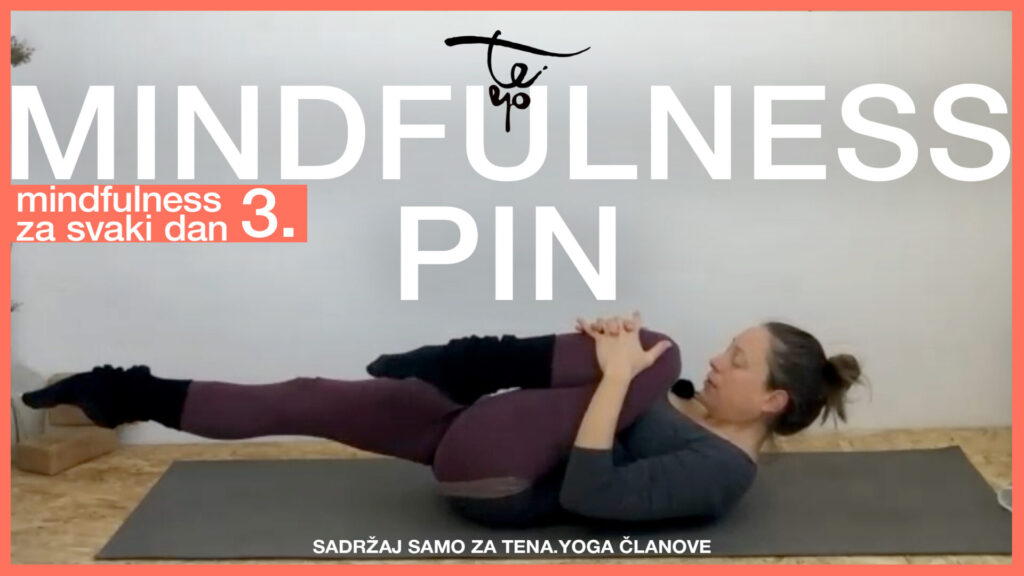
3. MINDFULNESS PIN
This morning, we first sit and feel ourselves: ah, I am here, and I feel the breath within my body. We then connect the strength beneath the armpits with the abdomen and the kinetic chain from hand to foot. Throughout the class, we work with this connection and targeted abdominal strength through the principle: exhale and engage the abdomen. This continues our exploration of healthy strength in the body, which helps us carry situations without falling into stress. We literally learn to redirect which muscle group is working and thereby embody an attitude without stress.

4. TIME FOR ME
A little valuable time that we take for ourselves to train the highest quality of presence and health through the body and attention. We begin by gently stroking and massaging the face to relax, then warm up gradually. We complete five Sun Salutations for rhythm and silence, several standing poses that bring strength and relaxation into one experience, the asana, followed by several poses on the floor.

5. THE POWER OF THE LOWER ABDOMEN
We first use the hands to feel how to engage the lower abdomen while continuing to breathe freely, then find supportive strength from which we can grow through familiar poses and Sun Salutations. The lower abdomen is a treasury of “action without effort”. New life is created there, the greatest power our body can offer. Life creates itself without effort or striving, through nature’s own strength. According to the Tao, we can live by the same principle: powerfully yet without effort. Strength in this sense is not muscular contraction. It is energetic strength, willpower and peace of mind, however you choose to understand it.

6. THROUGH THE FACE
We begin by relaxing the face and several acupressure points, then enter the practice gently. I know we are tired in the morning and the body is stiff, so we simply need to begin. The first few inhalations and exhalations already soften the body, allowing us to add a little more strength. The class summarises this month’s work: alertness and relaxation, strength versus stress, and the mindfulness pin, bringing everyday actions into attention with a quality of wakefulness.
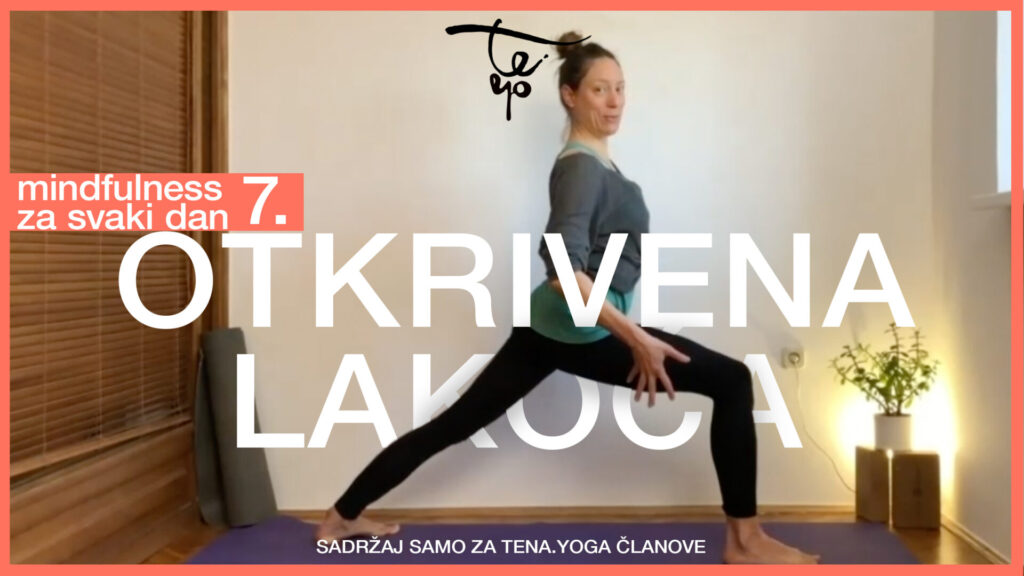
7. EASE REVEALED
This morning, we begin again with the face, massaging and stroking while remaining in contact with the body through this pleasant feeling. This is effortless sensing: it is easier to feel the whole body without effort than when we “concentrate” and contract, sensing only a narrow part. The more we maintain a sense of the whole, the easier it is to see when something narrows our attention and what caused it. This is our mindfulness, always available whenever we remember.

8. EVERYTHING IS ALREADY HERE
To maintain simple everyday mindfulness, we ask two questions. First: how do I know I am here? Through feeling, not by explaining what we feel. Second: how can I find the best balance of alertness and relaxation? We ask whether any part of the body is tight and can be relaxed. When we answer these questions, we remember to be mindful. I say “answer”, but not with words and thoughts; we answer through the body. Through the body, we know we are here, and through the body, we release unnecessary tension.
We do not need to practise yoga for 20 years to be mindful. We can all do it whenever we remember, and with time it simply becomes easier.
Everything is already here; we only need to remember. Let us remember as often as possible, with Right Intention: Samma Sati , Right Mindfulness.