Vegan Protein
principles for enriching your diet
with protein and fiber
Getting enough protein in our daily diet is extremely important because without it we cannot maintain long-term health and a functional body. As we age, we need to consume more of it. If a meal does not contain enough protein and fat, carbohydrates will make up most of what we have eaten, and our calorie needs will largely have been met by carbohydrates. Our stomach may be full after such a meal, yet we can still feel hungry because we crave something more substantial and nourishing. The meal does not keep us full for long, so we soon reach for snacks, sugar, and simple carbohydrates. These raise energy quickly but bring it down just as fast. In this cycle, digestion slows, the body tires, aging accelerates, fat accumulation increases, metabolic flexibility declines, and conditions such as insulin resistance, prediabetes, and other illnesses may develop.
The question is not only what to eat to remain healthy and vital, but, even more importantly, what to remove: what tires us and prevents our vital functions from working properly.
TOO MUCH GLUCOSE
We know that the modern industrial diet is full of modified and synthetically processed foods, hydrogenated fats, refined carbohydrates, and simple sugars hidden in many products. This food is advertised as convenient, accessible, appropriate for our needs, and sometimes even healthy. Without questioning those messages, consumers can easily trust that this is genuinely suitable food for people. The diseases and conditions associated with such a diet have become a pandemic of the modern age. It is important to talk about this because each of us chooses what to eat, and with simple guidance and common sense we can improve our quality of life and health.
New trends in nutrition have challenged the long-standing belief that fats themselves are harmful. We now understand that sugar and poor-quality refined carbohydrates play a major role in weight gain and illness. Counting calories is less useful than looking at where those calories come from. We also know that the food pyramid drawn for decades is not entirely accurate and that a substantial share of our energy should come from fats and protein.
In exploring the problem of excessive carbohydrate intake, I should mention Jessie Inchauspe , who presents knowledge from modern medicine and nutrition in a simple, practical way. Her work focuses on reducing sudden rises in blood glucose, or aglucose spike, and maintaining more stable glucose levels during and after a meal. This may help us avoidinsulin resistanceand ultimately diabetes. Her ten tips are easy to apply in everyday life and can make a significant difference to the size and speed of a post-meal glucose rise. You can listen to and read about them here: The 10 Glucose Goddess Hacks.
For more thorough information and a deeper understanding of glucose, insulin, and metabolism, I recommend Dr. Benjamin Bikman and the podcast: The Insulin & Glucose Doctor.
Plant Sources of Protein
How can we get enough protein from a primarily vegan diet?
First, plant sources of protein often contain more carbohydrate than protein. For example, 100 g of beans contains about 4.8 g protein and 8 g carbohydrate. This means that obtaining 10 g of protein from beans also brings roughly 20 g of carbohydrate.
Second, we must obtain essential amino acids from food because our bodies cannot synthesize them. Few plant proteins contain all of them, so we need to pay attention to food combinations that can provide the complete range.
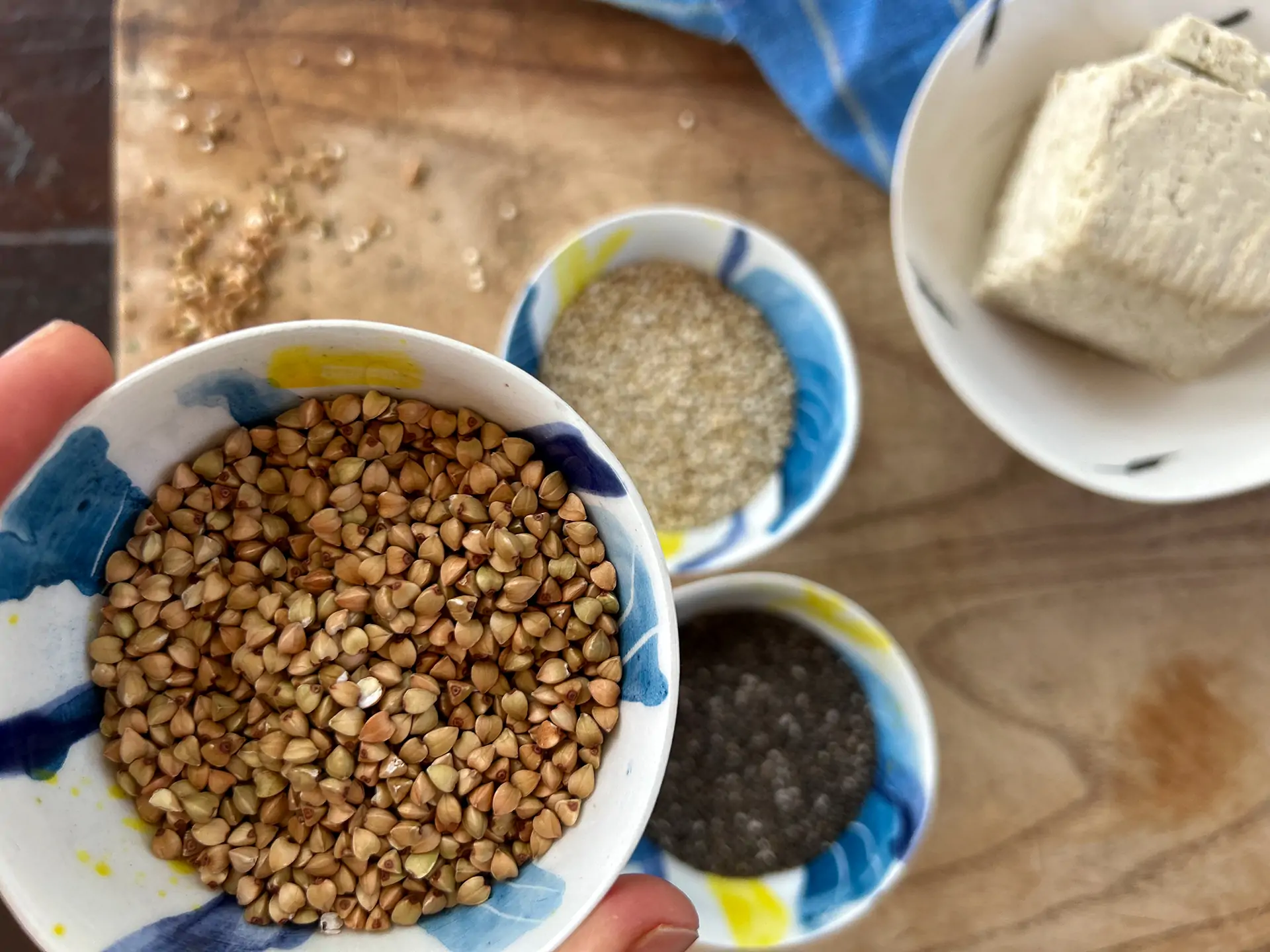
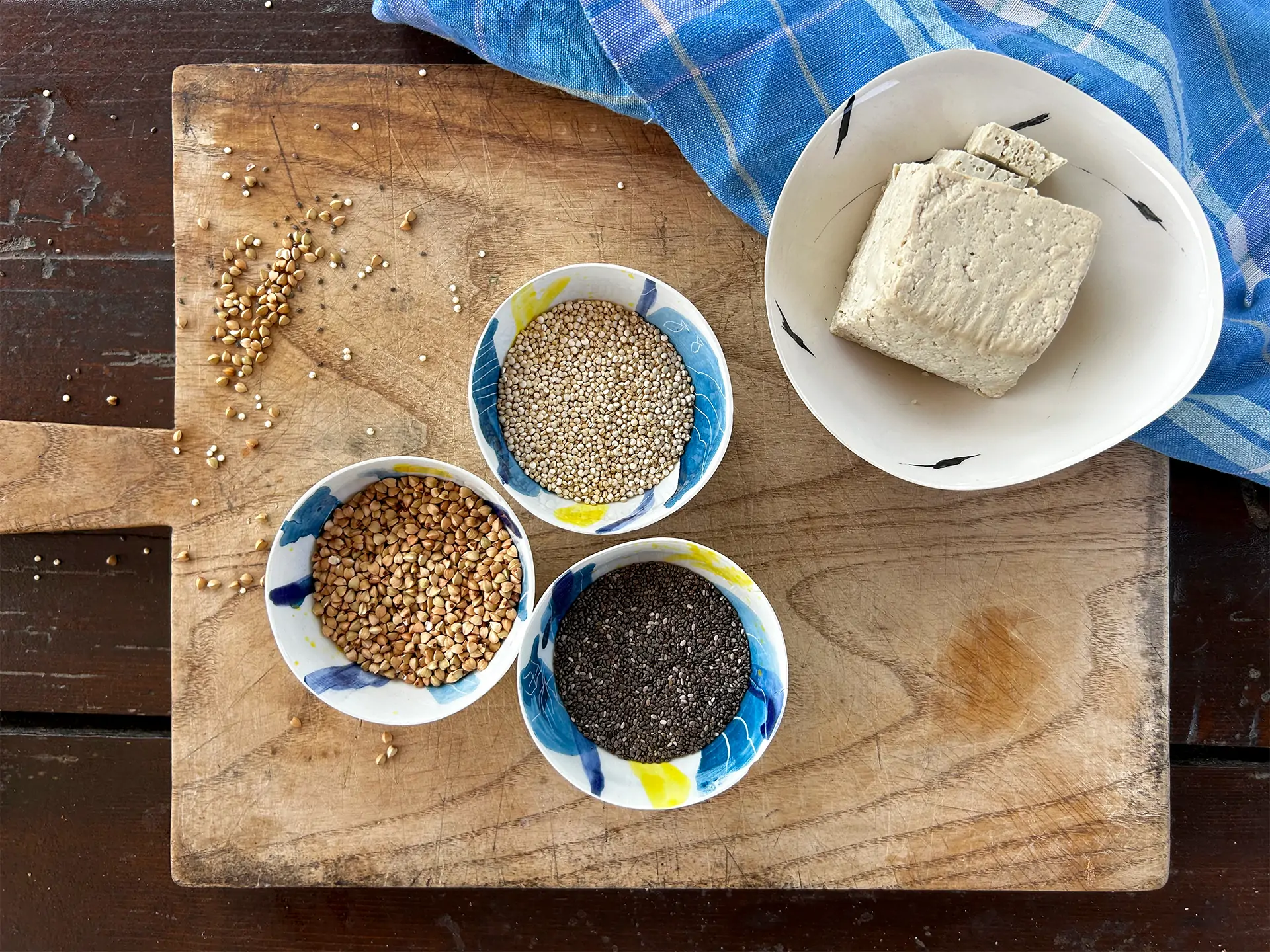
Foods that contain all nine essential amino acids include soy and soy products, quinoa, amaranth, buckwheat, hemp and chia seeds, and nutritional yeast. Most of these plant sources, however, still contain a higher percentage of carbohydrate, so we would need to eat quite a large amount to obtain a substantial quantity of protein. For example, 100 g of buckwheat contains about 13 g protein and 70 g carbohydrate.
We can also obtain all the essential amino acids by combining foods, such as legumes with grains in the same meal or peanut butter with bread. These combinations can naturally help the body reach a fuller sense of satiety.
Third, the bioavailability of plant protein is lower than that of animal protein because plants contain so-called antinutrients, compounds that can reduce the body’s ability to absorb certain nutrients. This means that the body may not use all 4.8 g of protein found in 100 g of beans.
In yoga, of course, we know that we cannot discuss one nutrient in isolation from the whole. Numbers and statistics, such as the protein content of a food, do not tell us exactly how much our own body can use. In a yogic diet, we seek wholeness, integration, and nutrients available in their natural form. To improve digestion and absorption, we use spices, fermentation, non-alcoholic aperitifs and digestifs, and practices that strengthen the digestive fire, such as yoga kriyas or exercises such as 5 Minutes for Detox and Fire Cleansing).

). We can feel confident that a diet based primarily on plant protein can meet the body’s needs, especially when we aim to eat a rich, varied,sattvic diet. Modern knowledge can help us connect these two worlds, see the full picture, and make informed choices when designing a wholesome way of eating. Read more about a yogic diet that keeps the mind alert, the body healthy, and the heart peaceful in the post: 7 Principles of a Yogic Diet.
The Importance of Fiber
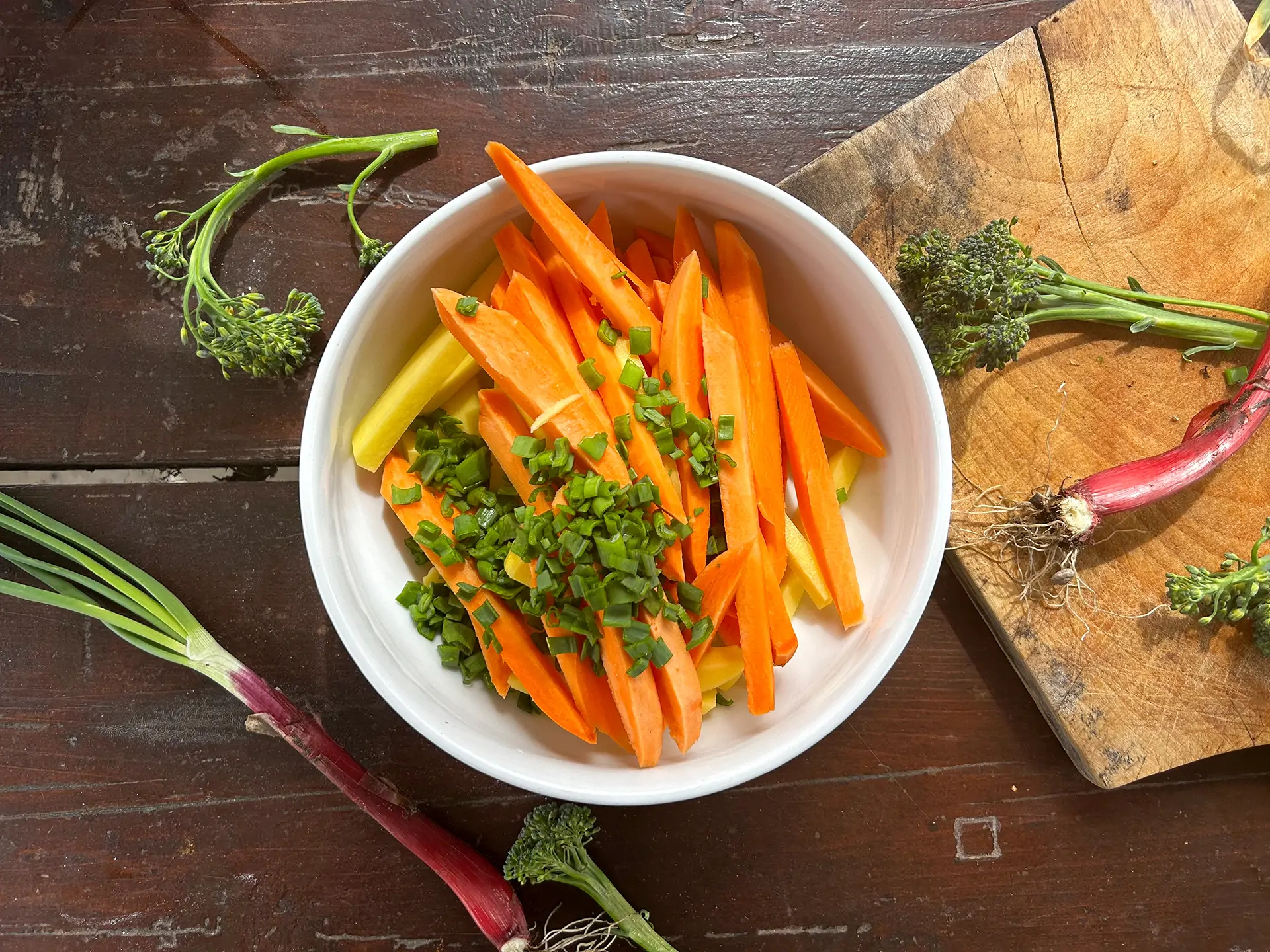
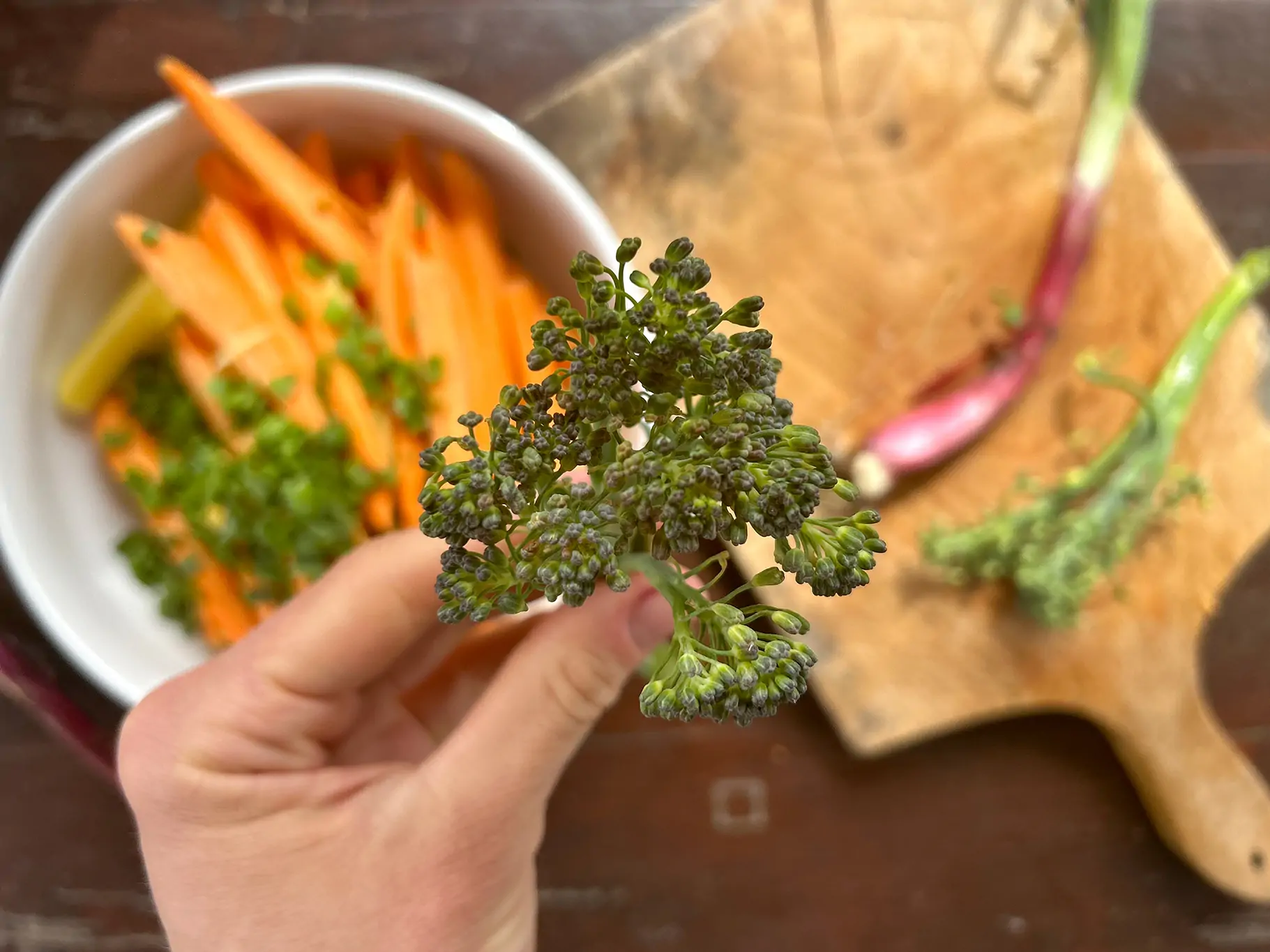
Vegetables should be the star of most of our meals. They are our primary source of fiber, vitamins, and minerals. Fiber from plant foods can be divided into soluble fiber , which forms a gel-like substance in the digestive tract and helps slow glucose absorption, and insoluble fiber, which we generally cannot digest but which supports digestion, the movement of food through the digestive tract, and metabolism while nourishing colonies of beneficial microbes in the gut.
Fiber helps slow the absorption of glucose into the bloodstream and regulate digestion. If we eat it first in a meal and starch later, the fiber forms a protective layer that prevents simple carbohydrates from entering the bloodstream as quickly and creating a large blood-glucose spike.
Vegetables naturally differ in composition. Potatoes, for example, contain a much higher proportion of carbohydrate than tomatoes. We therefore choose vegetables according to what we want them to contribute to a particular meal. Vegetables, especially local and seasonal produce, are among our best allies, and it is worth building most meals around them.
Fruit is also an excellent source of fiber, vitamins, and minerals, but it contains considerably more sugar, depending on the type and ripeness. When eating fruit, I also follow the golden rule of having it raw as a separate meal. Seeds and nuts are rich in fiber, fat, and plant protein and appear in many forms in vegan and yogic food. We also use them to make sauces, spreads, plant-based cheeses, pates, toppings, and more.
7 Principles
These practical tips can enrich your diet with protein, fiber, healthy fats, vitamins, and minerals, increase the vitality of your food, and support longer-lasting fullness, balance, and better health. :)
1. Protein-Rich Spreads and Sauces
Almost any meal can be enriched with a little protein-rich spread or sauce. Homemade sauces and spreads are ideal. Store-bought versions are designed to remain on shelves for a long time, which can reduce their nutritional value. They also often contain hidden ingredients for maintaining texture, preservatives, and sugars. Read the labels on commercial veggie pates carefully because some are not a meaningful source of protein at all, but simply combinations of modified starches and flavorings. When there is no better option, a store-bought hummus can still make a useful base.
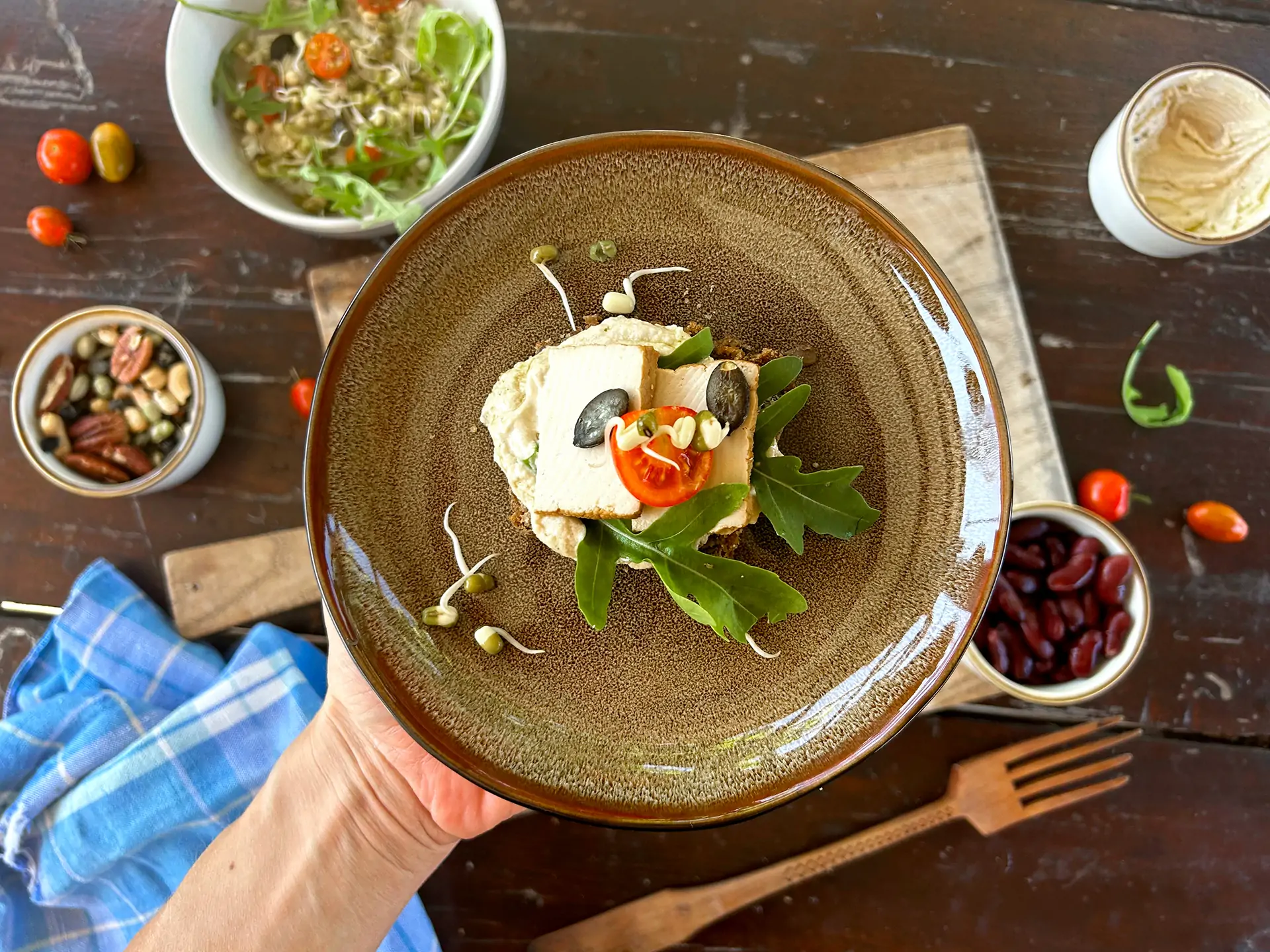
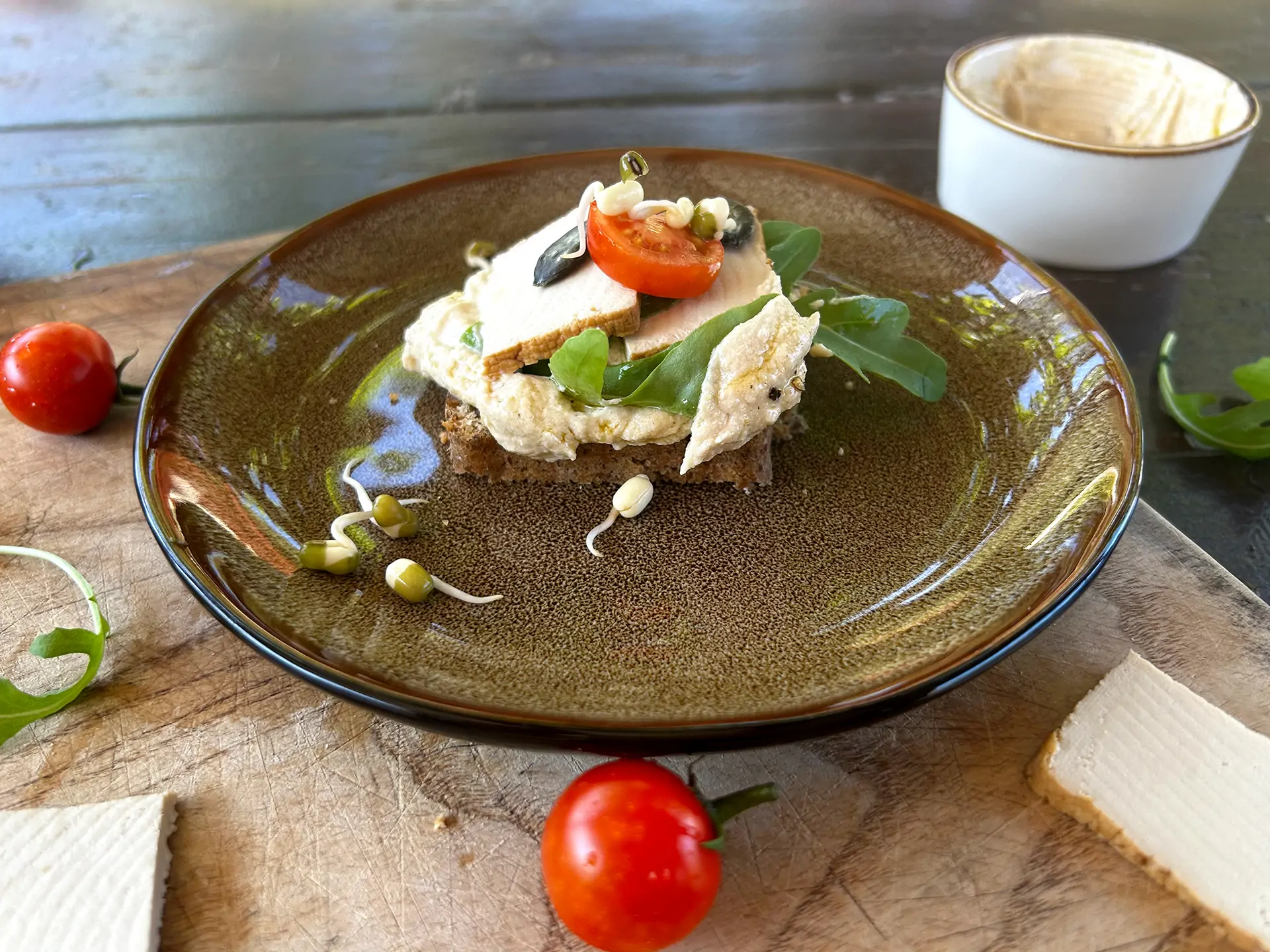
SPREAD For example, a tofu sandwich will be tastier and more nourishing if you first spread hummus or another veggie spread on the bread and then add tofu and vegetables. Chickpea or lentil hummus with spices, olive oil, and tahini is an excellent choice. You can find ideas for light yet nutritious plant-based spreads in the post: Veggie Spreads.
SAUCE A meal of rice and lentils or stir-fried vegetables with tofu becomes juicier and more flavorful when drizzled with a nourishing sauce. The one I use most often is made with tahini and lemon: tarator sauce. I simply mix tahini, lemon juice, salt, and water into a thick sauce. Add a little soy yogurt for extra freshness, herbs such as basil and mint, or, if you enjoy heat, garlic or cayenne pepper.
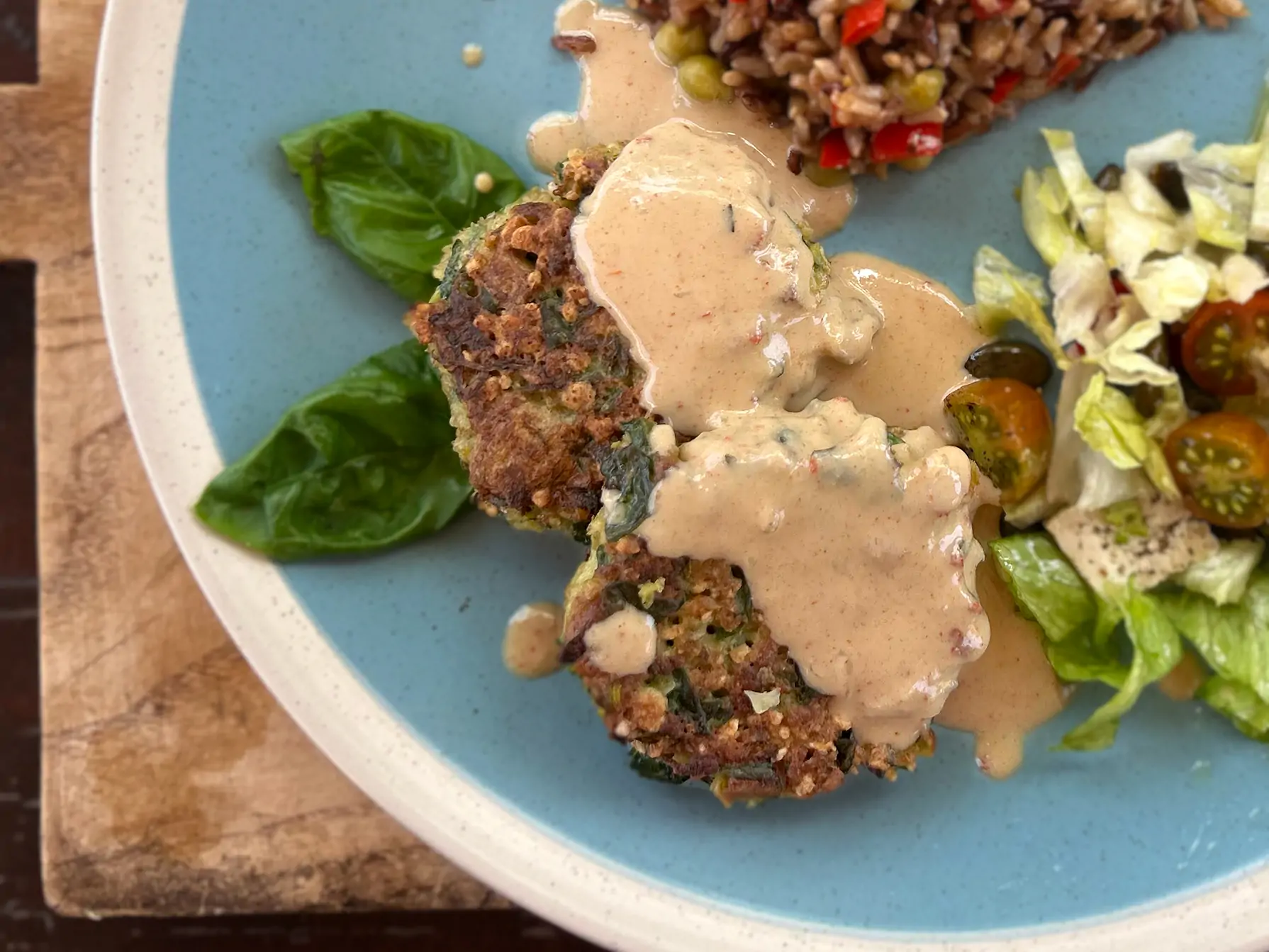
Play with freshly made sauces and spreads and give your meals a distinctive touch.
2. Protein-Rich Toppings
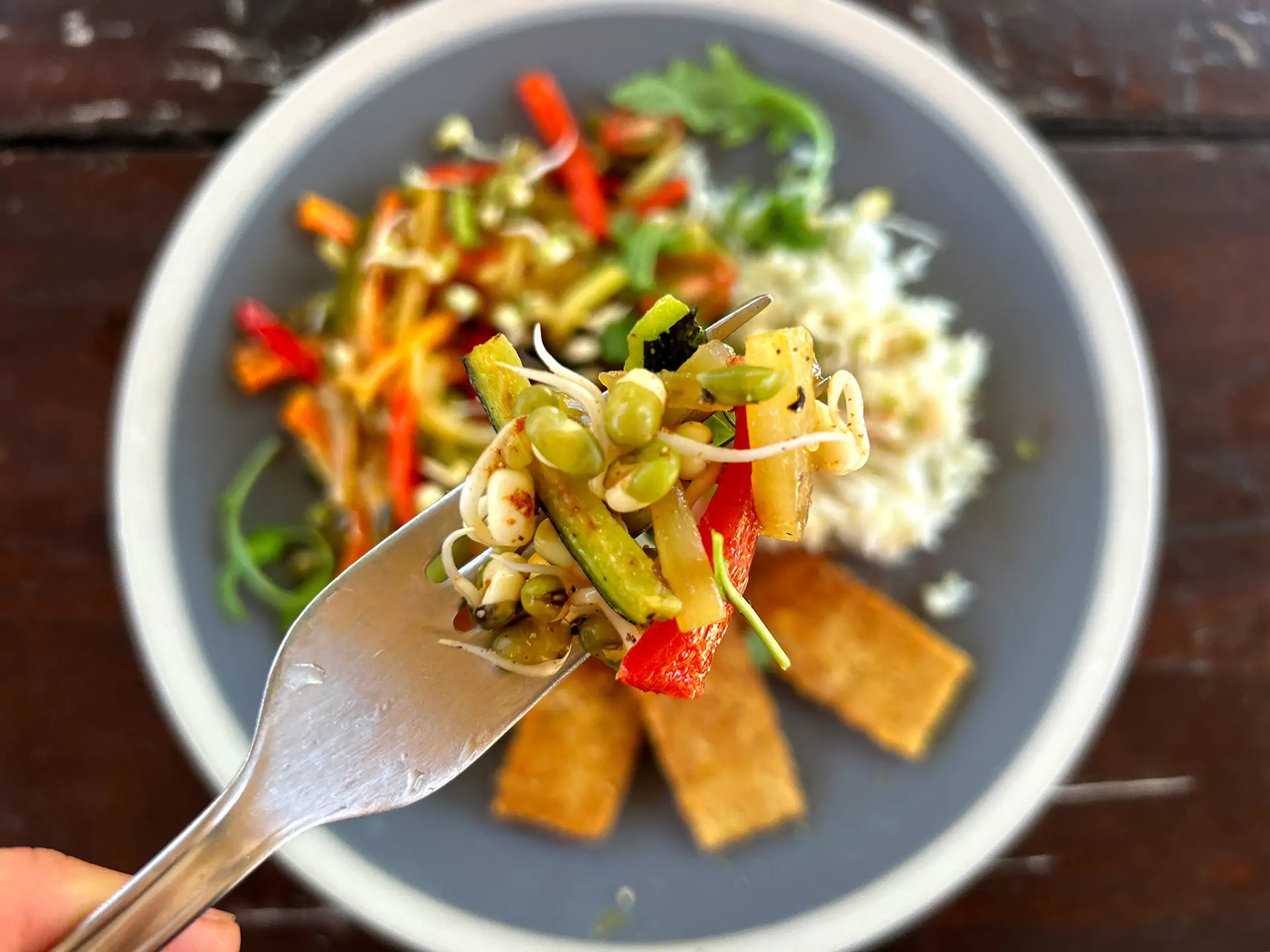
Crunchy toppings complete the composition of each bite we choose from the plate. Their purpose is to add protein, fat, and fiber, bring crunch to cooked food, and enrich its flavor. Most importantly, they help us slow down our chewing with every bite. When we pick up a vegetable, a piece of burger, or some salad with a fork, we gather a little topping too and bring everything together into the mouth for thorough chewing.
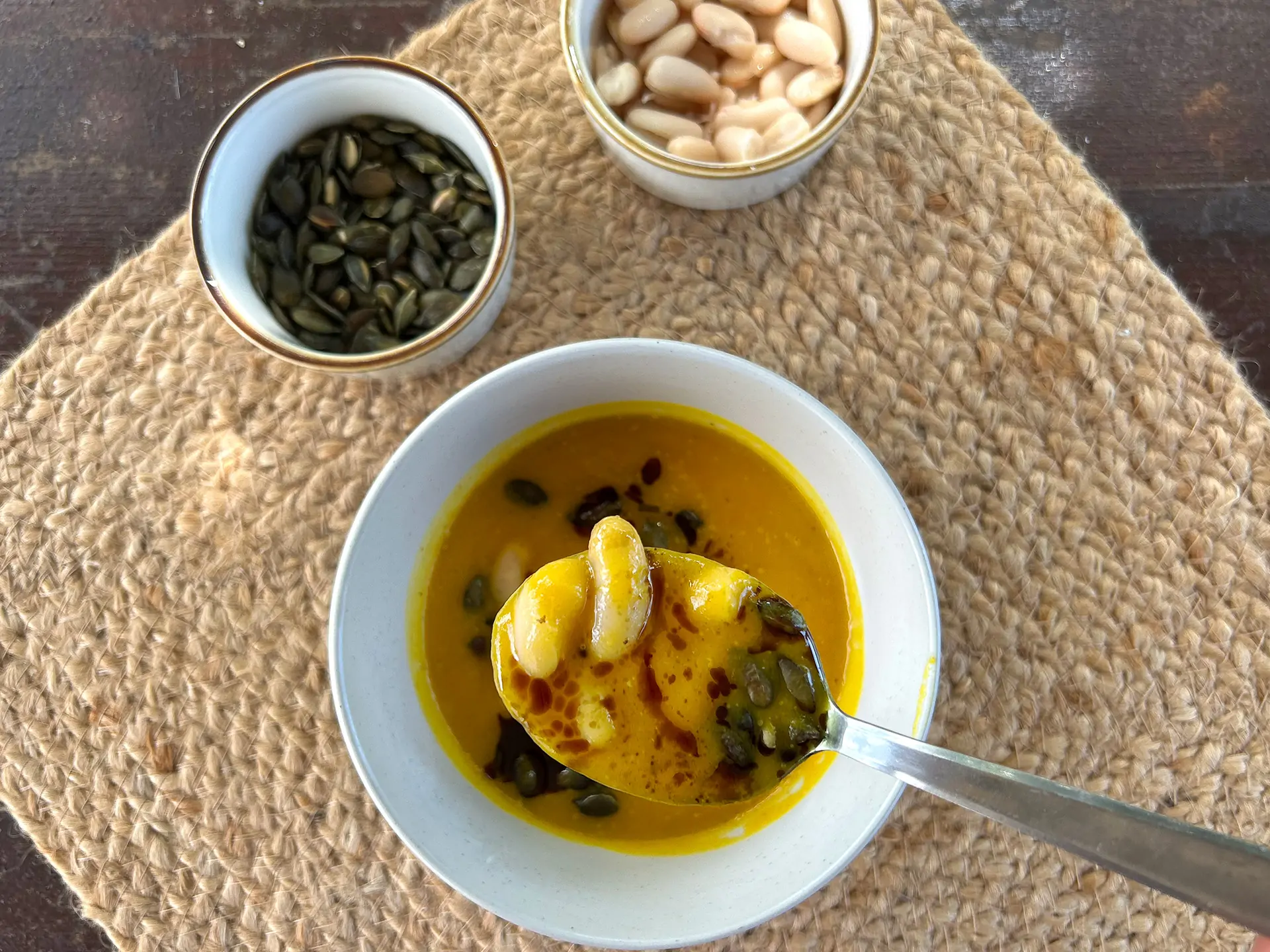
Sprinkle a meal with lightly toasted seeds or nuts, sprouts, nutritional yeast, or vegan Parmesan made from nutritional yeast, toasted ground cashews, and a little garlic powder. Crumbled tofu works too. Another good idea is to add beans to a creamy soup instead of pasta or croutons, as in this example: beans in pumpkin soup with toasted pumpkin seeds. :)
3. Veggie Burgers
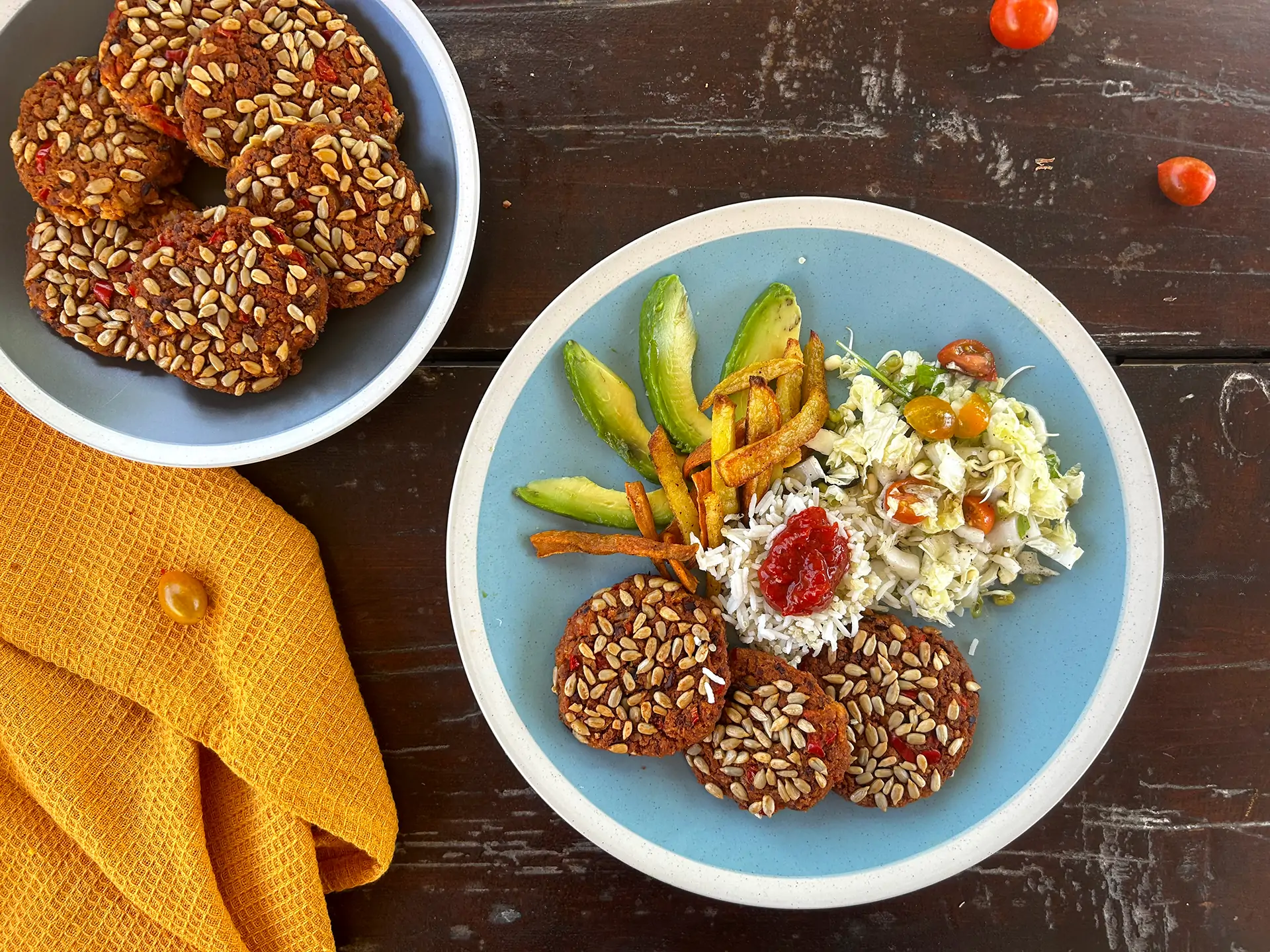
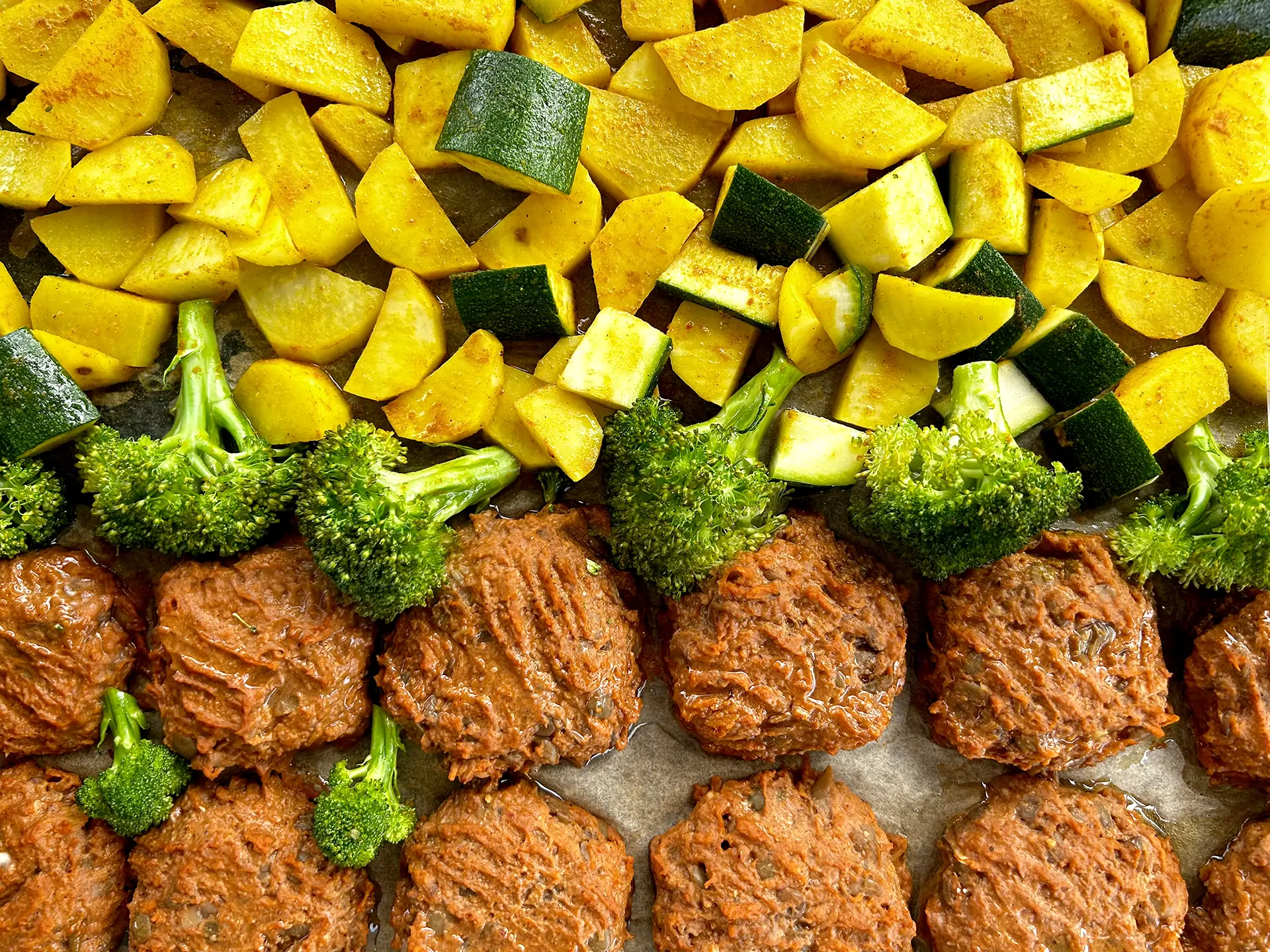
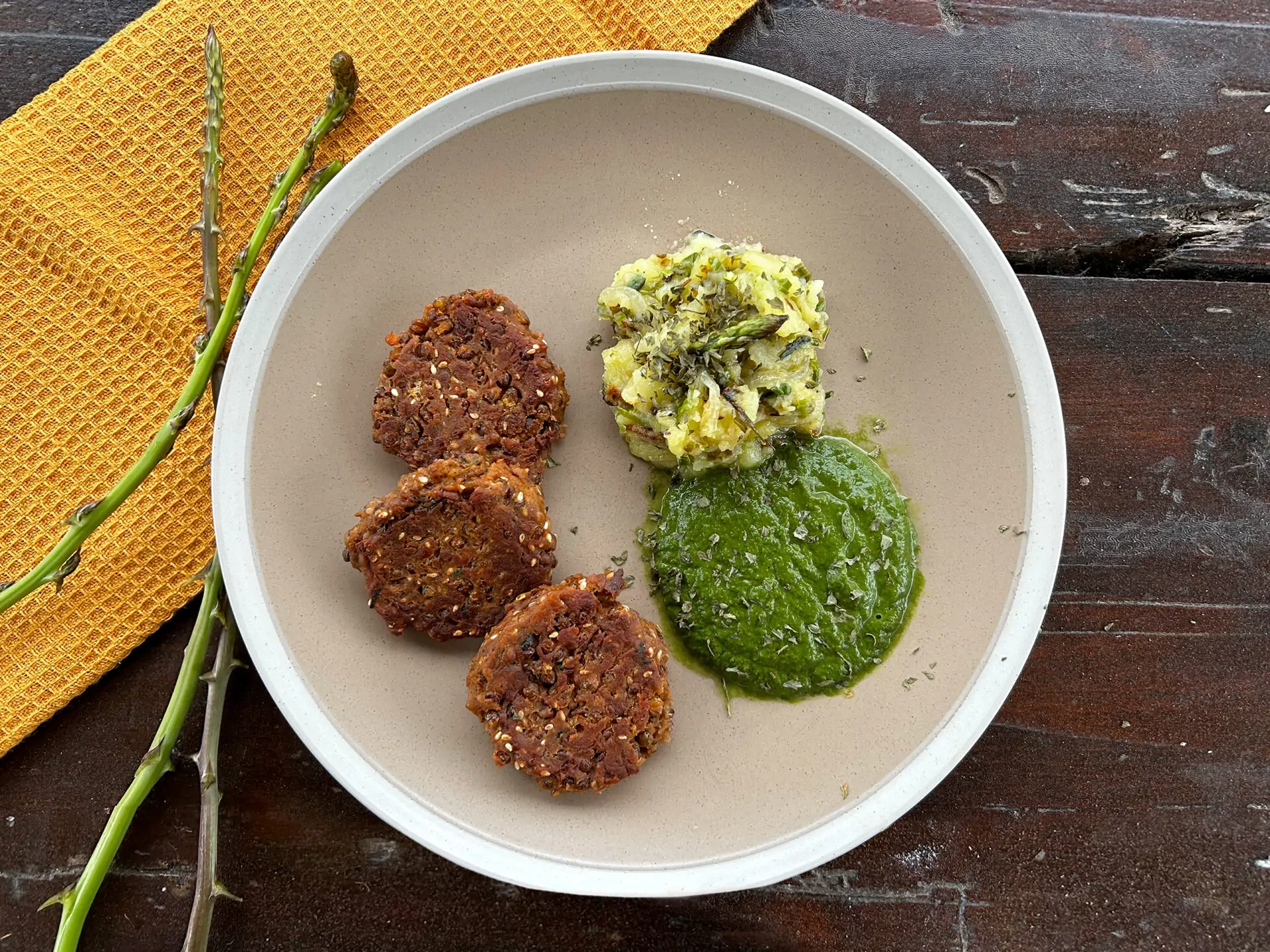
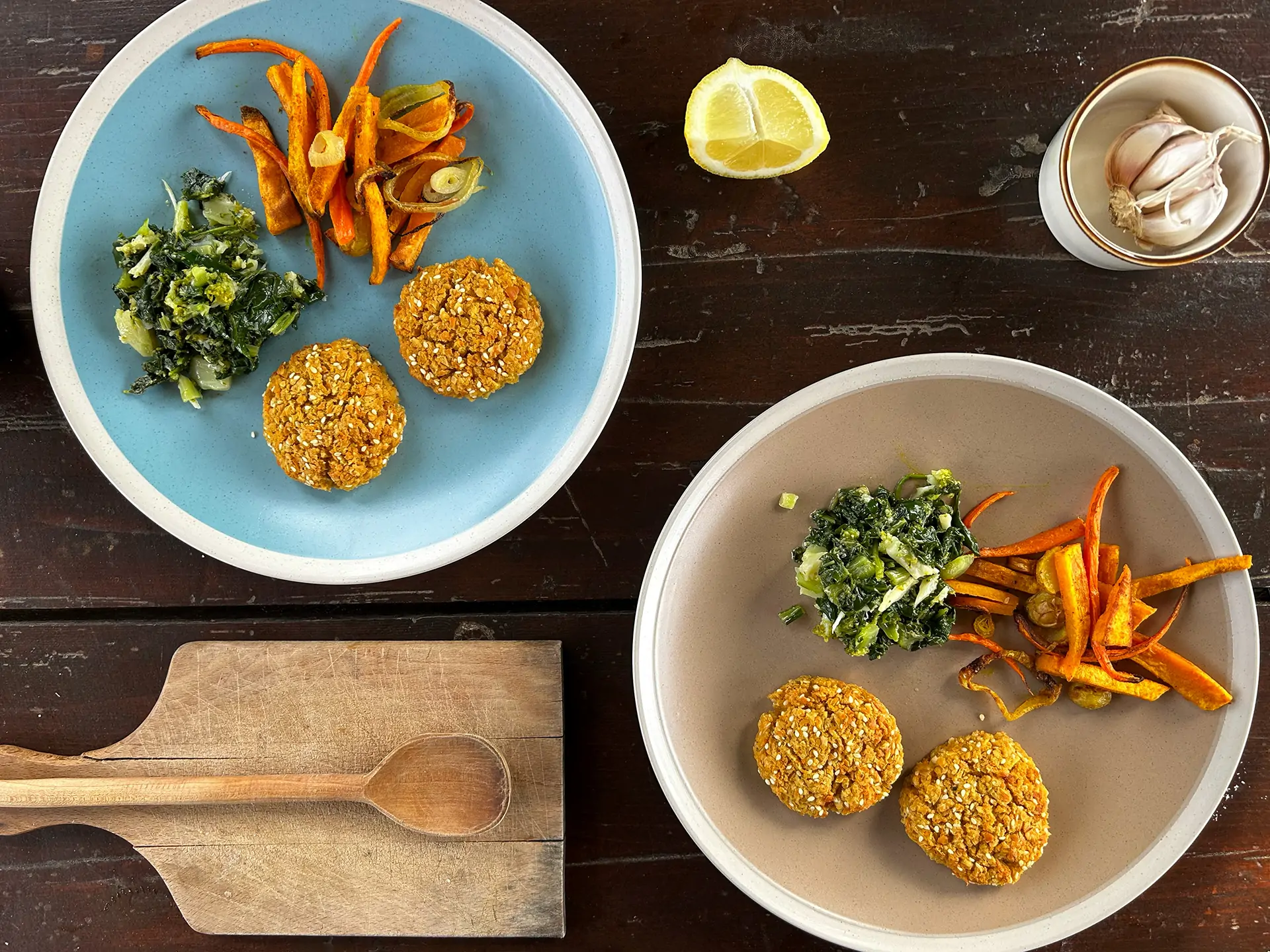
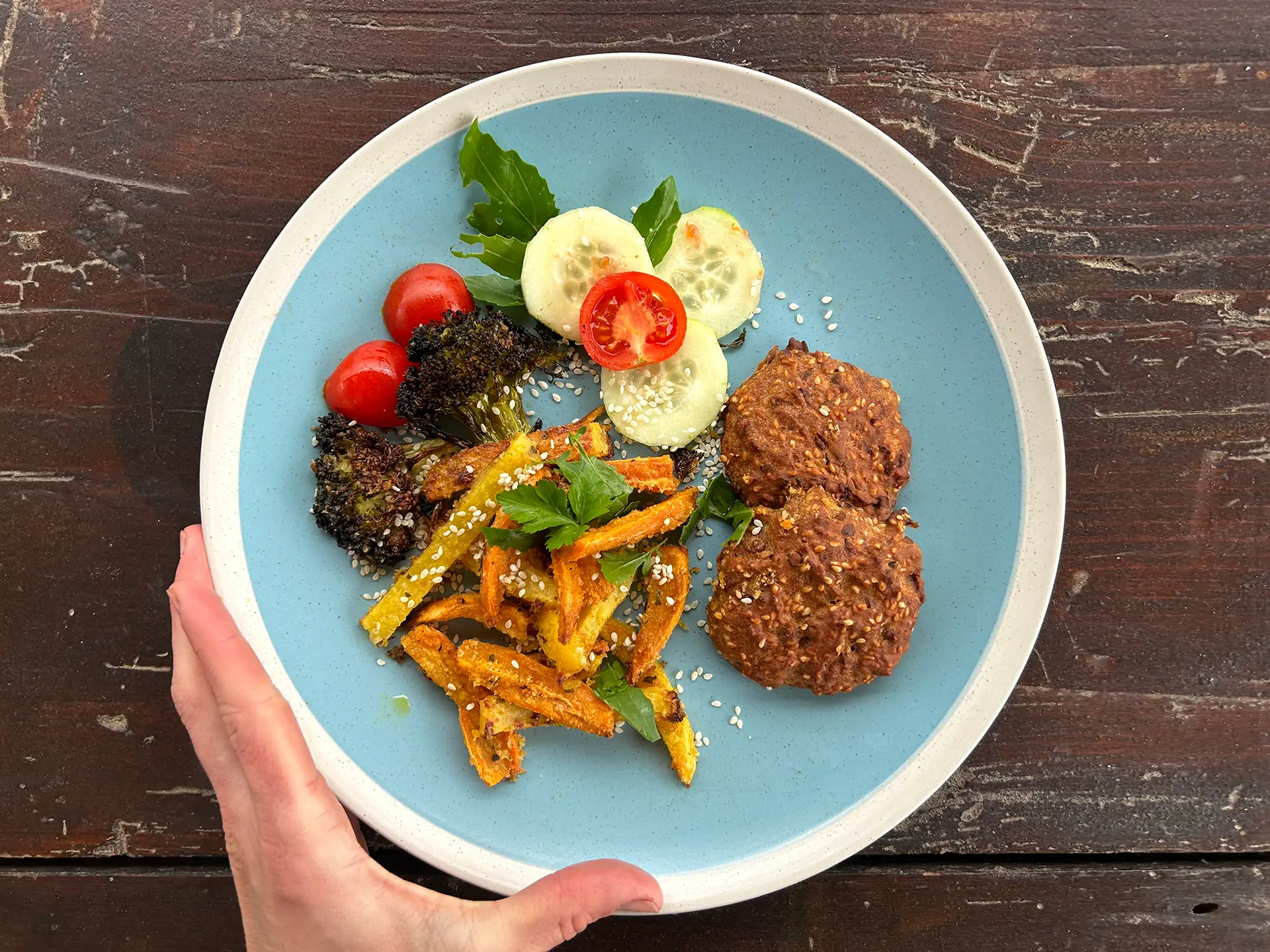
Veggie burgers based on legumes, plant proteins, and vegetables make up the protein-rich part of a meal. They are an excellent way to prepare a delicious protein option quickly, whether as the center of the main meal, for dinner, or for breakfast the next day. Instead of flour, I often mix vegan protein powder (pea protein) into veggie burgers to enrich them with more protein. In other words, rather than adding two tablespoons of flour, which is mostly carbohydrate, I add two tablespoons of pure protein. Burgers are excellent for travel and day trips because they are nourishing and easy to pack. Find recipes and inspiration here: Veggie Burgers.
4. Enrich Rice with Quinoa or Buckwheat
Rice on its own is what is sometimes called a bare carbohydrate, ornaked carbs, meaning carbohydrates that are not accompanied, or dressed, with fiber, protein, or fat. White rice is naturally more naked than brown rice, meaning it turns into glucose more quickly and raises blood sugar faster. When cooking rice, replace one quarter with quinoa, an excellent source of essential amino acids and fiber, to slow the absorption of the rice’s starch. For the same reason, we also add a little olive oil or another good-quality oil to cooked rice.
5. Protein-Rich Snacks
The desire to snack and crunch reflects a particular kind of pleasure and is not necessarily a bad habit in itself. The general guidance is to eat in meals, so constant, random snacking, for example every half hour, is not desirable. If we treat a snack as a small meal, or as the beginning or end of a meal, it can become substantial and useful. When you want something crunchy, choose savory options that are not simply naked carbohydrates. Lentil or chickpea chips with spices are a better option than plain potato chips, although carbohydrates still make up most of the former as well.
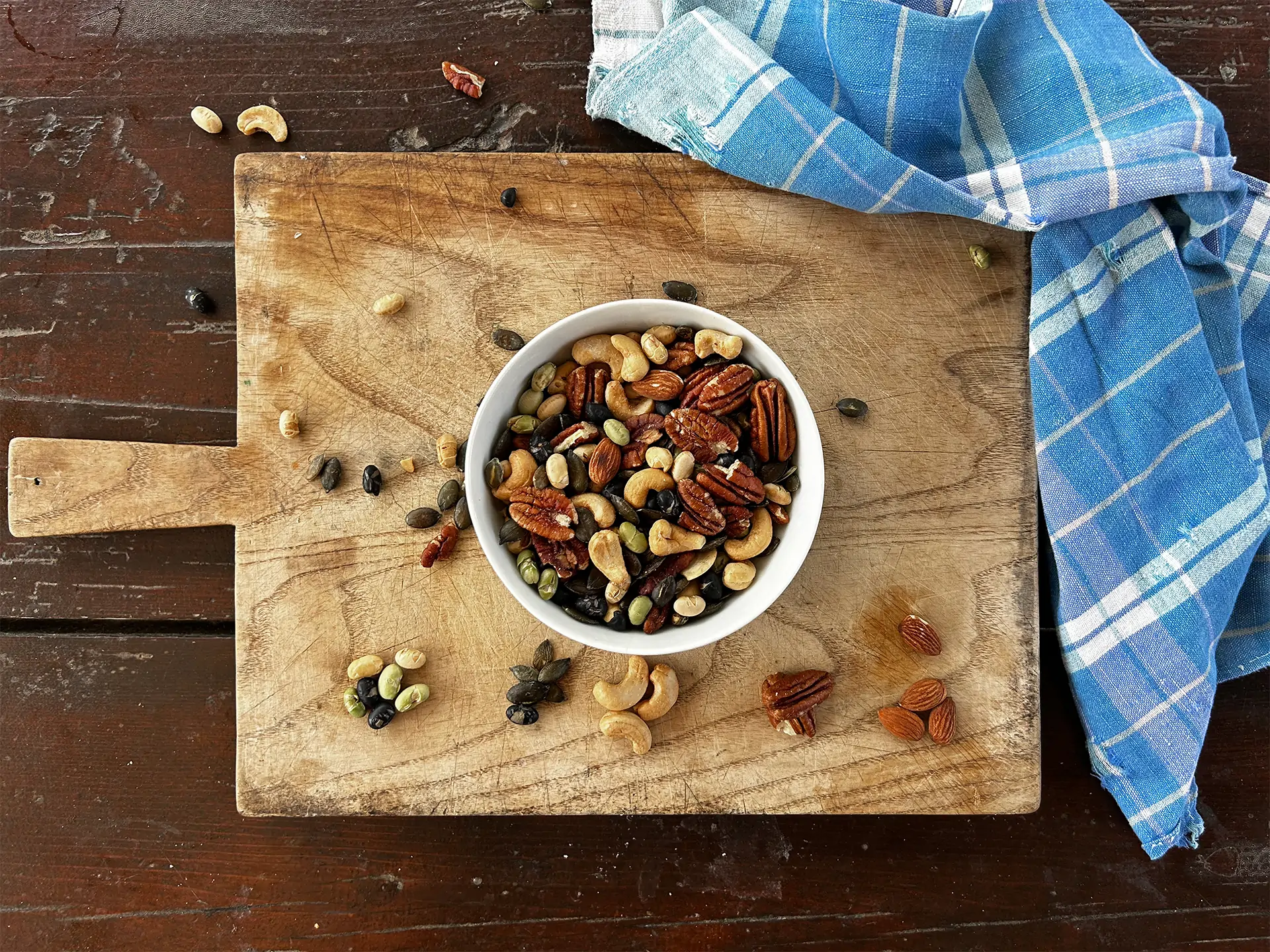
I recommend making this excellent protein-rich snack mix. I combined dry-roasted soybeans, toasted pumpkin seeds, roasted and salted cashews, walnuts, and roasted almonds. This mixture is naturally filling and calorie-dense, so enjoy it slowly and chew it thoroughly.
6. Vegan Protein Bread
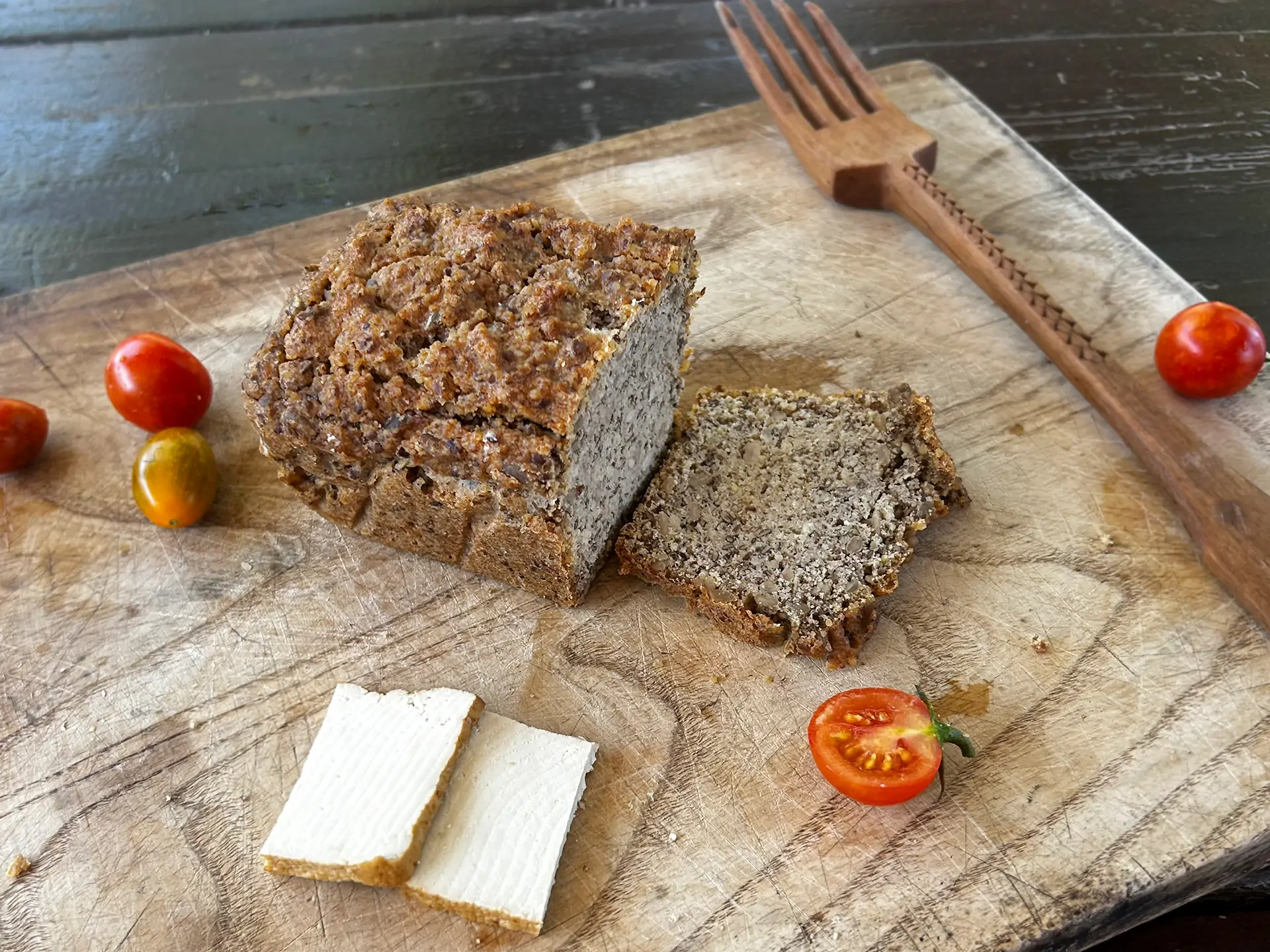
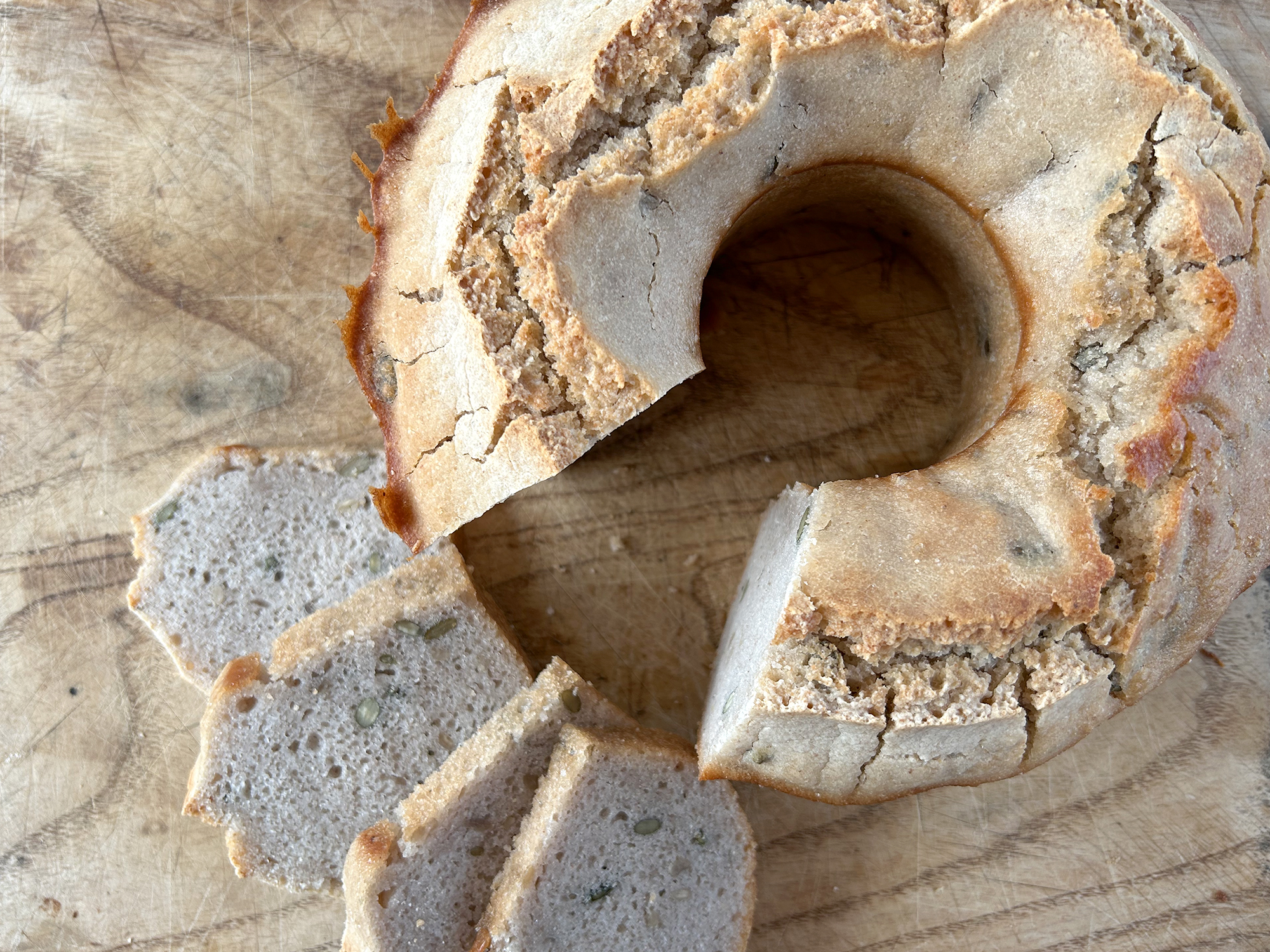
A strictly keto bread contains very few carbohydrates. That is not our goal here. Instead, we aim to enrich a meal with protein by making each part of it protein-rich. Spread hummus on vegan protein bread and add a few cucumber slices, and you have a complete, nourishing meal.
The main ingredients in this bread are red and green lentils and millet. Combining legumes and a grain gives us all the essential amino acids, making it a complete protein. The lentils and millet are also soaked overnight and throughout the day, beginning a fermentation process. Fermentation helps make nutrients easier to digest and absorb. This bread is delicious and soft, and I genuinely recommend making it. Keep it in the refrigerator after the first day because it spoils easily.
Find the recipe for gluten-free bread with seeds and a variety of grains here: Gluten-Free Bread.
I also often mix a few tablespoons of vegan protein powder (pea protein) into dough or batter for bread, cakes, and pancakes instead of using grain flour alone. This shifts the ratio of starch to protein toward a higher protein content.
7. Add Protein and Vegetables to Every Part of the Meal
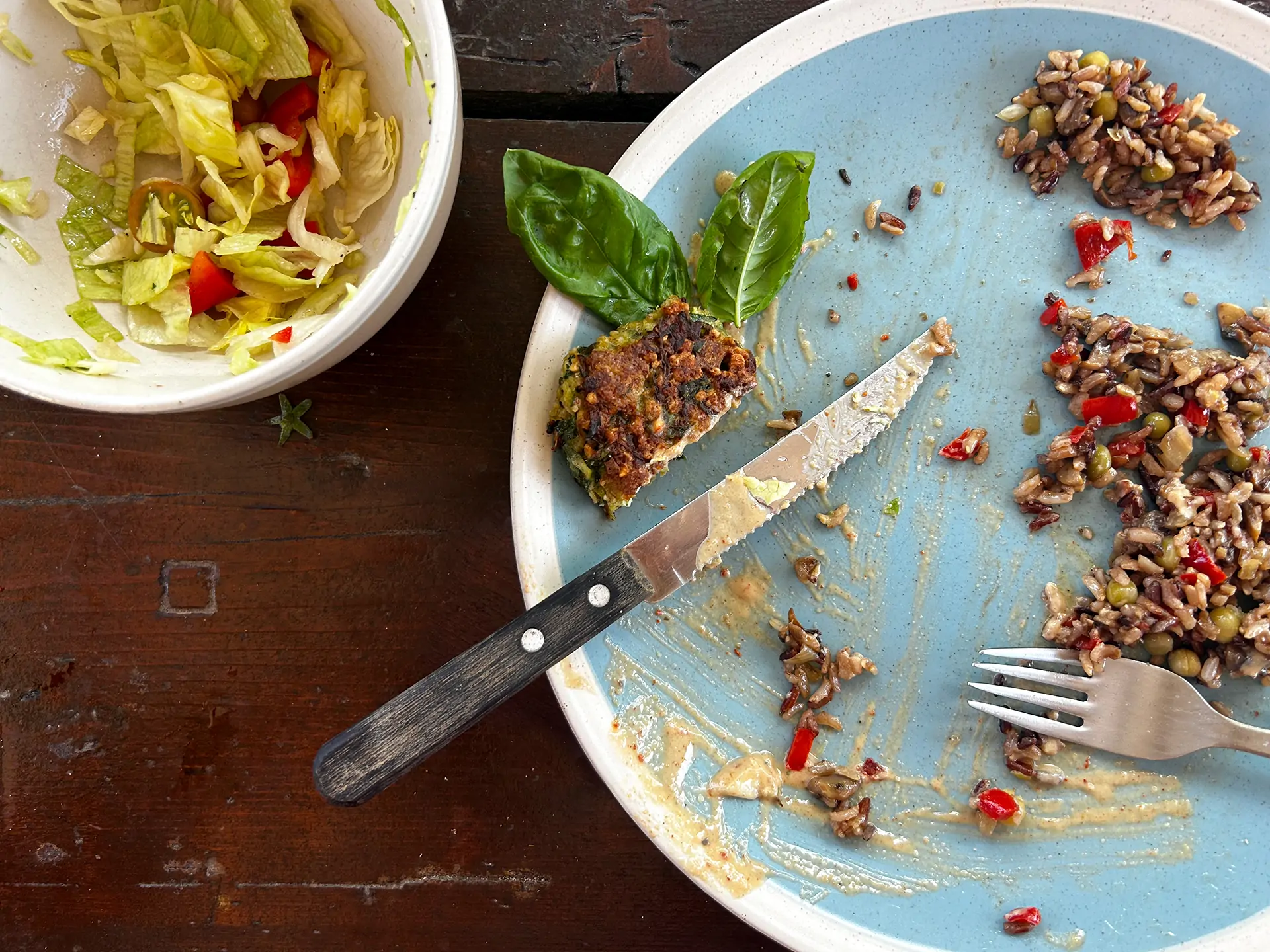
A classic lunch plate might contain meat, salad, and a side dish: protein, vegetables or fiber, and carbohydrate. With a primarily vegan diet, we can reshape this idea and add protein and vegetables to every part so that none is overloaded with carbohydrates. One example is a risotto with brown rice, mushrooms, pepper, and peas, served with burgers made from zucchini, Swiss chard, tofu, egg, and oats, alongside a salad with tofu cubes and toasted pumpkin seeds, finished with a soy-yogurt and tahini sauce. Let us look at each part of this meal.
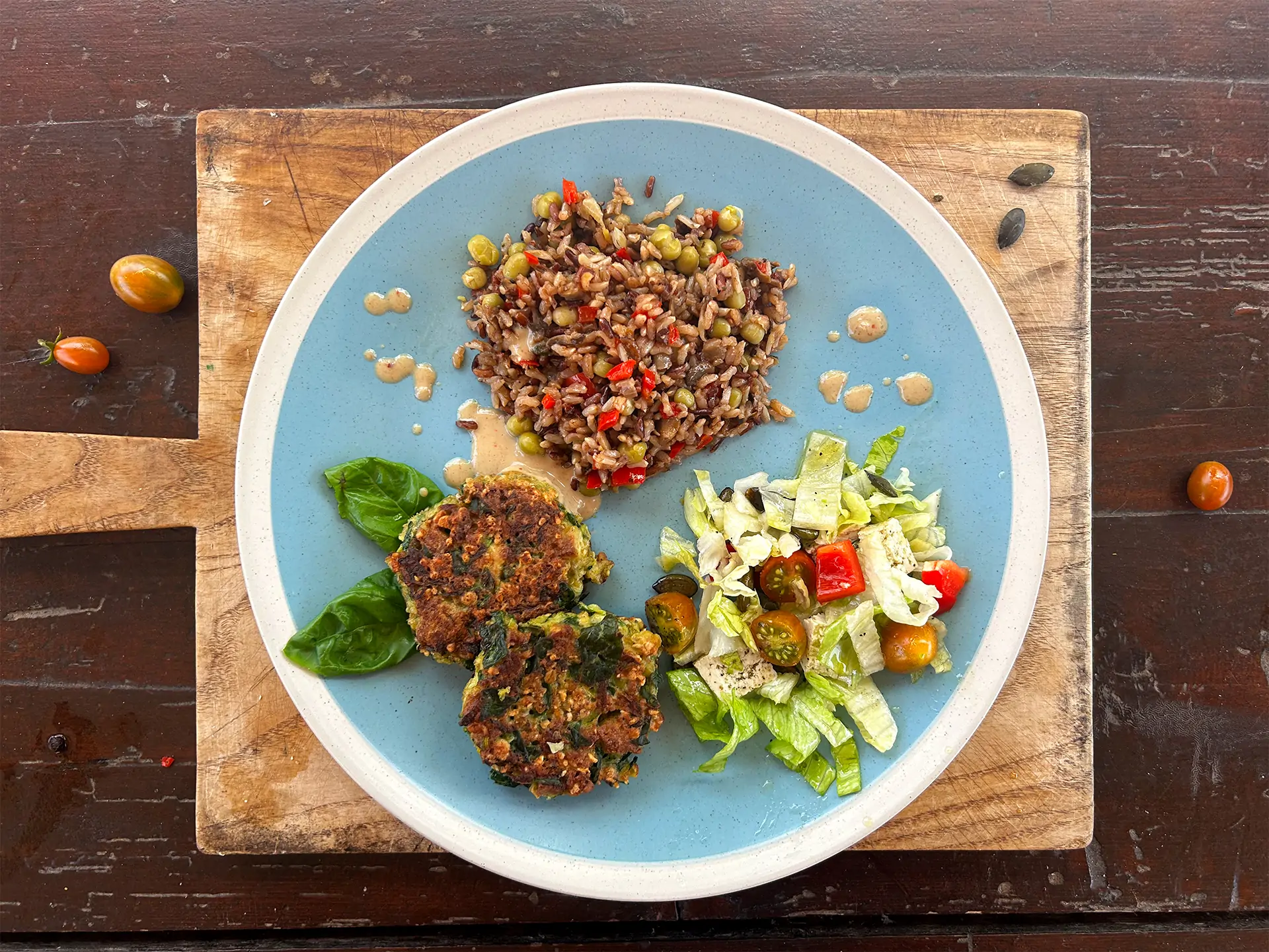
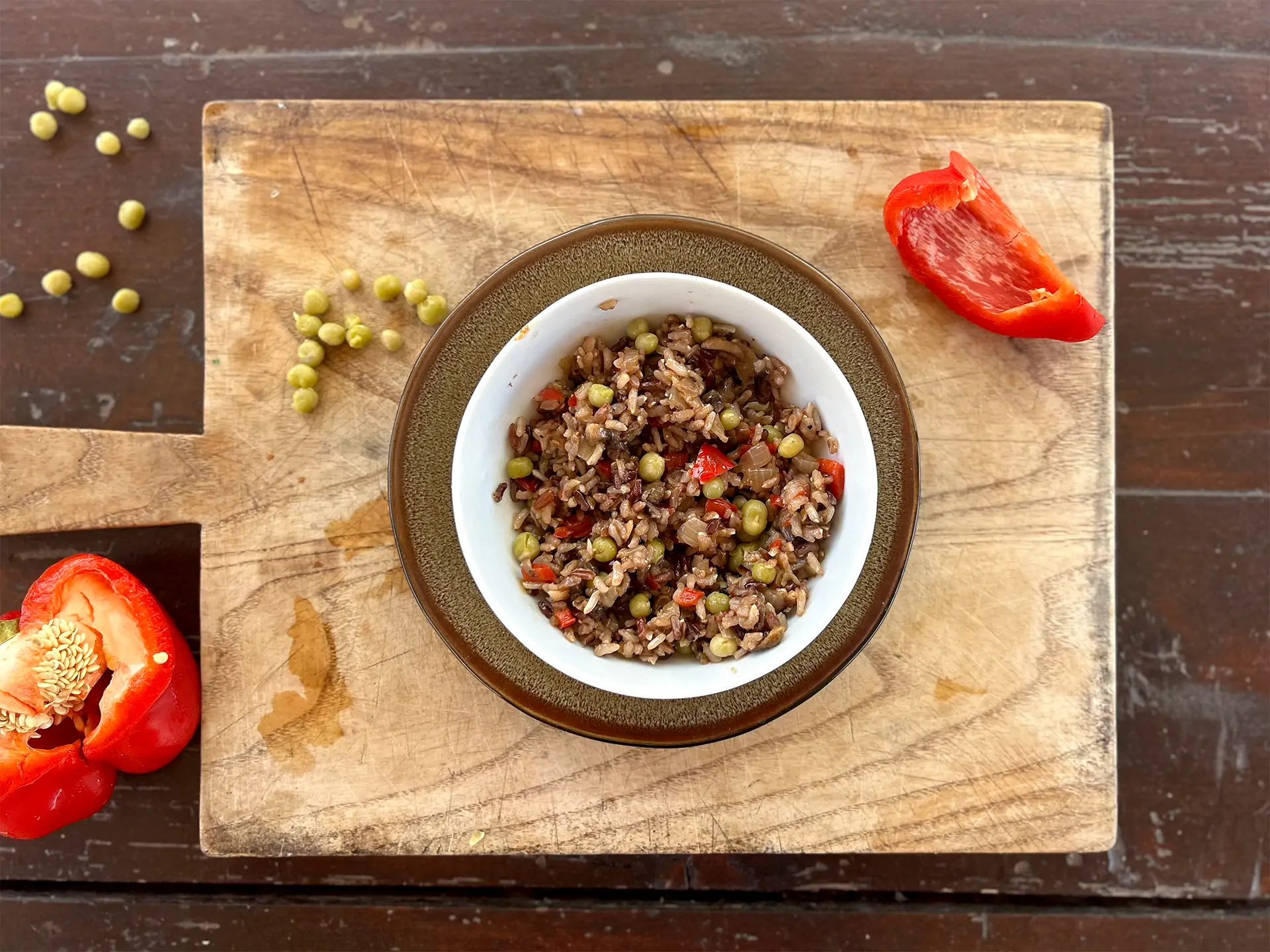
RISOTTO I soaked a mixture of brown, red, and black rice and cooked it with a little salt after several hours. In another pan, I briefly sauteed onion, mushrooms, and red pepper in oil, added freshly ground pepper and peas, and then folded in the cooked rice. The flavors are rich, and the rice is no longer a naked carbohydrate.
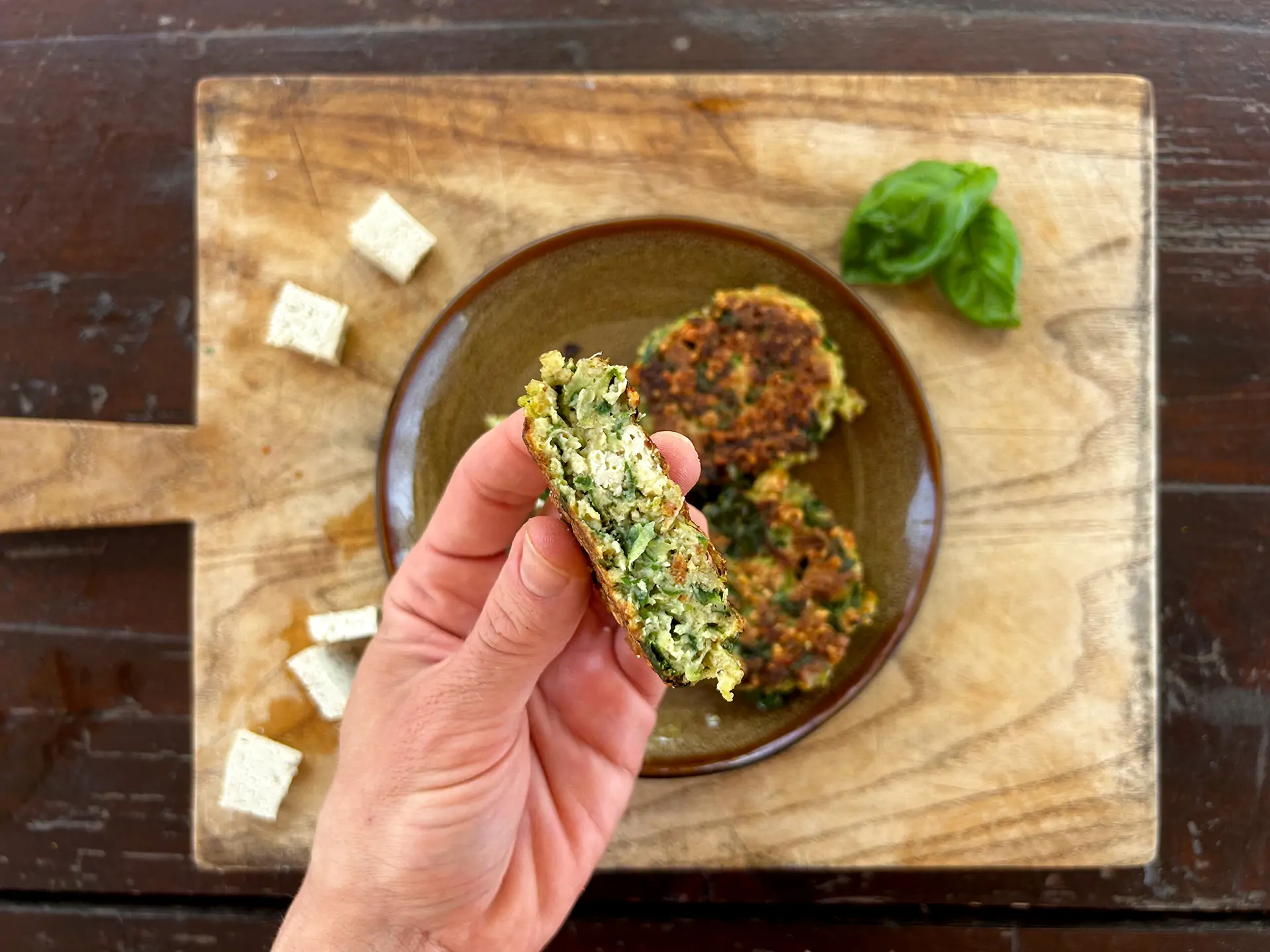
VEGGIE BURGER A burger’s main role is to provide protein, but vegetables can enrich it too. I often return to this variation. The base is grated zucchini and finely chopped Swiss chard leaves, combined with eggs, diced tofu, three tablespoons rolled oats, one tablespoon buckwheat flour, two tablespoons nutritional yeast, garlic, and olive oil. I mix the ingredients and let them rest so that the oats can absorb the moisture. Cook the burgers in a pan with a little oil or bake them on baking paper in the oven.
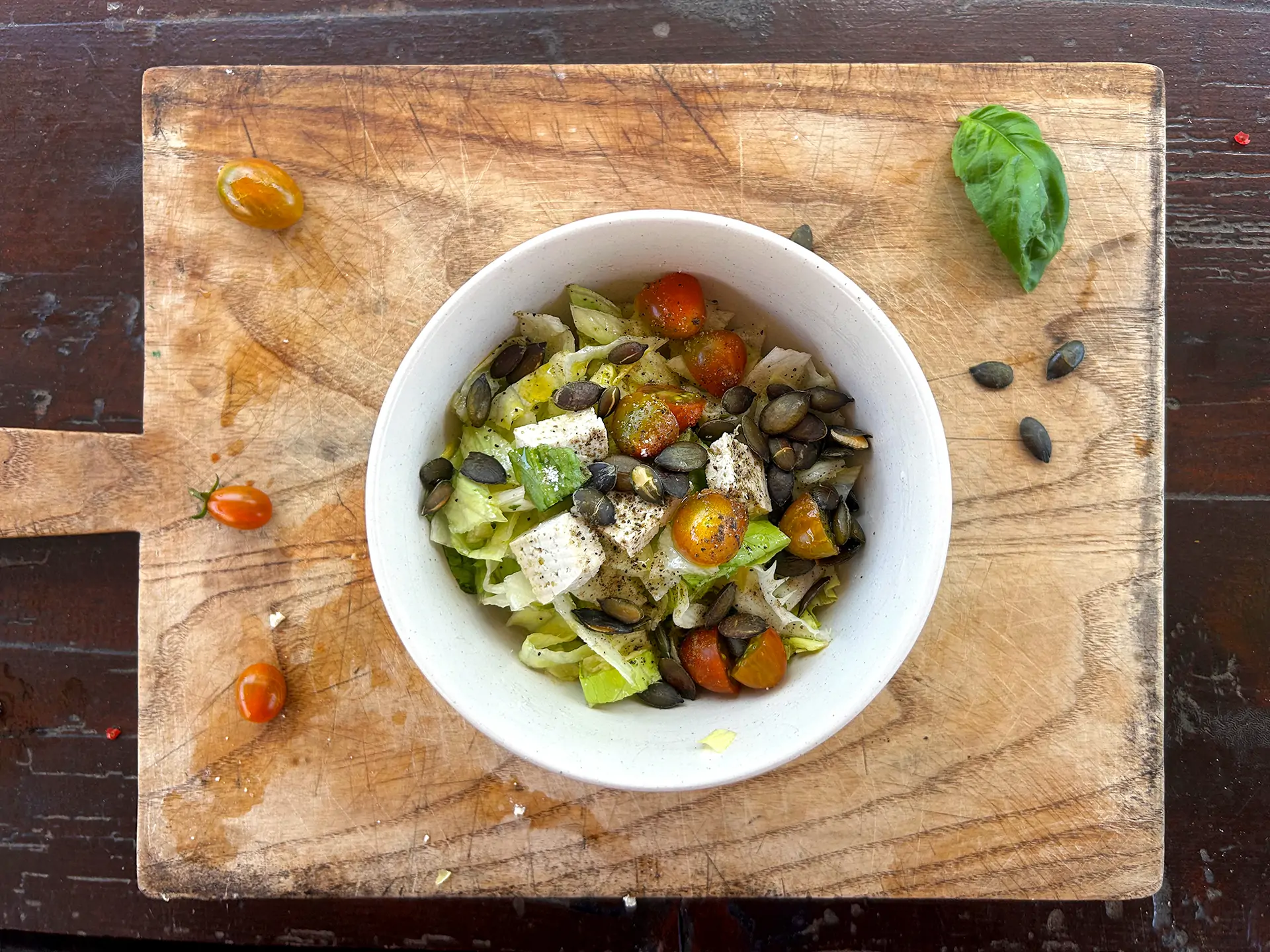
SALAD Salad is a little bundle of vegetable happiness that enriches a meal with fiber, vitamins, and minerals. It can also provide protein when we add beans, chickpeas, or, in this case, diced tofu. Toasted pumpkin seeds contribute additional protein, fat, and fiber. For the dressing, I use only a little olive oil, apple cider vinegar, salt, and pepper because everything else already has so much flavor. This kind of salad is delicious, crisp, and satisfying.
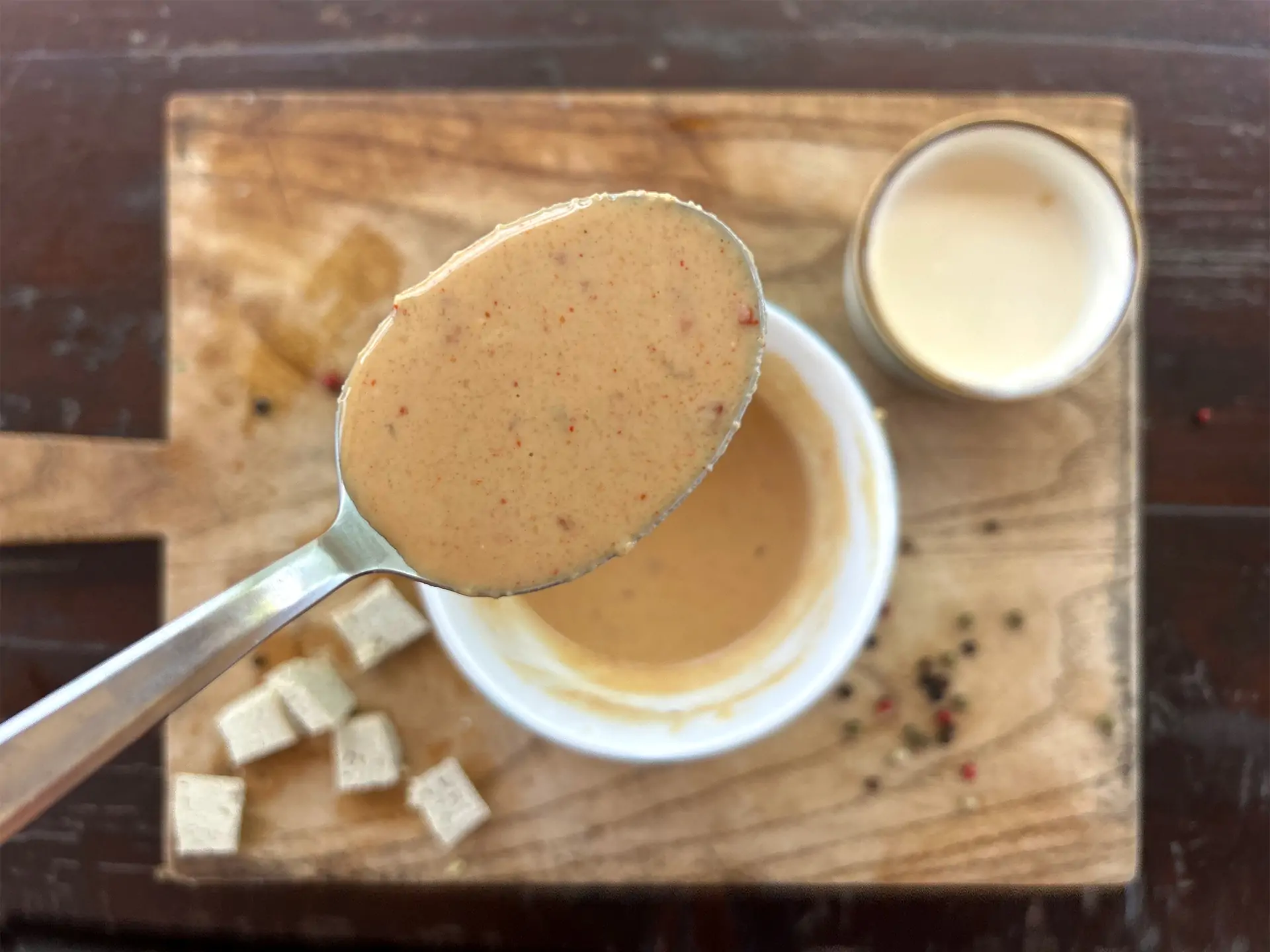
SAUCE All tahini sauces are delicious, and this one is even more playful because I mixed in soy yogurt, soy sauce, a little harissa spice, and, of course, a few drops of lemon juice. The sauce gave the burgers and rice freshness, juiciness, and a little heat. It is a valuable nutritional addition to the meal in its own right.
The meal is delicious and full of flavor, satisfying the palate, stomach, gut, heart, spirit, and body.
Although every part of the meal contains added protein and fiber, I still ate the salad first, following the guidance in Glucose Goddess: the veggie hack and eating food in the right order , which suggests that vegetables at the beginning of a meal help line the gut with fiber and slow the absorption of glucose into the bloodstream.
Conclusion
Explore these suggestions for adding more protein and fiber to your menu and feel confident that a vegan diet can be healthy and complete. These ideas do require a little more involvement and time in the kitchen, but once you find your rhythm, thinking through each step becomes natural. Sprouts can be growing while hummus is blending and veggie burgers are being prepared for the oven. Lightly toasted seeds, spices, and protein-rich snacks can always be ready to use. Choose fresh organic vegetables where possible, prepare legumes and grains freshly, and enjoy playing with combinations and flavors.
Be joyful and creative, and let food be your medicine. Enjoy your meal!
After meals like these, we remain mentally alert, ready to work and solve problems, with energy for the rest of the day.