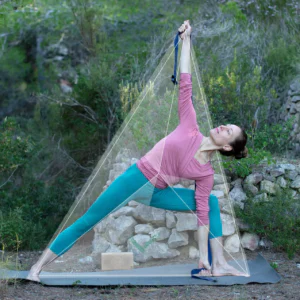
Integration
Number and Duration of Yoga Lessons:10 recordings • total 8 h 35 minIncludes: 75 min, 4 x 60 min and 5 x 40 min
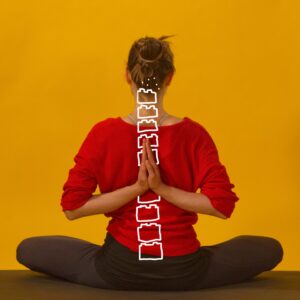
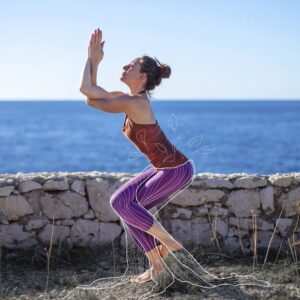
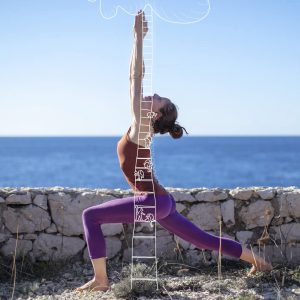
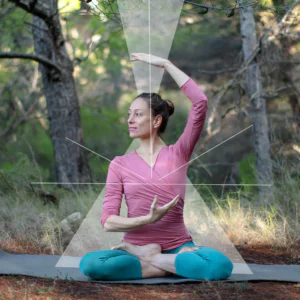
Building bodily stability through balance and precise motor control. Integrating the whole body through the central channel of the spine and its centre of gravity.
It's possible to order a single yoga lesson from this bundle.
The Tena Yoga Method
How I guide this package
Every class in this package has a clear intention. I guide you through the pose, attention, and breath so you understand what you are doing and find your own balance of strength, mobility, and ease.
More on the lessons

YOGA FOR THE BACK
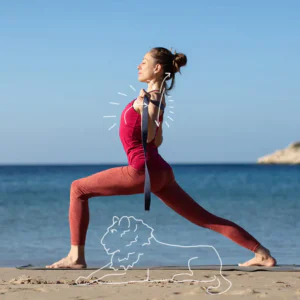
We integrate the entire body through its central channel, the spine, and through its centre of gravity. We build inner strength by connecting the kinetic chain. One part of the body takes the role of stabiliser and helps balance the whole while the rest performs a targeted movement. We practise stability exercises for precision in fine motor control: slow transitions between asanas, for example, or movement from stable poses into balances such as Warrior I into Tree pose. We explore asanas that improve balance, asymmetrical positions, inversions and unfamiliar movements. We build new neurological connections and improve the body’s motor skills while strengthening the muscles along the back, abdomen, arms and legs. Building stability and bodily integration through balance and precise motor control.
Mindful journal: sail into the unknown and allow yourself to feel the edge of your comfort zone. Move beyond the sameness of everyday life and place your body and mind in a different perspective.
Yoga therapy for:
- spinal health
- connecting the kinetic chain
- stabilising the spinal muscles
- back mobility
- strengthening the body’s muscles
- lower abdominal strength
- upright posture
- lordosis and lower back pain
CONTENTS OF THE RECORDING PACKAGE
INTRODUCTORY TALK AND YOGA CLASS ON THE MONTH’S THEME – 75 MIN
INTEGRATION
In the introductory talk, I explain what integration is and how the concept serves our practice. I introduce terms such as centre of gravity, kinetic chain, movement control, motor precision, and joint stabilisers and mobilisers. You probably know these ideas already; I clarify them and place them in the context of what we do. I also introduce the concept of integration as it is defined in Mindfulness meditation.
After the talk, I introduce practices through which we can experience these principles. We move slowly through weight-transfer and balance exercises precisely so that we can feel the concepts in the body. We also explore the effect of gravity and the way our centre of gravity shifts. We introduce a steady breath that connects the body with slow, purposeful transitions from pose to pose. Everything is practised with precision and full attention.
Mindful journal: Try to distinguish integration in the frontal cortex, when you can think reasonably and understand and integrate an experience, from a lack of integration, when you become reactive and act through automatic patterns. Write down situations in which you lose integration and your connection with experience.
40 MIN
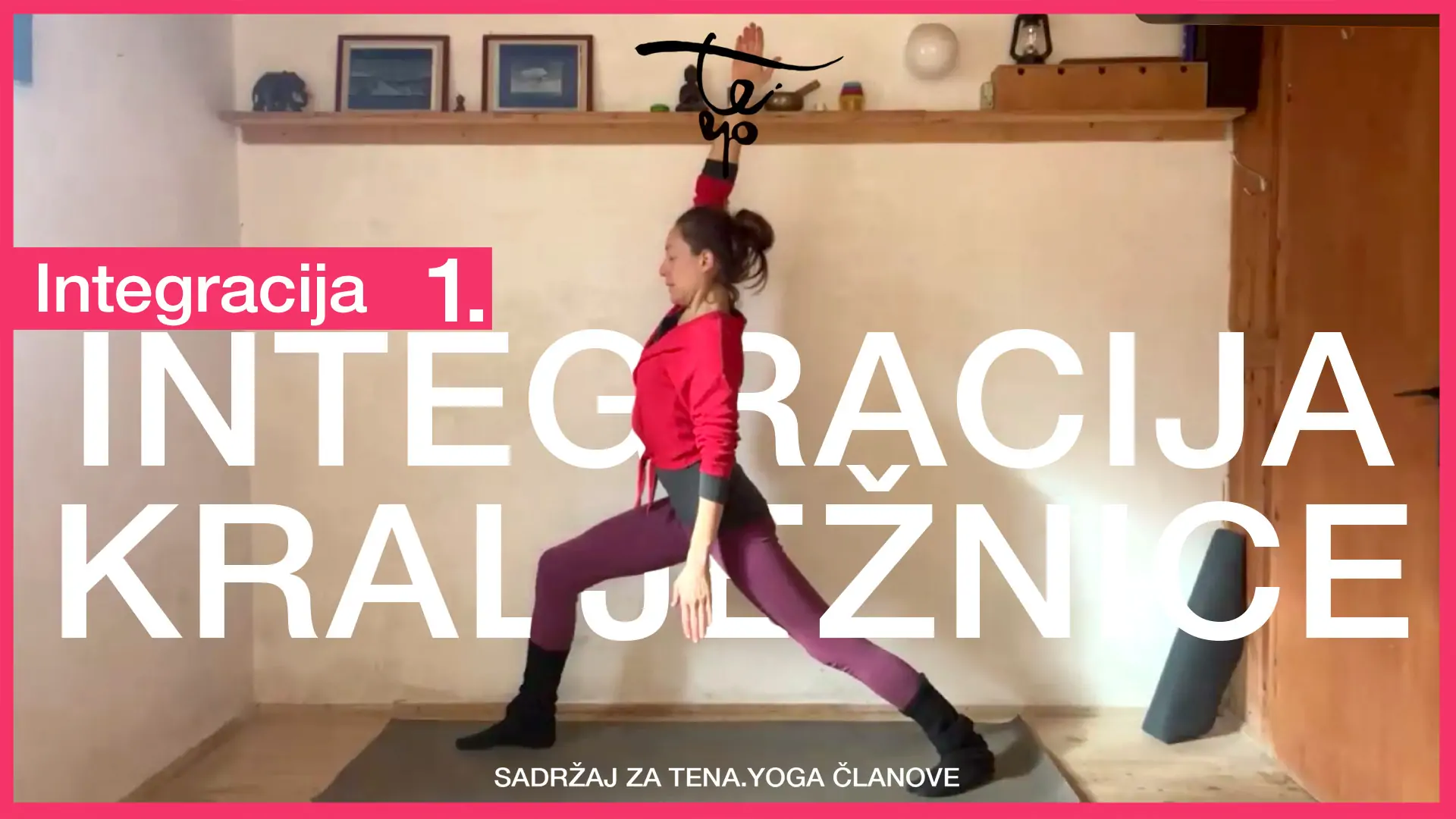
1. INTEGRATING THE SPINE
In today’s class, we practise simple, clear movements that integrate muscles along the body, connecting the work of superficial muscles with the deeper layers. We also explore movements and positions that integrate the back with the strength of the spine. The movements are simple, but do not rush. Try to feel the muscles working. What briefly feels difficult is actually useful and necessary for strengthening, so allow yourself to move the boundary of your strength a little.
We naturally finish with relaxation, when it is time to surrender the full weight of the body. Until then, we practise allowing ourselves to feel genuine activity.
Mindful journal: While practising, hold a perspective of the body as a whole and feel directly how everything within it is connected. May we grow in our understanding that everything in nature is integrated. The body is part of a whole that influences it, and also a perfect example of cause and effect.
60 MIN
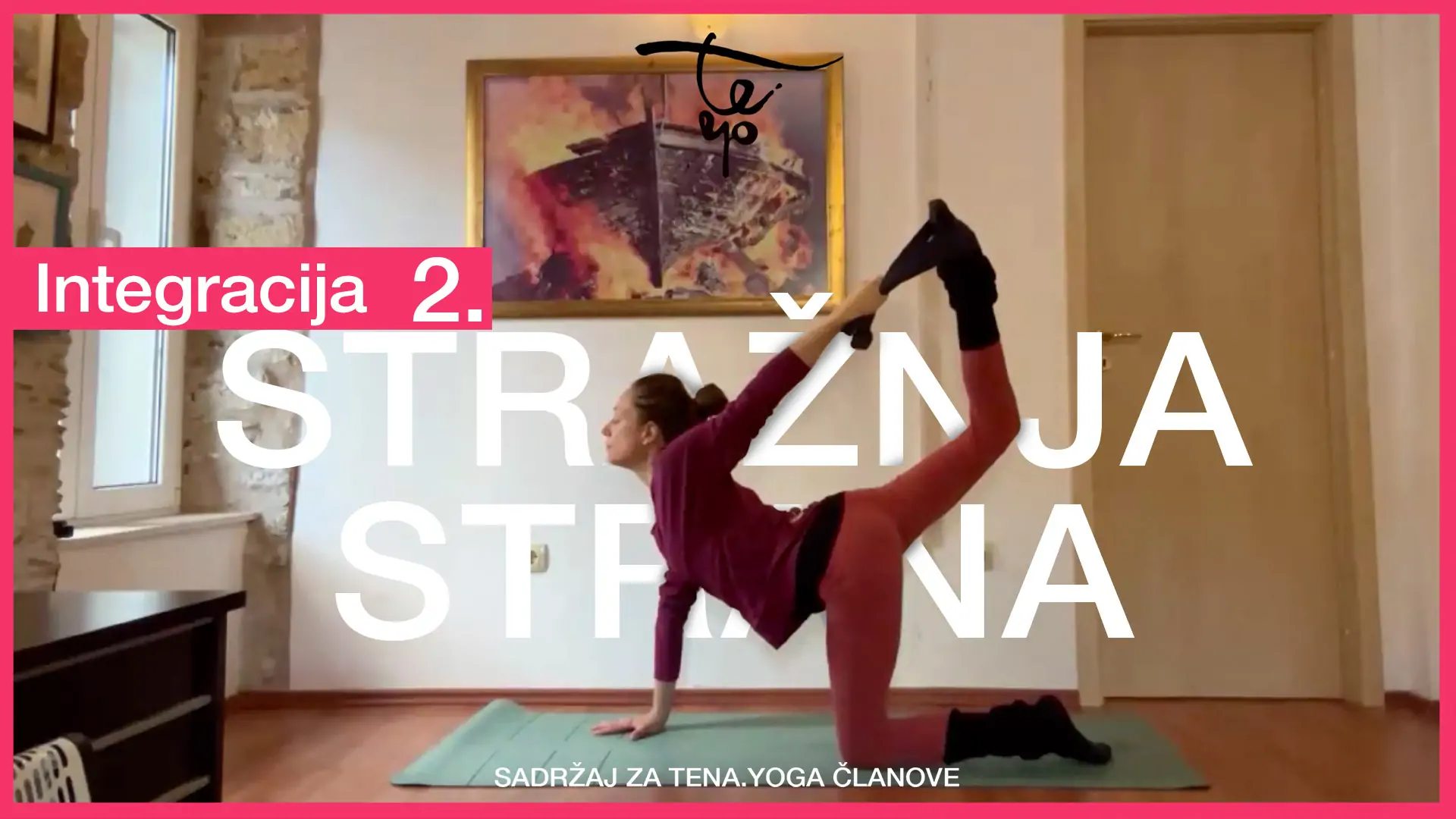
2. THE BACK OF THE BODY
Today, we play with awareness of the back of the body, integrating what happens behind us into consciousness. Through movement, we explore this space, which we use as much as the front of the body. In fact, the two are complementary: there is no change in the front plane without an opposing action in the back.
We place the hands behind the back, step backwards and connect an arm with a leg behind us, making attention at home in the back space. We also practise a set of back-strengthening exercises while lying on the abdomen and remain aware of what is happening behind us. The class includes many controlled movements and therefore plenty of steady strength.
We compare the front and back of the body with Yin and Yang, two opposing poles that participate equally in movements and positions and set one another in motion.
The body is aware of itself; it knows that it is here. Body awareness arises when we bring attention to bodily sensations without the mediation of thought. We know through what we feel.
Mindful journal: The invitation is to illuminate aspects that we hide and that crouch in darkness. This may be part of a relationship about which we do not communicate or a personal quality we do not like to touch. Simply bring light into the darkness. Write down what you feel when you touch it and what is truly there, without judgement or an expectation that it must change.
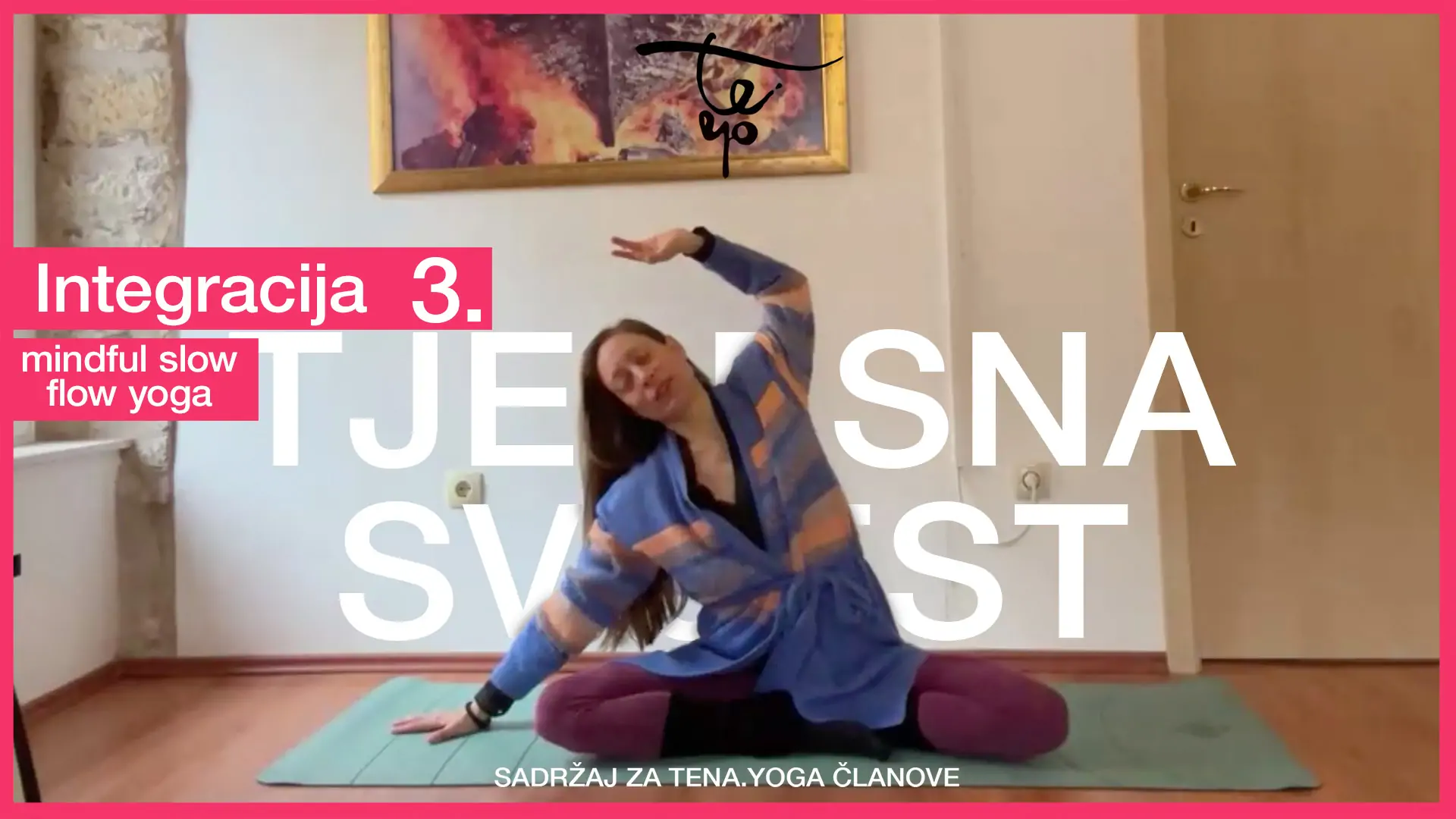
MINDFUL SLOW FLOW CLASS – 40 MIN
3. BODY AWARENESS
Close your eyes and feel your body in the present moment and in space. Body awareness is simpler than thinking. It means knowing and feeling through the body. The body is here now, and I know this through everything I feel. I feel through the body, through bodily sensations: anything and everything I can sense, in the full range of detail.
We can expand body awareness to include the entire body or focus attention on particular sensations that stand out. Bodily sensations are connected with time; they are always flowing, because everything in the body is continually in process. Observing bodily sensations means observing flow.
We distinguish the body’s inner atmosphere from the outer one and repeatedly connect with the place where these two mutually influencing atmospheres meet.
We also include everything in present experience as part of current awareness. This continues our exploration of integration, both of experiences and bodily sensations.
During the class, we meditate in this way, returning attention to the body and feeling through it.
Simple, slow movements are easy to follow with full attention. We move gently and comfortably, meditate through the body and hold several poses in which we simply observe the flow and intensity of sensations.
Mindful journal: May we feel through the body that nothing is wrong. Pain that is present is an intense bodily sensation that vibrates and changes. While we fight it, remaining in aversion and running from it, or crave for it to be different, we cannot open to it and see that it is continually changing. May we give ourselves an opportunity to see painful and dark aspects through the eyes of compassion, remain with them and integrate them into the whole of what we feel.
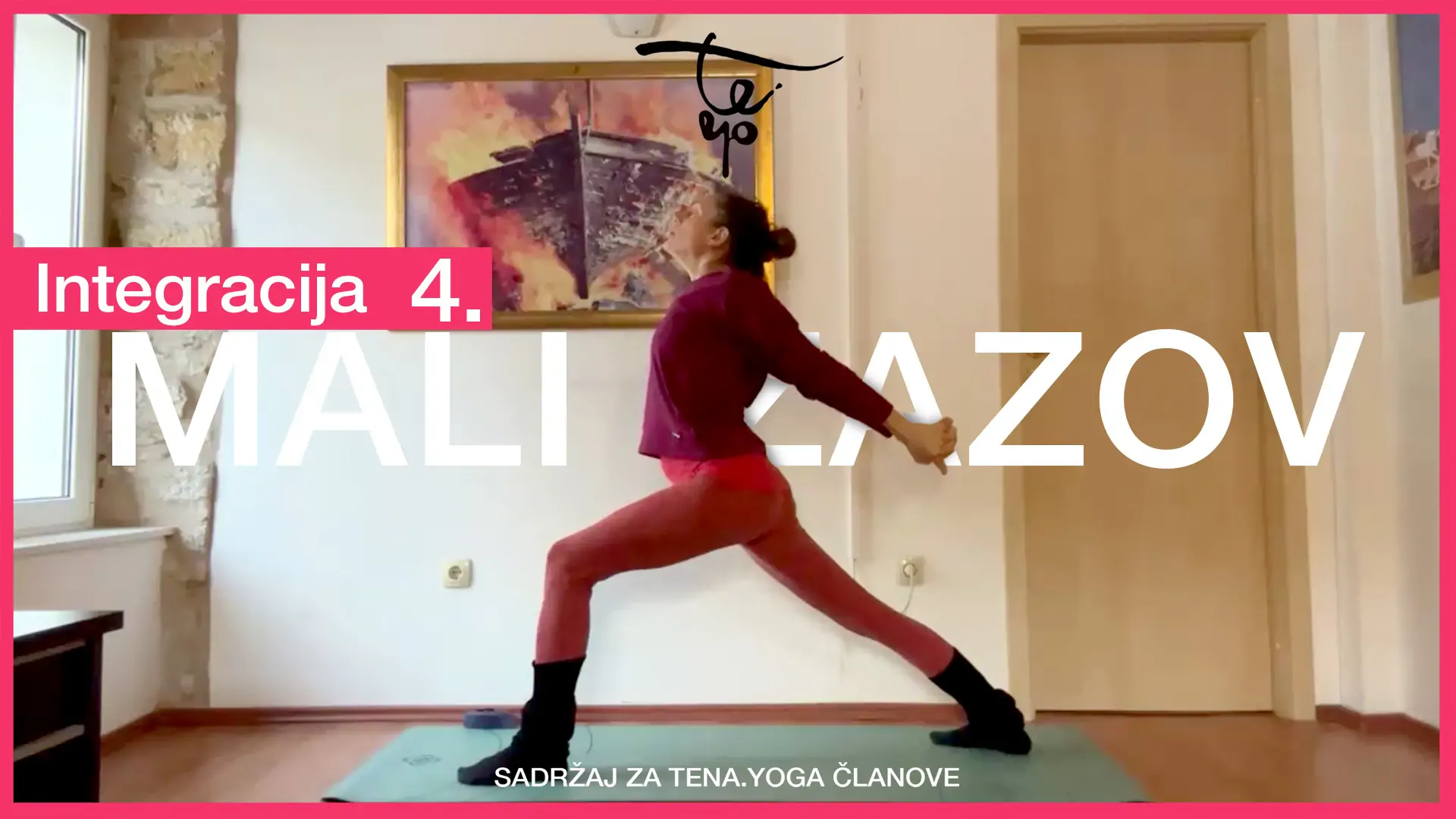
40 MIN
4. A SMALL CHALLENGE
We sit and lower attention to the breath, seeking a clear distinction between inhalation and exhalation and how each moves the body. We then practise spinal flexion and extension in Cat-Cow, connecting the directions of movement with the breath. At this stage, we learn the foundations of yogic breathing: the breath is smooth and balanced, without a pause or contraction at the end of the inhalation or exhalation. The movements become the same: fluid, even and continuous.
We continue with a warm-up and sun salutations, followed by a sequence that transitions from Warrior I into Warrior III.
This is a small challenge for coordination, strength and balance, but treat it as a game. Notice thoughts that judge or insist that it is too difficult. We then enter Warrior III from standing and form a plank parallel to the floor. Is it really so difficult? The class also contains a sequence of back-strengthening positions on the abdomen.
In Shavasana, we relax and allow body awareness to feel everything, without thought or effort. We feel that it is easy now, and notice the contrast with challenging moments when the mind began to resist and judge.
Mindful journal: Turn towards uncertainty in your life and allow yourself to feel it. Consider that behind fear there may be no danger, only conditioning. When we are afraid, we do not allow ourselves to live what needs to be expressed. Apply this prompt and thought to a concrete example and write about it.
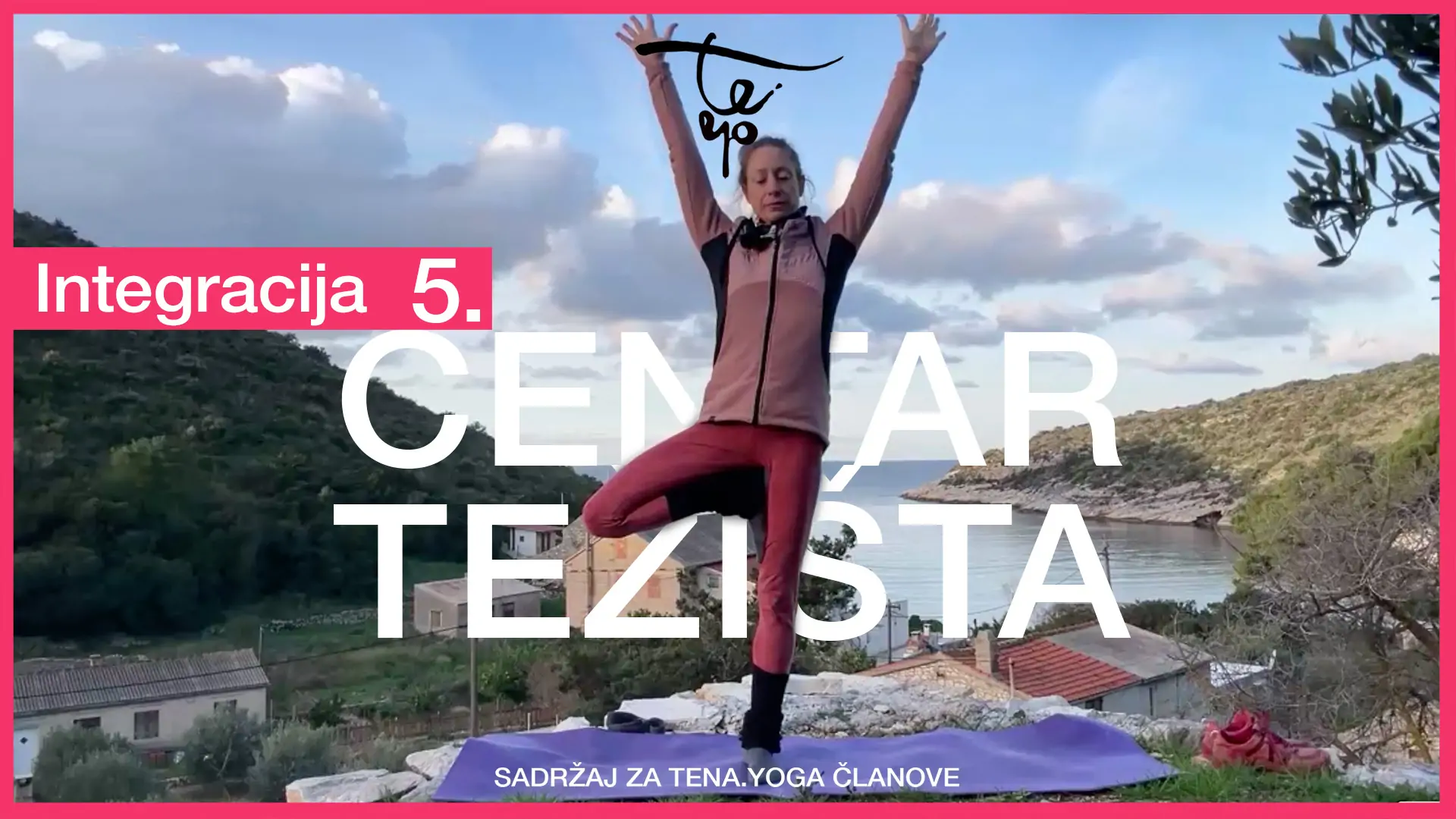
60 MIN
5. CENTRE OF GRAVITY
Naturally, one class this month had to be dedicated to the body’s centre of gravity.
The centre of gravity is located around the lower abdomen and pelvis. As we challenge it with changes of position, it shifts within this area and organises itself to keep us connected. Truly feeling our centre of gravity is a practice of inhabiting the body directly rather than thinking. Defining it is less important than feeling the centre clearly and using it in movement.
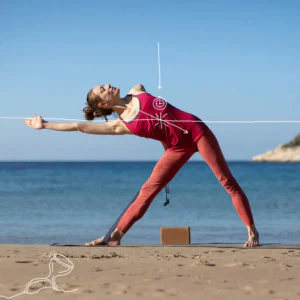
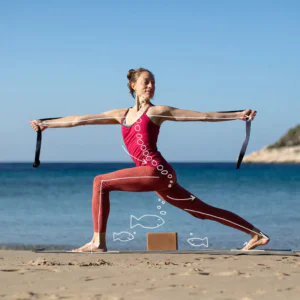
We practise sun salutations and, in Sun Salutation B, begin to open into Warrior II. From this base, we move left into Reverse Warrior and right into Parsvakonasana . If you do not know the names of the asanas, that is fine; everything becomes clear when you see me standing. In these slow transitions, keeping attention on the centre helps us feel the movement of the centre of gravity.
We practise several balance poses in which this area and the stability of the body’s centre are naturally very important. We finish with calmer positions on the floor that allow us to feel quiet breathing and slow stretching.
I hope everything is explained clearly enough for you to relax into play with the body while still following the guidance. Simply begin and you will see.
The body loves gentle movement, and comfort immediately returns us to the present moment. Maintain a measure of comfort in which the body can relax. :)
Mindful journal: The way the body carries itself, literally the posture we take while experiencing different emotions, is a lifelong field of exploration. The invitation is to notice how thoughts and emotions shape us and arrange the body so that we can carry them. Ask yourself: which posture does my body take under the influence of particular thoughts and emotions?
40 MIN
6. THE SEE-SAW
Following the previous class on the centre of gravity, today we play with a see-saw: the feeling of transferring weight across the straight plank of an integrated body. This is an exploration of weight transfer and integration. We often close our eyes to connect more fully with the body’s lines. The body becomes a plank rocking around one axis.
After sun salutations, we practise several see-saw movements from a Warrior II base and from positions with one knee on the floor. Attention remains inside, feeling how the body organises itself and connects. At the end, we relax the hips and release the body’s weight towards the floor. :)
When we become still, we can easily feel restlessness and recognise that it is part of stillness. Intense experiences capture attention and seem like the only truth, but around them we can feel a calm space that integrates the unrest. Working with the body in this way teaches us to understand and use it, and to respect the language of the body and its sensations.
Mindful journal: May we respect bodily energy without imposing what we think should be or what we have learned. The health and joy of life are found in openness and flow, not control. Through the structure we offer the body in these practices, may we learn to listen to it and honour things as they are rather than needing to change them immediately.
60 MIN
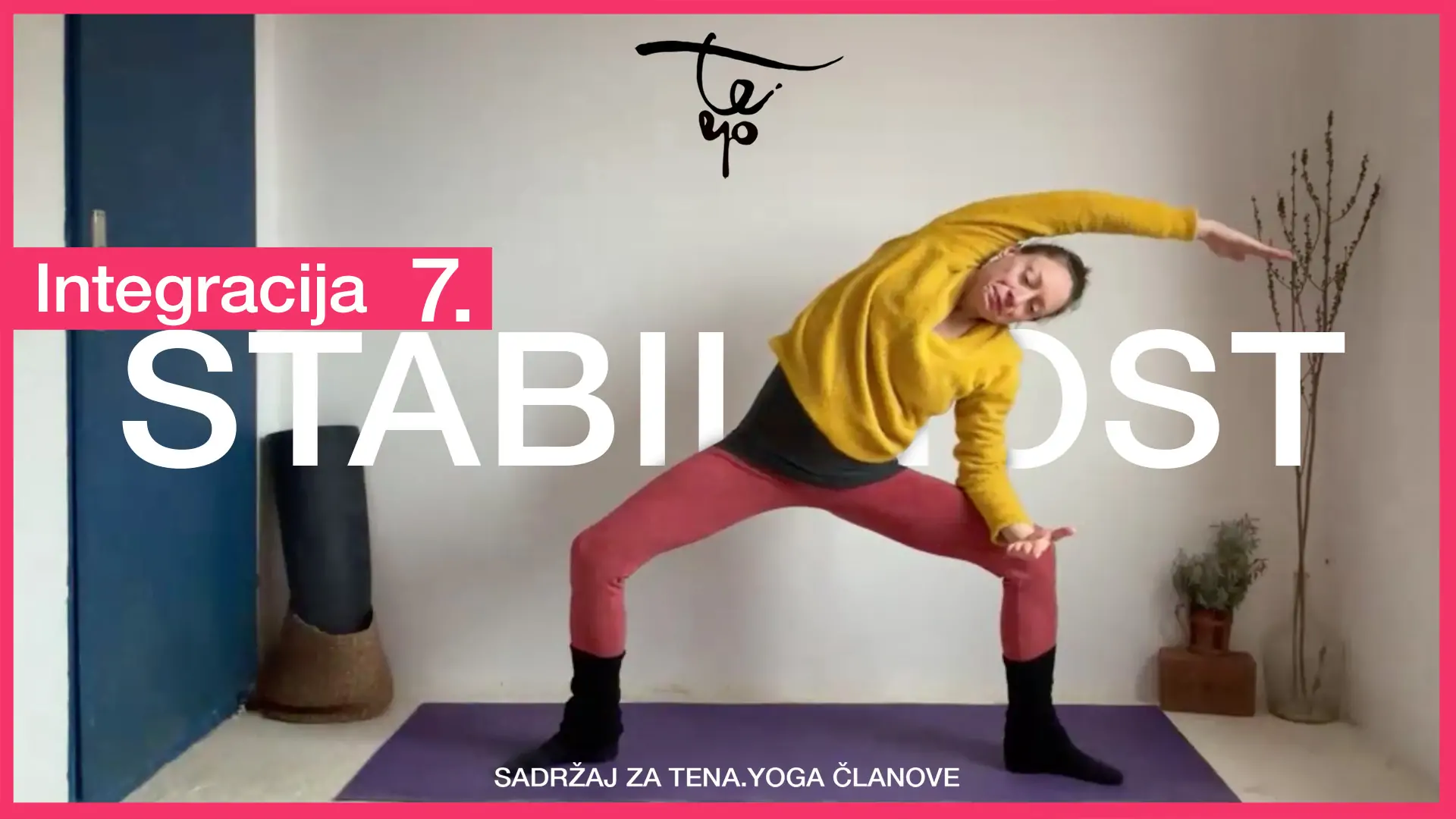
7. STABILITY
Stability requires determination and strength, but it does not need to contain seriousness. While practising balances today, especially standing on one leg, remember to breathe calmly and steadily and preserve an inner smile.
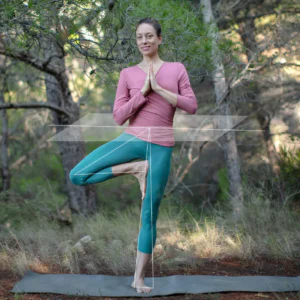
We move through several sets of transitions from Vrikshasana or Tree pose into a standing one-legged balance, building connection and integration for stability. Between the balances, we practise wide squats with lateral movements of the torso.
Play with your stability and do not become discouraged. There is nothing wrong with holding a wall; the body will still learn how to arrange all the pieces.
Through stability and balance poses, we open a door through which the body learns about itself and discovers how to organise and connect in its own way. :)
Mindful journal: Feel the time ahead, this day as an unwritten space into which awareness will inscribe your life. Set the intention to write love, patience, openness and goodwill towards yourself and others: what is truly worth living. This is how we shape life. We cannot know what will happen, but we can choose how we respond.
40 MIN
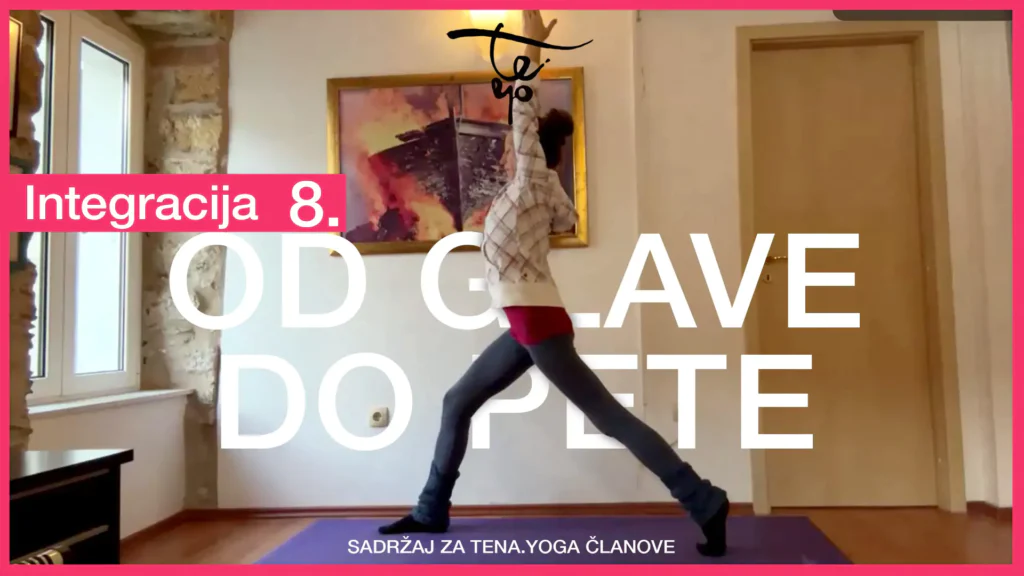
8. FROM HEAD TO TOE
We begin standing with the knees gently bent, unlocking the lower back so we can feel the spine lengthening through the centre. Through this axis and beyond it, from head to toe, we extend the breath in two clear directions. The energy of breath is like wind and moves effortlessly, just like movement when it is joined with breathing. We calibrate ourselves in the body this way and continue with several rounds of sun salutations.
We practise several poses in which we feel this axis and the breath moving in two directions, emphasising grounding as we grow upwards.
We also practise several back-strengthening exercises on the abdomen, lifting the opposite arm and leg to strengthen the back’s diagonal lines.
In Shavasana we relax and feel the space of our life between head and toe. When we relax enough and give it an opportunity, the body knows how to reset itself. What does it feel like to be completely relaxed and completely present?
Mindful journal: How familiar is the space of your body and being? What does it mean to know yourself? How can you honestly acknowledge a recurring pattern and say: all right, this is here; this is my reality? Try to experience your body, thoughts, emotions, intentions and relationships more as an energetic flow and less as something fixed. How can you establish that perspective?
60 MIN
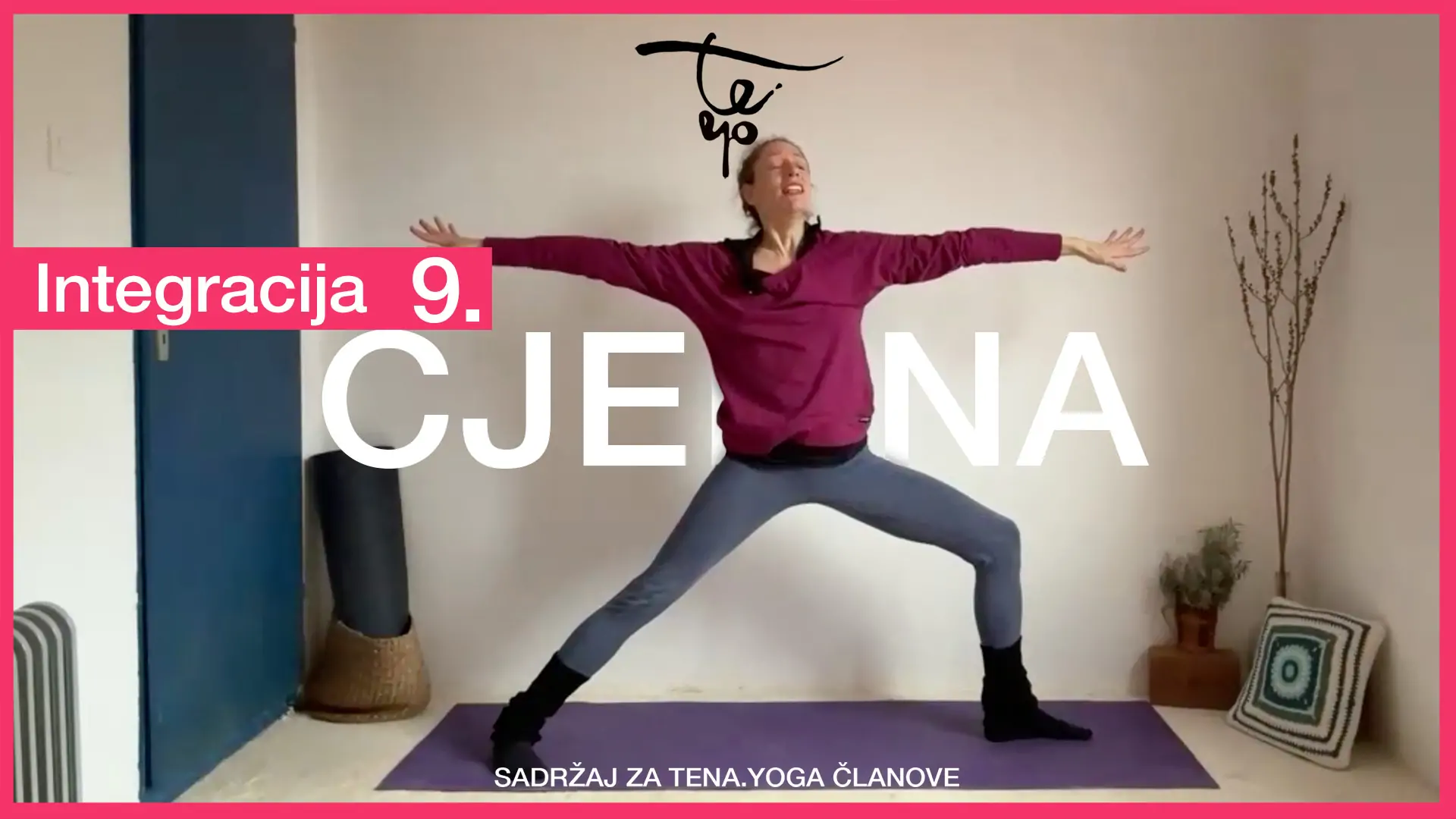
9. THE WHOLE
The final class of this theme is dedicated to feeling the body as a whole, integrating every segment from a single cell and body part to everything included in the experience of the present moment.
From the beginning, we focus on feeling the body as one. If one area becomes prominent during practice through effort, movement or stretching, the invitation is to see it as integrated within the whole.
We focus the breath so that the whole body expands and rises slightly on the inhalation, then descends and narrows on the exhalation, as though the entire body breathes. We feel the space into which we expand and move, the space around the body.
After warming movements that awaken this kind of attention, we practise sun salutations and several poses in which we feel the body as a whole while every part performs a different function.
We also try to distinguish thoughts about difficult sensations and awakened complexes from the pure feeling within the body. Very literally, the difficulty of holding a pose can activate a cycle of aversive thoughts that removes us from direct experience. We meditate through the body by recognising this. Such thoughts are a trap that separates us from the whole.
Mindful journal: Can you see yourself as a whole, an individual who accepts and consents to what is? Do you have the capacity to feel the wide space around intensity and allow that intensity to tell its story? Can you release thoughts and return to the body, where everything is integrated into a whole and which is itself an inseparable part of a larger community?
May we gently smooth the energetic structure of the body through movement and breath, bringing the finest qualities into the unwritten time ahead for the life we want to live.