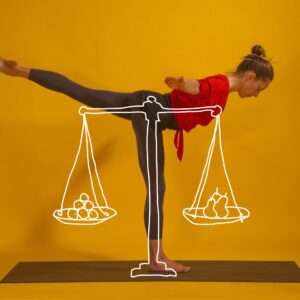
Action from Intention
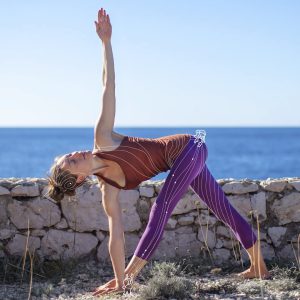
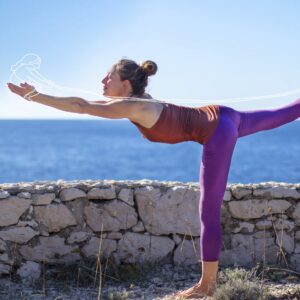
Calm poses, longer holds and asanas for balance and stability. Through the body, we hold a space of determination and clarity.
It's possible to order a single yoga lesson from this bundle.
More on the lessons
The package contains a talk with an introductory class and eleven yoga classes.
Intentions shape our life. Whether conscious or not, they govern our thoughts, words and actions and thereby form our personality. Karma, the law of action and its consequences, is simply a sequence of intentions to which we respond, so it is essential to become aware of them. Read more on the blog: THE POWER OF INTENTION. We learn to see where our actions come from and how to establish clearer intentions and new motivations.
In asana practice, we work with calm, decisive poses, longer holds and asanas for balance and stability so that the body can hold a space of determination and clarity. We ask questions that illuminate the sparks behind our actions. We become sensitive to the origin of habits we want to release or change and introduce affirmations for new ways of acting.
Themes covered:
- standing asanas
- poses for stability and balance
- a calm quality of strength
- slow stretching
- upright posture
- determination and clarity
- mindfulness meditation
- positive affirmations
The recordings were made during regular guided online yoga classes. The classes were recorded through Zoom at a resolution of up to 720p, so variations in video quality are possible.
Contents of the recording package
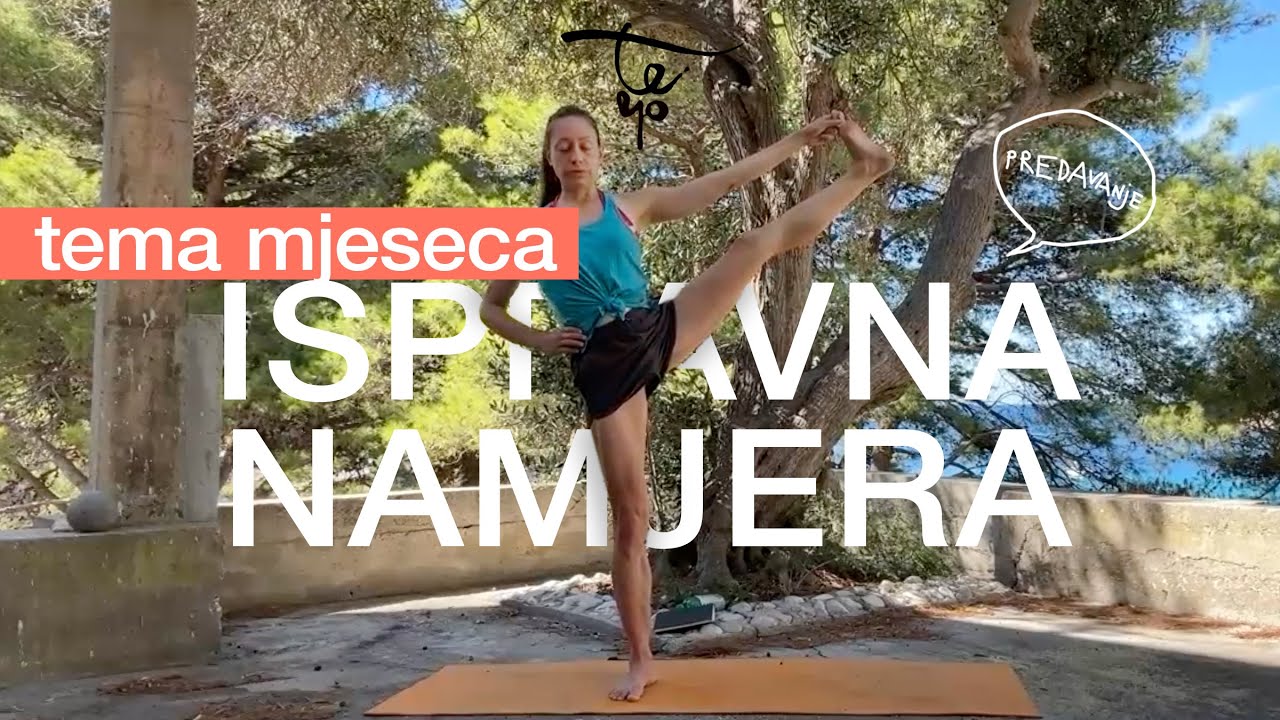
INTRODUCTORY TALK AND YOGA CLASS ON THE THEME
In the introductory talk, we first explain intentions as the driving force behind everything that moves, especially conscious intentions that we can direct and shape and which, as aware beings, we can manage. When we function in an unconscious mode, we operate automatically. Everything happens by itself, external forces influence us and we roll along according to their programme. The possibility of change exists only within conscious intention. An intention is any conscious process through which we know how to move from an idea, for example preparing lunch, and put it into action.
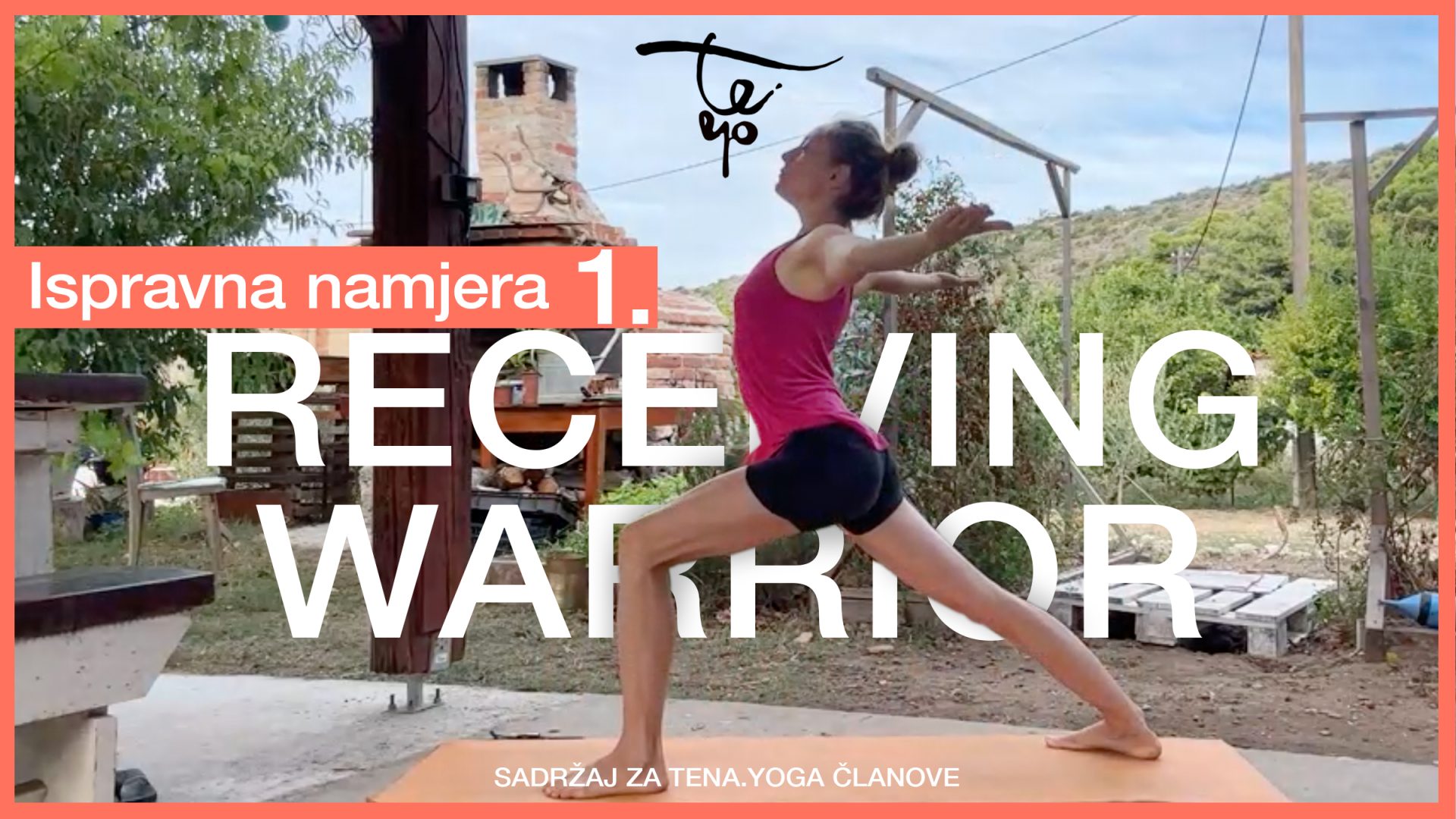
1. RECEIVING WARRIOR
We begin standing, feel where we are and relax through gentle movement. Tadasana is the beginning of yoga and the setting of an intention: now I am practising yoga, and I want to be here with my body without judgement, learning to feel and remain open to what I experience. With the intention established, we enter the practice. Today, we move carefully through four Sun Salutations A and two B, followed by several standing asanas that repeat Receiving Warrior from Warrior I, where we naturally surrender. On the floor, we practise a small twist, Navasana and Bridges.

2. THE STARTING POINT
First, we pause and feel where we are, releasing what has passed so that we can be as open as possible to the present. Clear, is it not?
With this attitude, we enter the practice: breath, expanding breath, Sun Salutations, asanas and finally meditation. Today, the class includes many Sun Salutations, several standing asanas, balances and another Warrior with Receiving Warrior Arms. Within the asanas, we remember the initial moment even when the practice is difficult or we do not feel like continuing. We remain broader than the feeling, release it and move onwards. On the floor, we twist a little and remain in meditation, practising breadth and the possibility of not believing every thought that arises.
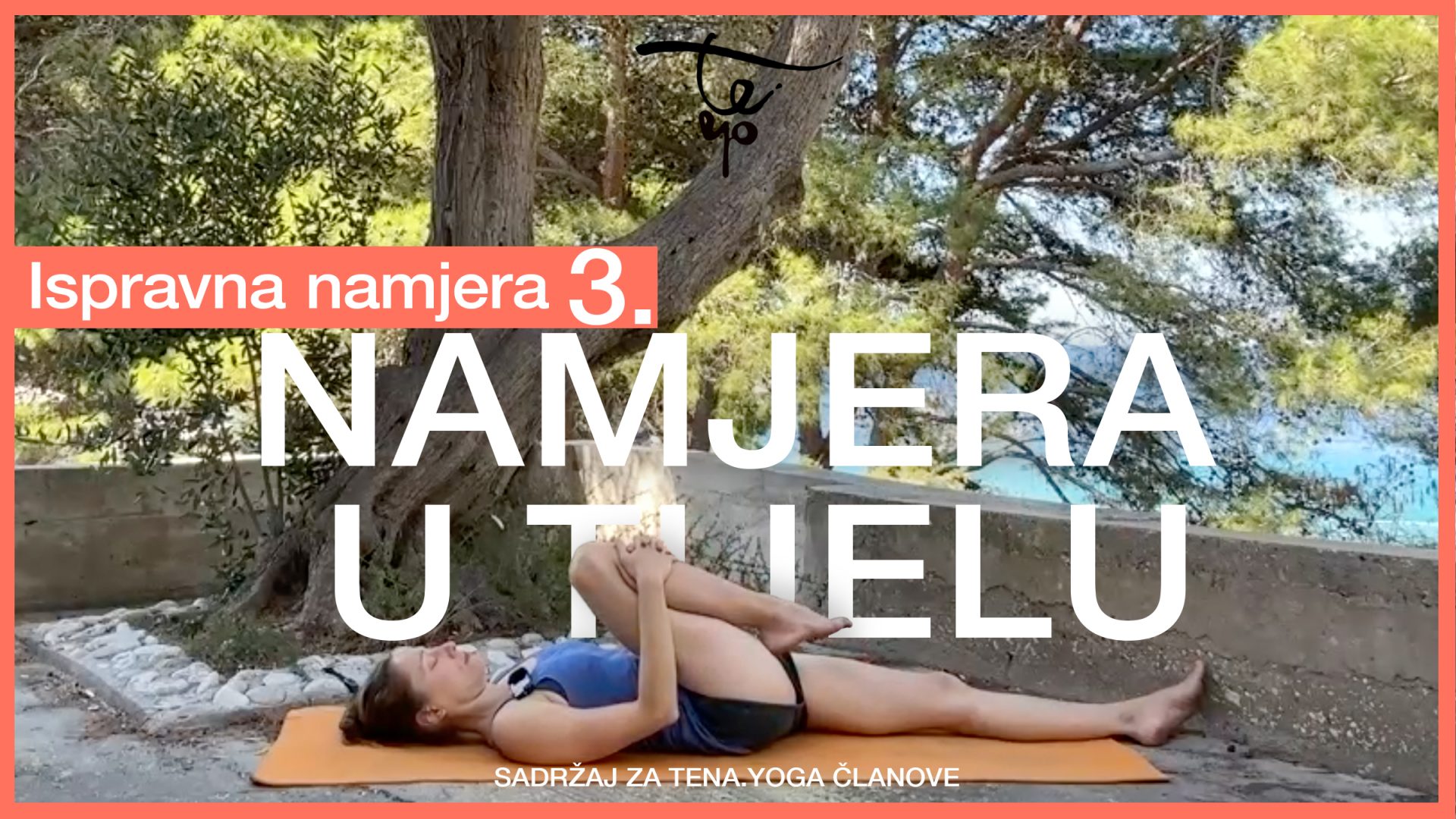
3. INTENTION IN THE BODY
We do almost nothing: one leg rises, then a little movement left and right. Yet the point of these 40 minutes is precisely this time spent here meditatively. Slowing the body slows the mind. Today, we especially emphasise movement arising from stillness. Within stillness, we recognise the impulse we send in order to begin moving, feel it clearly in the body and then respond consciously and slowly. We become aware of the intention to move, decide to respond and put that response into action gradually and attentively. This is how we learn a form of body awareness, a bodily consciousness through which we know by feeling rather than reasoning. It is the key to recognising what we respond to, how and when.
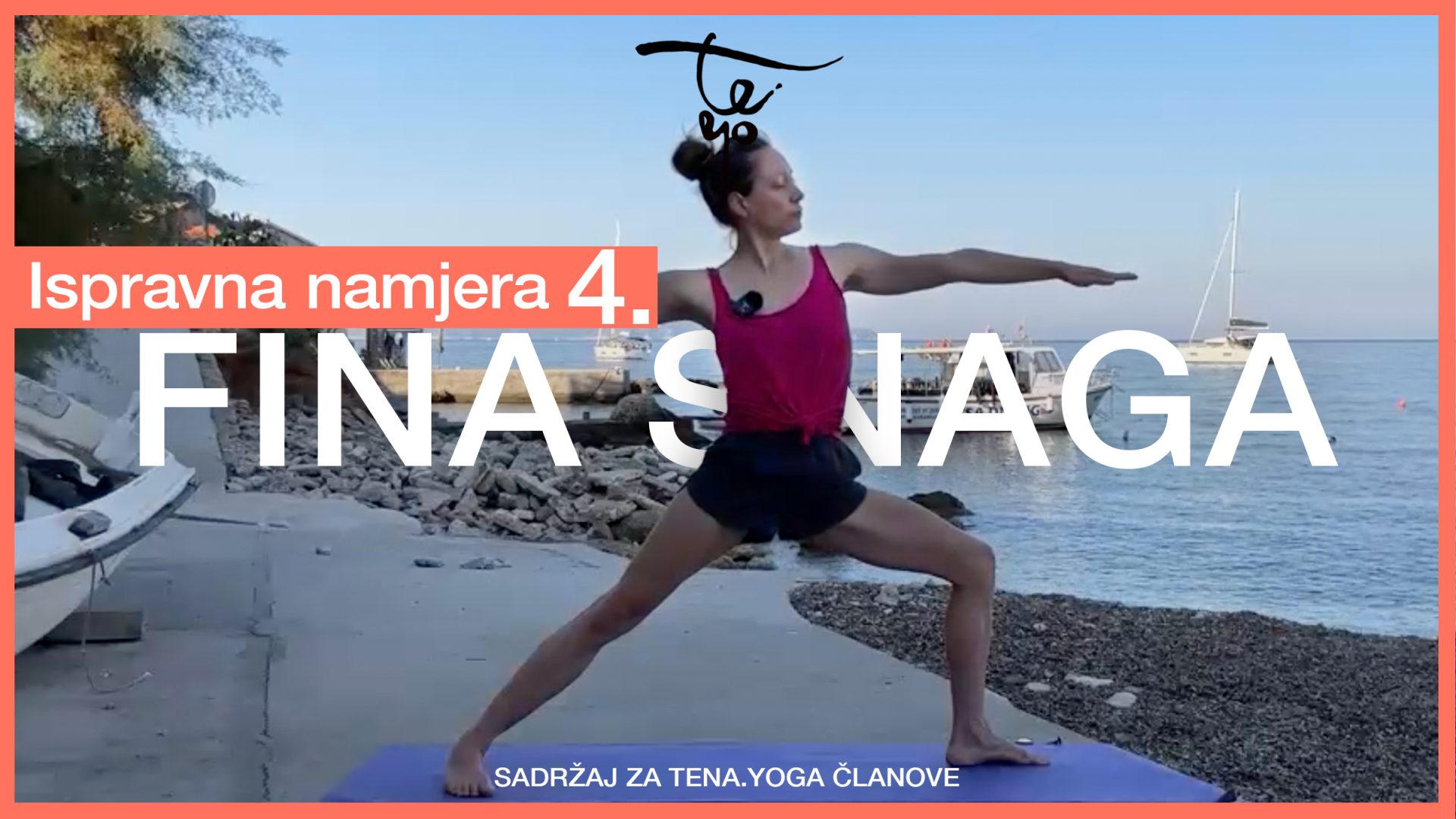
4. SUBTLE STRENGTH
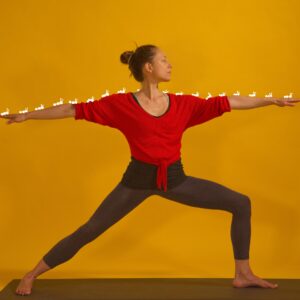
We begin with wide squats and opening the inner thighs and groins, an area we continue addressing throughout the class. After Sun Salutations, we practise Warrior II variations with rotation in the front hip. The class builds pleasant strength in the legs and pelvic floor and strengthens the base. On the floor, we practise several asanas that lengthen the groins and settle the energy. When it feels “difficult”, remember that it will pass and that this is an opportunity to give your best and extend the limits of the inner rebel who says, “this is too difficult for me; it is for fit people”. We train only when it is difficult, and growth and change occur only beyond the comfort zone.
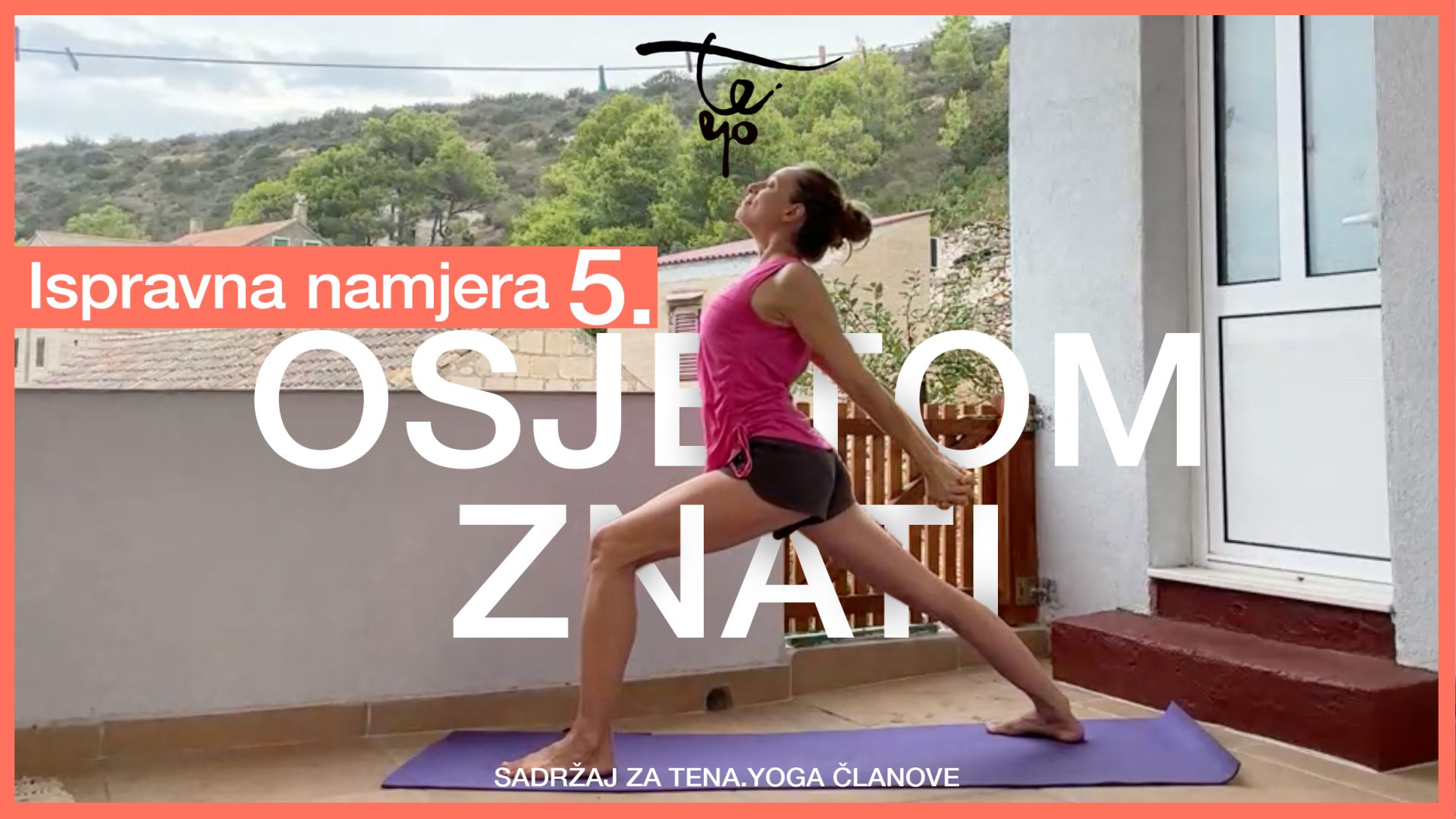
5. KNOWING THROUGH FEELING
Today, we move through several simple movements and yoga fundamentals, including Sun Salutations with a few detailed explanations as a review. We lengthen the trunk and torso, front and side, by reaching the arms through several poses. Without a calm, stable base in the hips and legs, there is nothing from which to extend, so we seek these two directions within the body. We discuss the importance of feeling through the body, meaning through the senses, body awareness and a sixth sense: the awareness held by every cell. At the end, we practise FACE YOGA, working with and gently massaging the facial muscles.
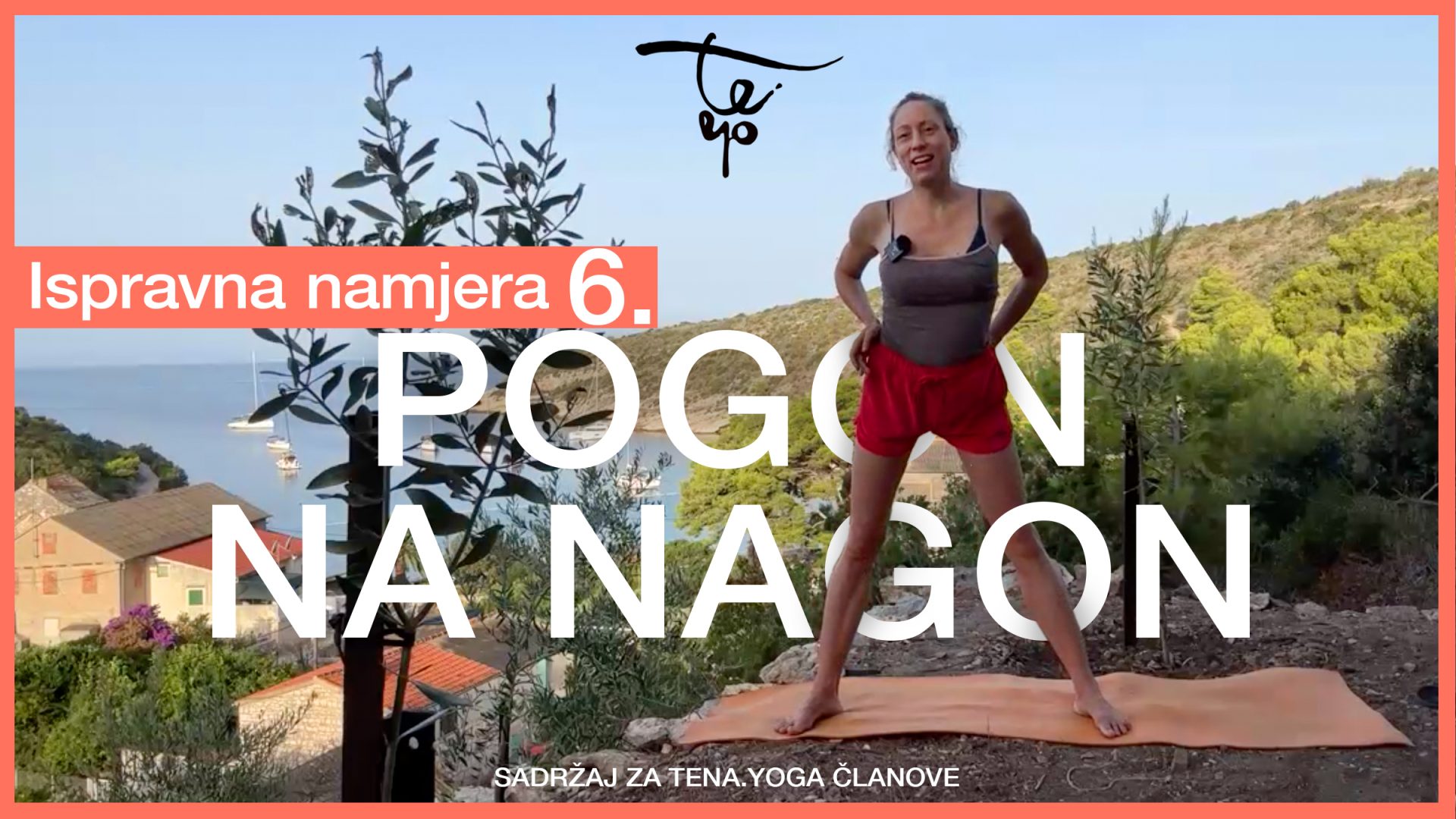
6. DRIVEN BY IMPULSE
Instinct is a powerful force in us as mammals, originating in the pelvis. The organs located there use their force and chemistry to influence our direction of movement, literally and metaphorically. The pelvis generally initiates bodily movement; wherever it goes, the rest follows. Today, we mobilise the pelvis to increase awareness of this part of the body and the feeling that drives movement from there, while also creating greater comfort and mobility. The title “Driven by Impulse” actually describes what we do not want. We want to be driven by awareness and conscious choice. It can be difficult to begin practice when the body feels heavy, but this is only the inertia of the previous state. Decide to practise yoga, do not listen to the lethargy, simply begin and create new momentum.
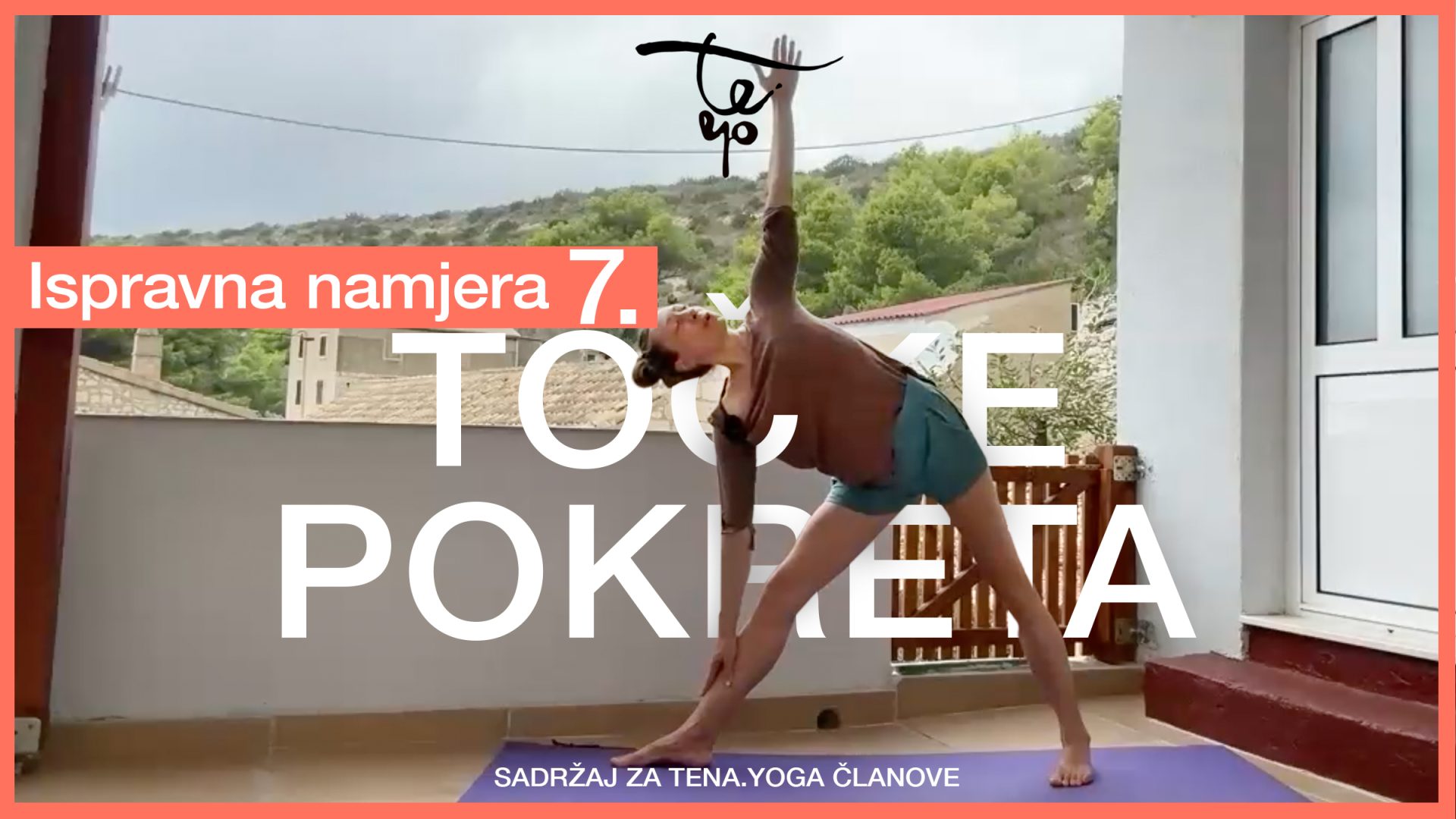
7. POINTS OF MOVEMENT
The joints are points at which we choose how to move, where to go and what to do, both metaphorically and literally, or at least we try to choose. Reflexive reactions and “unconscious behaviours” are inscribed deeply within the body, the joints and the functioning of the nervous system. Fortunately, we can change these too: our first automatic reaction, initial contact with a person or situation, because these responses were learned. The body will respond to a situation by itself, but we need to see whether that physical reaction is genuine intelligence or a response learned and memorised long ago. Through awareness and conscious movement, we reach memories of trauma and stress that the body can release when ready. We literally change how we behave, becoming less unconscious and more mindful, attentive and loving.

8. CLARITY
How do we understand where we are and what we feel within the body? We know without much thought; we simply know. This clear bodily knowing is essential for connection with ourselves and what is sincerely happening now, the starting point of our intentions. We respond to our own feelings, not directly to the other person and their problem. Empathy is feeling what another feels, but through our own body. Today, we practise a simple class of familiar, slow asanas, seeking to know clearly where each body part is and which forces create movement. We know how the body stands, how each part feels, where tension is held, where we maintain strength and in which directions we lengthen. A clear body for a clear, calm mind.
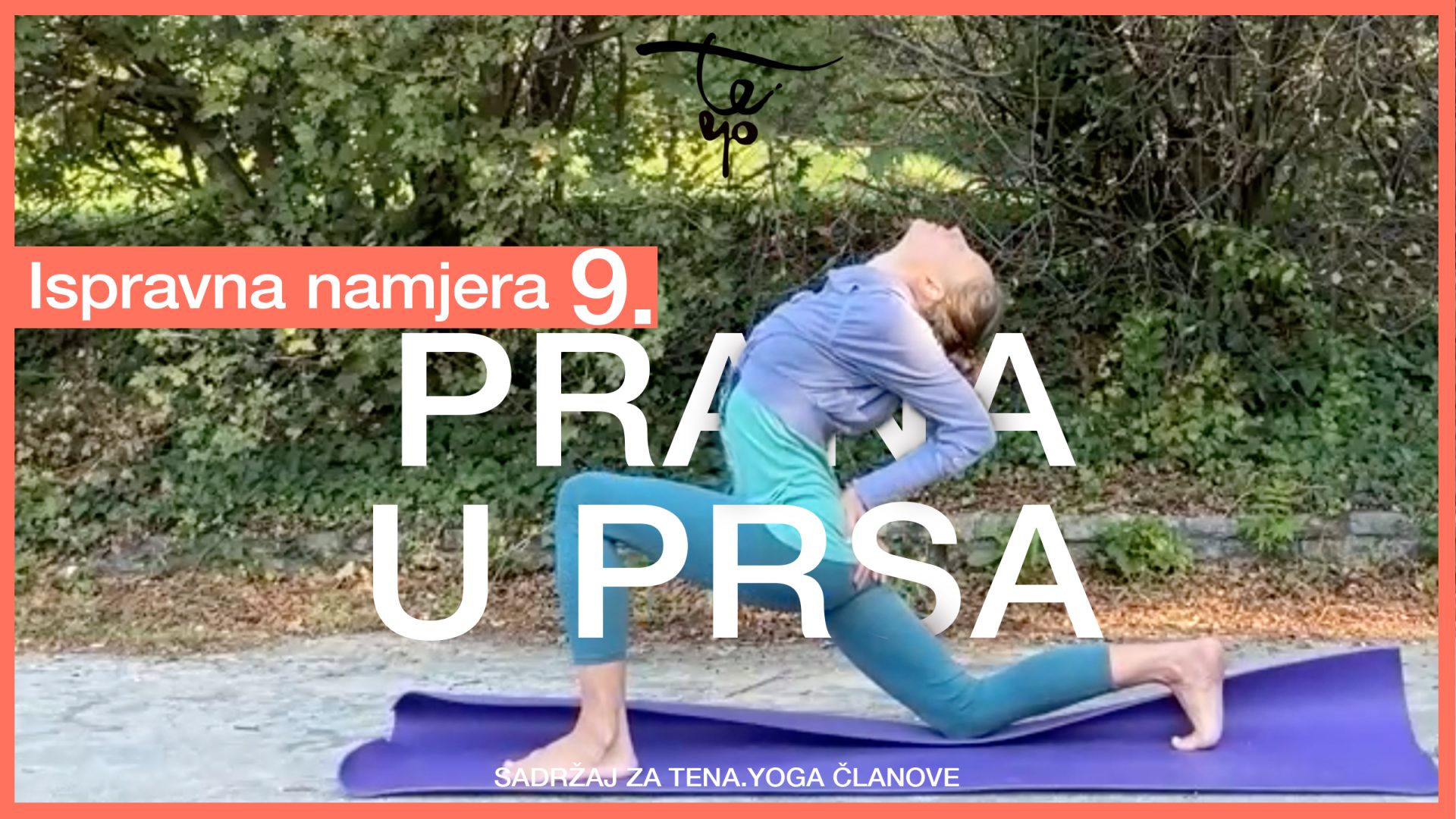
9. PRANA INTO THE CHEST
We first find Full Yogic Breath, or three-part breathing, filling the lower abdomen, then the diaphragm and chest on the inhalation before exhaling slowly through all three areas. We carry this breathing principle through the body during warm-up movements and several later asanas. Because we focus strongly on the upper back and shoulders, take care when entering these backbends that the movement does not collapse into the lower back. Move only to a comfortable depth. The class is demanding because backbends activate the sympathetic nervous system, awakening adrenaline, acute alertness and a form of “cold sweat”.
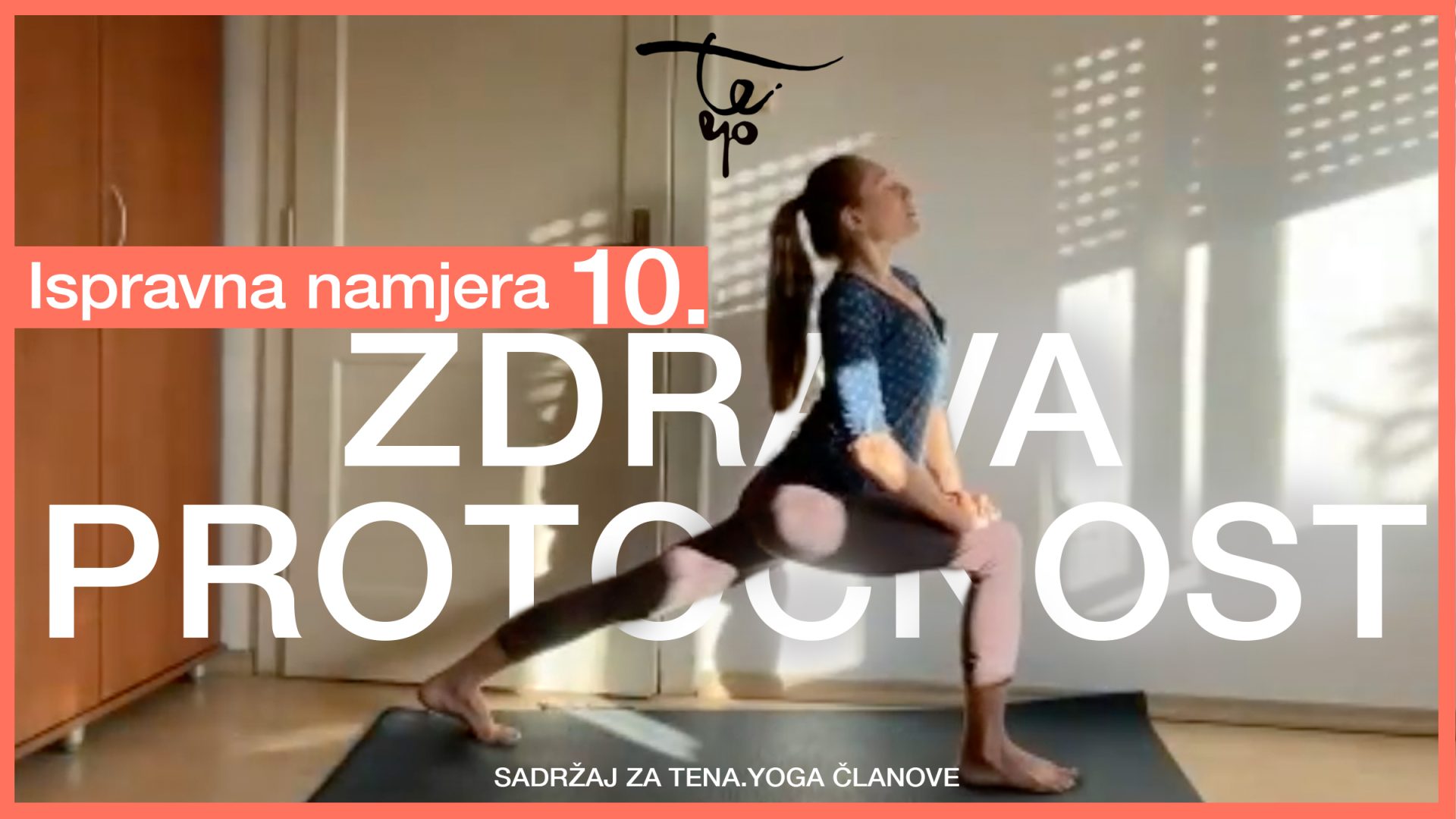
10. HEALTHY FLOW
The best and most effective way to warm the body is to engage the abdomen, especially by connecting exhalation with the lower abdominal muscles. Today, we awaken and begin moving this way through pulses and several asanas for strength, peace and stability. Healthy yogic flow is always available within the body; we simply need to begin moving. We discuss how all our actions are sets of intentions through which we choose our direction, just as in yoga: we give the body a task and carry it out clearly and decisively. May every intention arise from this good, healthy and clear place.
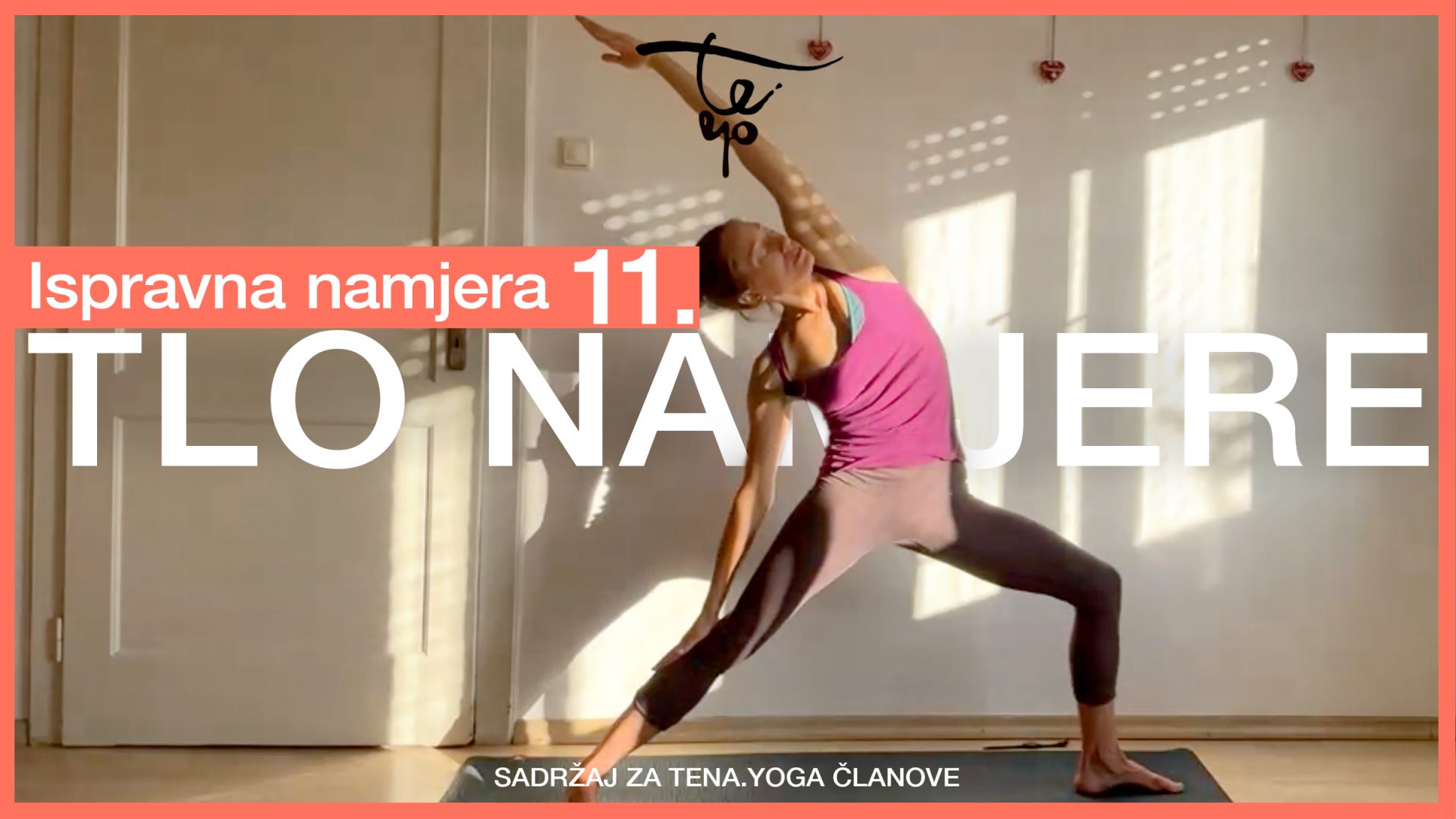
11. THE GROUND OF INTENTION
Intention is the ground in which we plant thoughts, words and actions. We can make the same physical movement, for example pushing someone, yet the intention determines what it achieves: are we pushing them away or nudging playfully? Everything we do has an effect that depends on the intention behind it. The same applies to yoga. Yoga practice is not the body’s poses but the attitude from which we move and perform these exercises. This driving energy is our practice, so it is important to act from love and surrender rather than guilt and accumulation, seeking to gain or expect. Through practice, we give our best to become the best version of ourselves for the benefit of all living beings.
Everything we do has an effect that depends on the intention behind it. This driving energy is our yoga practice, so it is important to act from love and surrender rather than guilt and accumulation.