Mindfulness Meditation
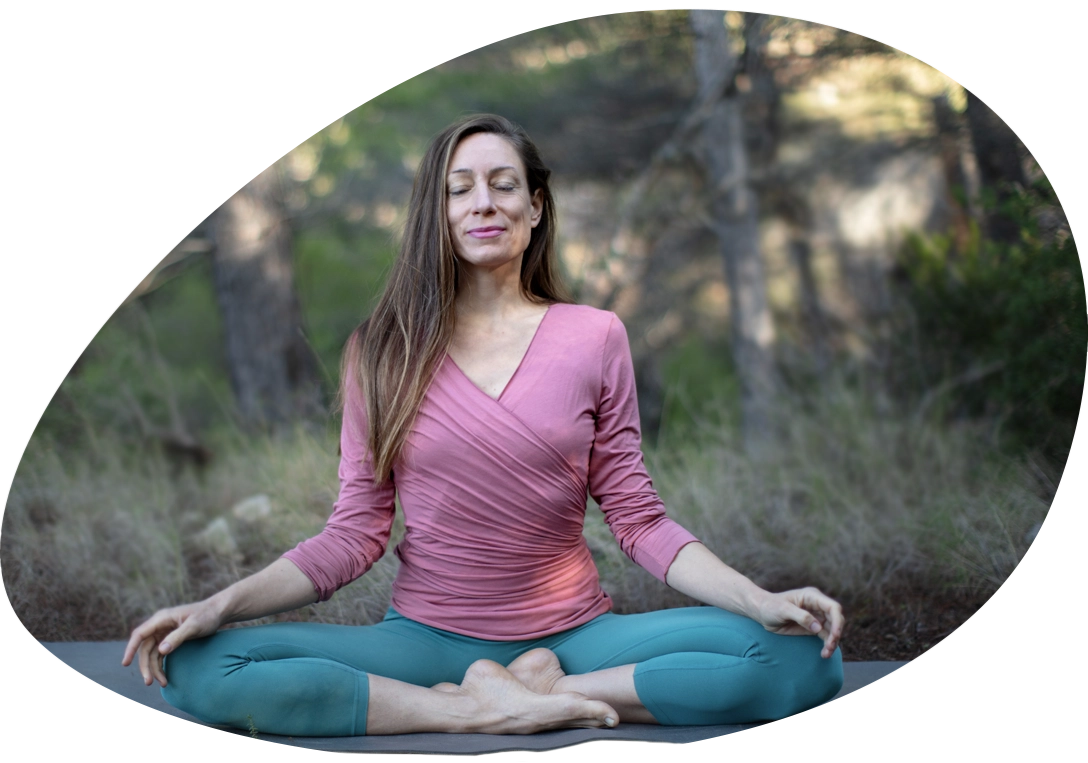
Mindfulness is a meditation practice through which we develop the ability to pay attention to the present moment and relate to our current experience without judgement.
Mindfulness (attentive awareness) is the natural capacity each of us has to be aware of what is happening in the present moment and to accept it calmly and compassionately. It is a state of awareness in which the mind neither judges nor resists what it recognises and what is here right now, leaving enough space to decide how best to respond. The two key elements of mindfulnessare awareness / wakefulness and compassion / acceptance.
Being mindful and cultivating these qualities of mind is not an accident; it is a conscious choice each of us can make.
To remember the present moment at all, we therefore need to train regularly through formal and informal meditation practice.
We act through patterns and habits (both conscious and unconscious) that we have acquired. When we meditate, we train the mind to choose direct contact with bodily sensations, emotions, and thoughts more often, and to see whether the habits we formed earlier are truly helpful.
As we cultivate this ability to be present without needing to judge, avoid, or cling to every experience and state, new sources of understanding and wisdom emerge, along with opportunities to choose differently and live more freely.
Metta (loving-kindness) is a meditation in which we consciously cultivate mental and emotional states of goodwill, love, and compassion for ourselves and others. In this form of formal meditation, we contemplate the positive qualities of living beings so that noble states of love and compassion can grow in our hearts.
Watch some of these themes in the videos below, or find more meditations on my YouTube channel.
My Meditation Journey
My path to meditation began spontaneously and, looking back, seems almost inevitable.
When I was eighteen, my mother died suddenly. That same year I moved to Ljubljana to study design at the academy. It was a profound turning point, a huge shock, and a complete break. The ground disappeared beneath my feet. Shock left me empty; I felt nothing and could not imagine ever feeling joy in life again. In Ljubljana, I met a small group who practised yoga and meditated. Yoga felt natural to me immediately, but I did not really understand meditation: sit still with your eyes closed, and then what?
After my second year of study, I travelled to Sri Lanka with a friend. We spent three months in a Buddhist meditation centre in the jungle, following the Theravada Buddhist tradition under the guidance of Bhante Pemasiri. During the first month I sat in a rather intense cauldron of suffering and wanted to run away. I did not understand what I was doing; everything felt unfamiliar and pointless. That agony gradually cleared, and the teaching began to make more sense. I learned the foundations of Buddhism and meditation, and a path towards understanding ourselves and the conditioning that closes us off from life.
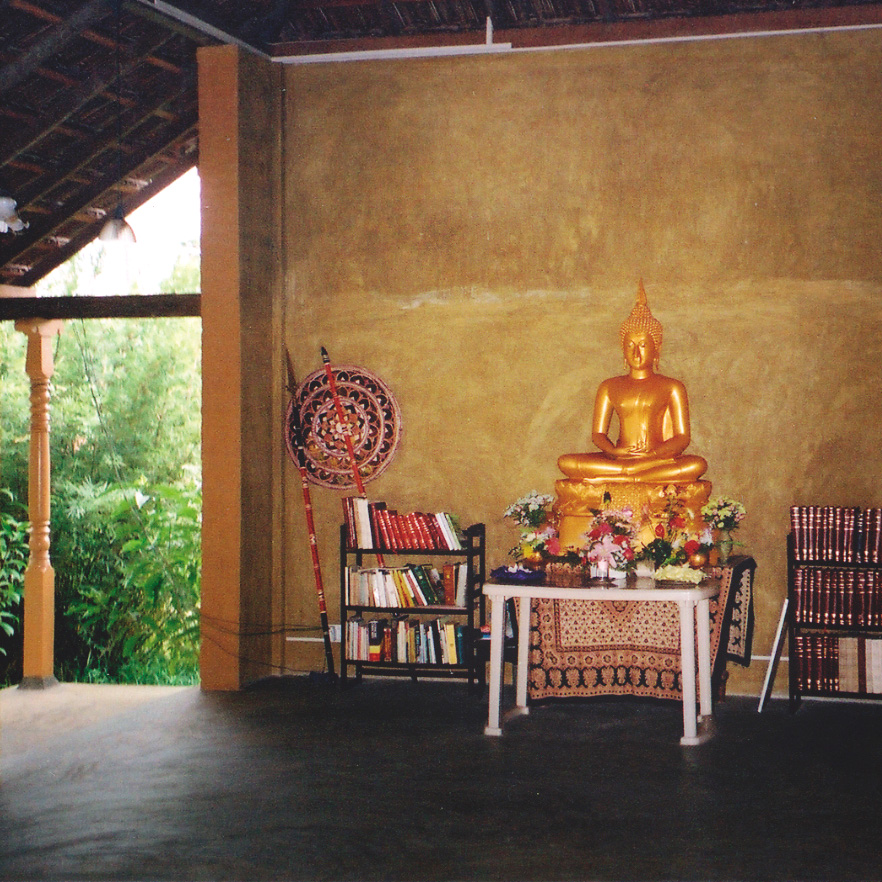
In the second month I began to let go. I picked flowers and made garlands for puja, walked, marvelled at nature, and began to meditate. I kept a notebook in which I recorded what I was learning and drew the nature around me. The third month brought everything together: I sat my first ten-day Vipassana retreat in complete silence, taught in the tradition of S. N. Goenka. There, for the first time in two years, I felt joy and saw that I might be able to awaken from the darkness.
It seems that deep pain and difficult experiences push us uncompromisingly into contact with ourselves, and that they can teach us the most.
After returning to Europe, I completed my studies, moved back to Zagreb, began working in design, and attended regular yoga classes. For years, the journey to Sri Lanka echoed within me like a great jewel, but also like an ideal life that I could not live here. I struggled because meditation belonged to “there”, along with the peace and spaciousness that everyday life seemed unable to offer. It took time to release that ideal and the desire to return to a Sri Lankan state of mind , and to understand that meditation and everyday life needed to become one.
Believing that something better exists somewhere else is a serious obstacle: it keeps us from being here with what is and giving our best now.
In 2010, I visited Žarko Andričević’s Buddhist centre in Zagreb several times. It was wonderful to rediscover a note of Buddhism close to home.
In 2011, I attended my first lecture by Mislav Brečić about mindfulness meditation and continued sitting with him regularly. Mislav translates the Buddha’s teaching into our language and culture and connects it with the life we live here and now. In that way, meditation becomes an invitation open to everyone, regardless of faith or cultural background.
Over the years, I have attended many meditation retreats with respected teachers: S. N. Goenka centres, Bhante Sujiva, Mislav Brečić, Ajahn Sundara, Martine Batchelor, Tina Rasmussen. I was also deeply influenced by the following teachers, whose talks I studied, took notes on, and put into practice:
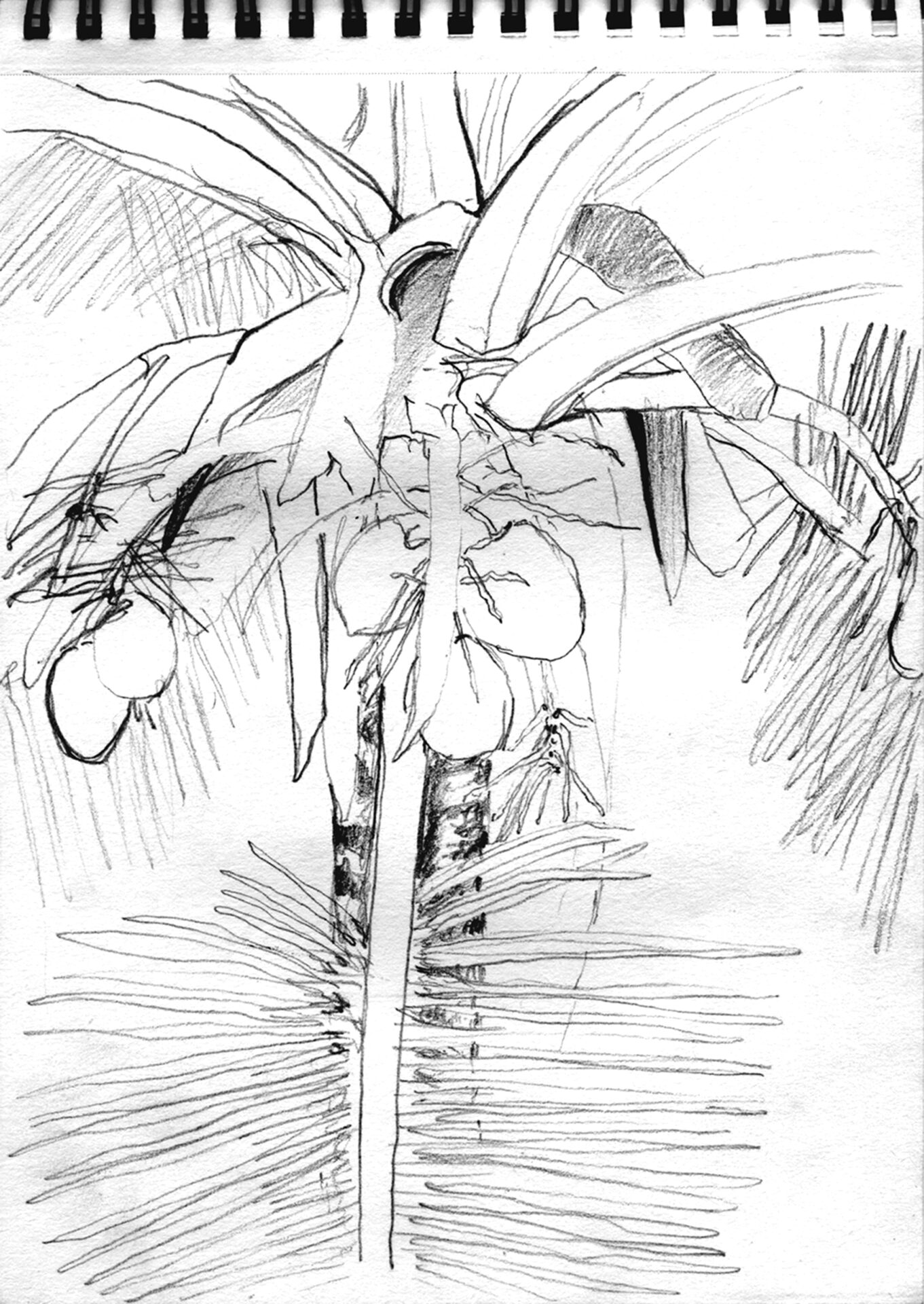
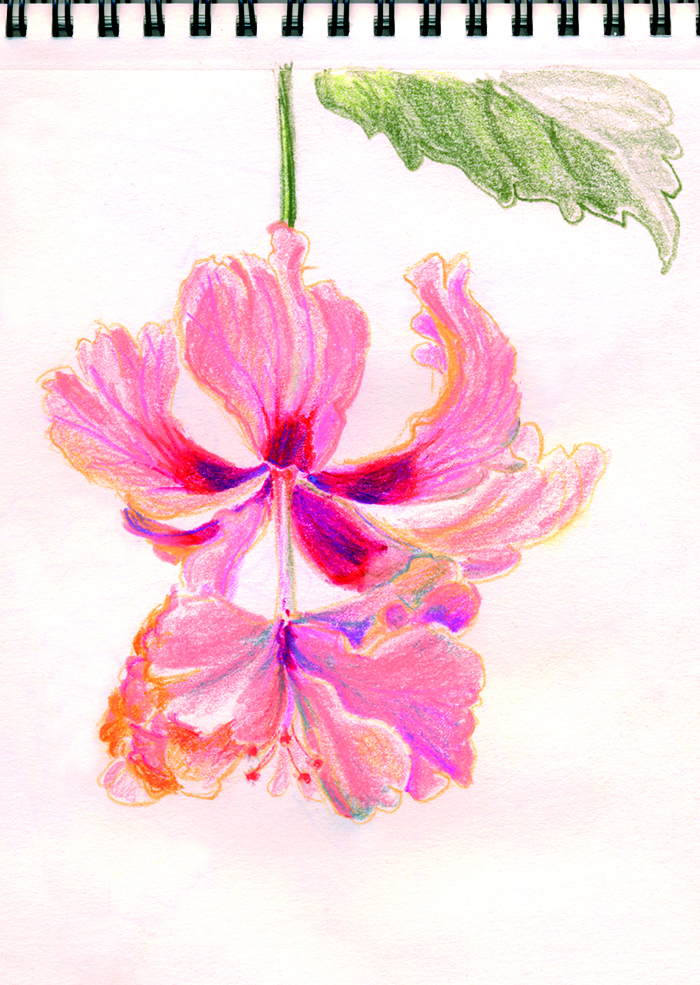
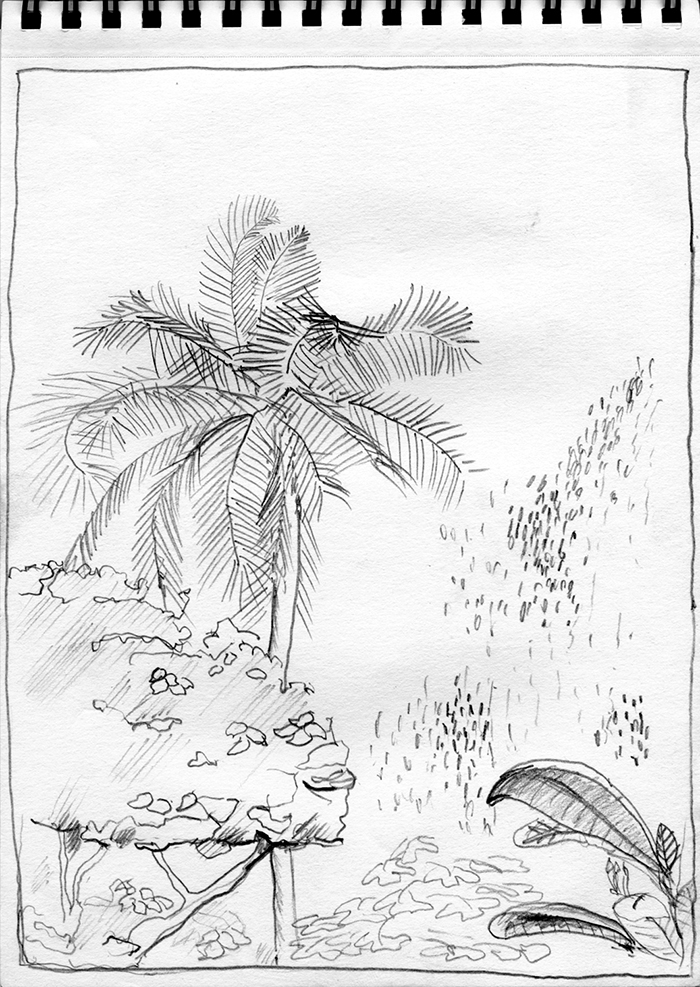
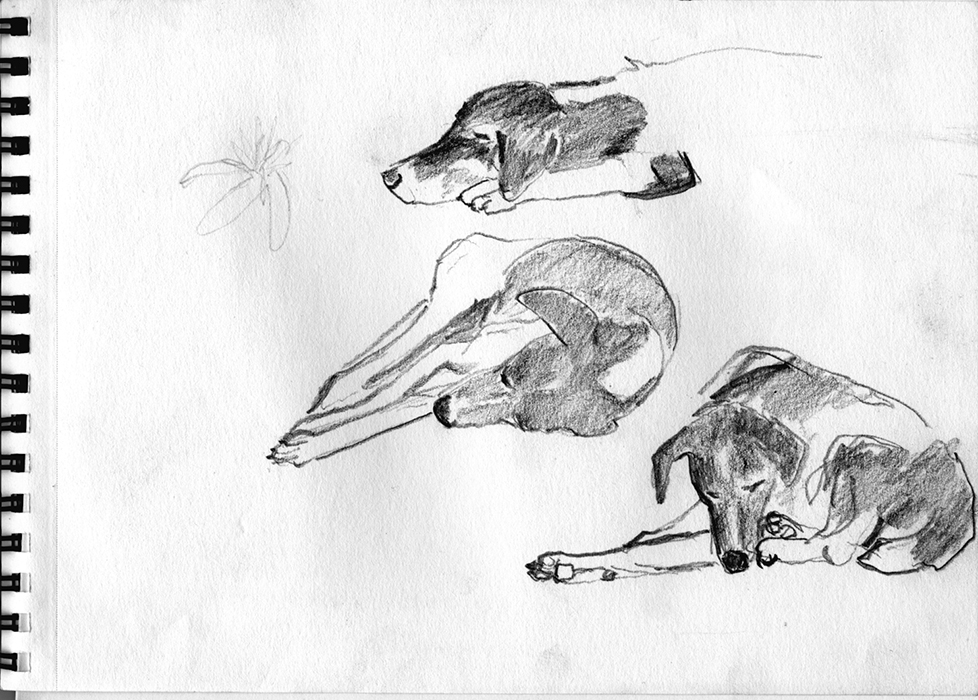
Sketches and illustrations from Sri Lanka, 2004
Somatic Meditation: Meditating Through the Body
“Somatic meditation is an approach in which the body, rather than the mind, becomes the fundamental arena of meditation practice. Put simply, instead of trying to develop meditation through the left-brain, thinking mind, as though looking down from above, which is common in many contemporary approaches, somatic meditation works from the body upwards and into the body. Through this approach, we can connect with the inherent, self-existing wakefulness already present within the body itself.” Dr Reggie Ray. Source: Tricycle.org
In this kind of meditation, the first step is to recognise the sequence: 1. thought, 2. emotion, 3. bodily sensation, and to see clearly how these aspects of experience are connected. The second step is to honour the fact that this experience is here now, because escaping from it or reacting to it has not created a new way of being or changed the old habit. The difficulty in this tightly linked sequence is that we react automatically to thoughts triggered by bodily sensations and emotions, which in turn trigger the same thoughts, leaving us caught in a blind loop.
Somewhere we need to break that cycle, and in somatic meditation we do this by returning to the body and to the bodily dimension of every experience. We can reduce our reactivity to thoughts, or stop believing them altogether, when we stay with a bodily sensation and its natural vibration. Its intensity depends on what is happening to us, while our ability to remain with even the strongest sensations grows with meditation experience.
Our lives are shaped by what we think, then by what we say, and most of all by what we do: intention expressed through thought, word, and action.
The opposite of the monkey mind* is the present body**. When we are embodied in our lives and in what we are doing right now, including conscious thinking, we are in the opposite state to the monkey mind , which is disembodied and absorbed in its own virtual, unreal world. Of course, once we notice it, it too has a reflection in the body, perhaps a furrowed brow or tightly closed eyes. As soon as we notice that reflection and remain with the body, we are back on firm ground. In this way, we become present for life as it is. Only then can we truly offer our best and act with choice.
Techniques used in this kind of meditation are body-oriented, for example: body scan, awareness of the breath in the body, mindfulness of the body, mindful movement, mindful yoga…
*monkey mind : a popular term for a restless mind full of thoughts and anxiety. Just as a monkey grabs every branch, the mind grabs every thought.
**present body : embodied presence.