Online Mindfulness Course for Beginners
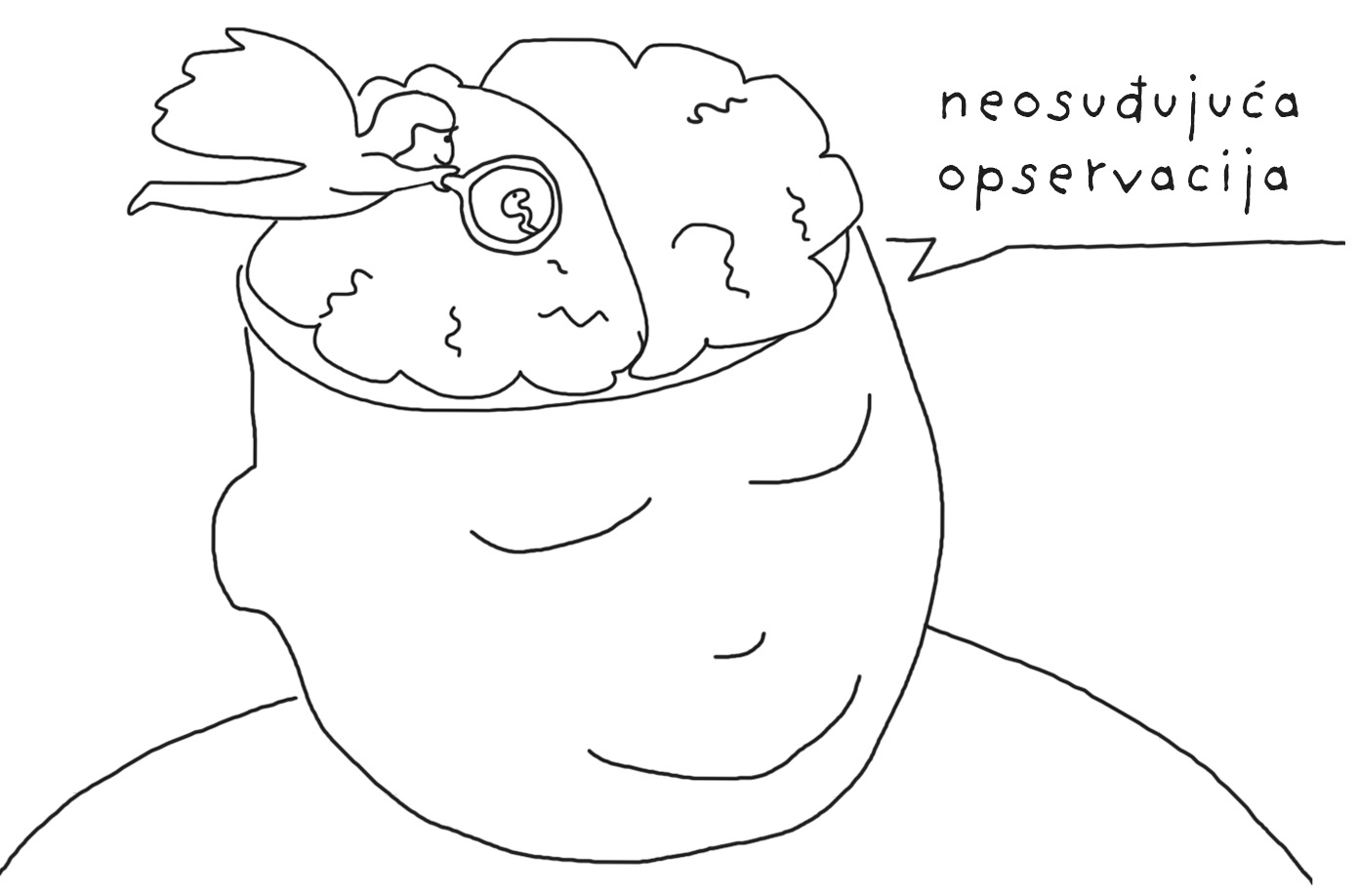
Foundations of mindfulness meditation
Join a course in which we explore the foundations of mindfulness meditation. We meet online for four one-hour sessions within one week, from 6 to 7 p.m. We briefly discuss meditation, practise together, learn meditation techniques, and make space for questions. Here is an example schedule for the course:
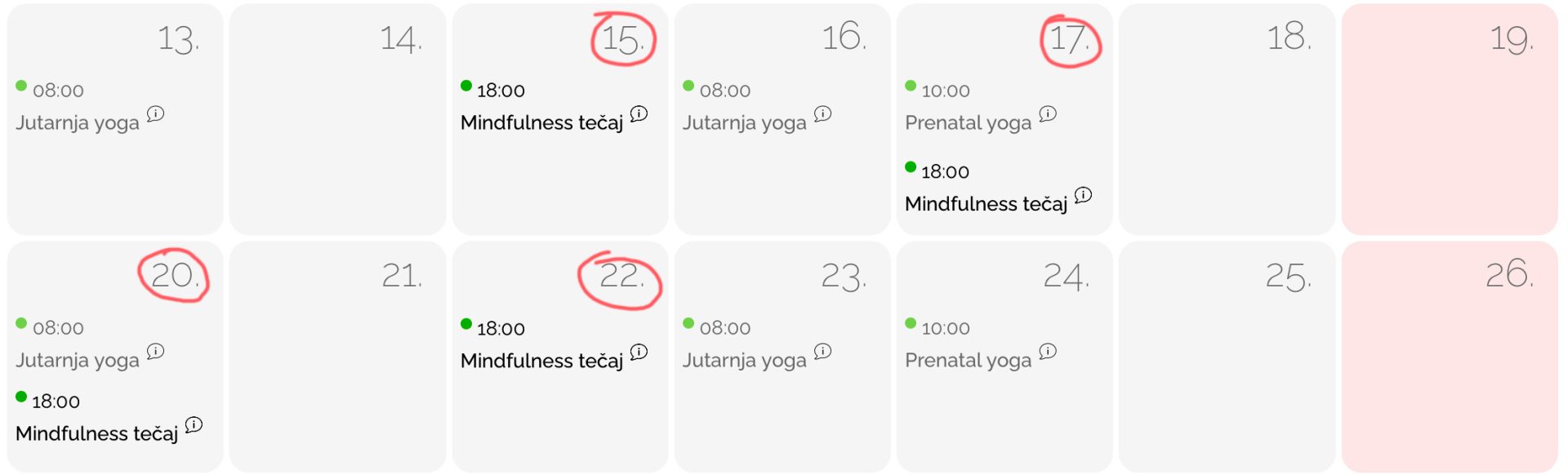
The course fee is EUR 40 and includes four live guided online meditations and recordings of every session. The price for regular members of my online programme is EUR 30.
Register at info@tena.yoga.
Read more about mindfulness meditation on the blog:
– WHAT IS MINDFULNESS AND WHY MEDITATE
– MINDFULNESS FOR BEGINNERS
Find the next Mindfulness course on the EVENTS.
Prepare for the course
listen to the four steps of mindfulness meditation
STEP 1 OF MINDFULNESS MEDITATION: NOTICE
In the first step of Mindfulness meditation, we practise noticing. We become aware of what is present in attention and where our attention is, so that we know what is here and what is happening. Only when we know where our attention is can we change something, act, or meditate. Until we know where we are, there is no direction and no meditation. This is why noticing and being aware are the first step.
STEP 2 OF MINDFULNESS MEDITATION: ACCEPT
In the second step, we practise accepting what is in our attention, what is pulling it away, or what is currently present. Acceptance means we are not in aversion. This step is essential for meditation. Without honestly acknowledging the present state, we cannot move forward. If a thought or emotion is here and we do not recognise it, we are fighting it, running from it, or ignoring it, which is non-acceptance or aversion.
STEP 3: RELATE WITH COMPASSION
This step is closely connected with the previous one because it teaches us how to accept, or more precisely, what kind of relationship supports healthy acceptance. We learn genuine compassion: honestly acknowledging discomfort without pretending it is absent or easy. Truly feeling pain and opening to it is the intelligence of compassion. The word itself means to feel with. In this step, we practise the relationship through which we stay with what is present.
STEP 4: DO SOMETHING TO SHIFT YOUR ENERGY
When something is present that we cannot accept or view calmly without support, we need to take a helpful action. If we are restless and thoughts are too busy to follow natural breathing, we can begin with a slightly deeper breath that is easier to track, balance the length of the inhale and exhale, or add a simple movement connected with breathing.