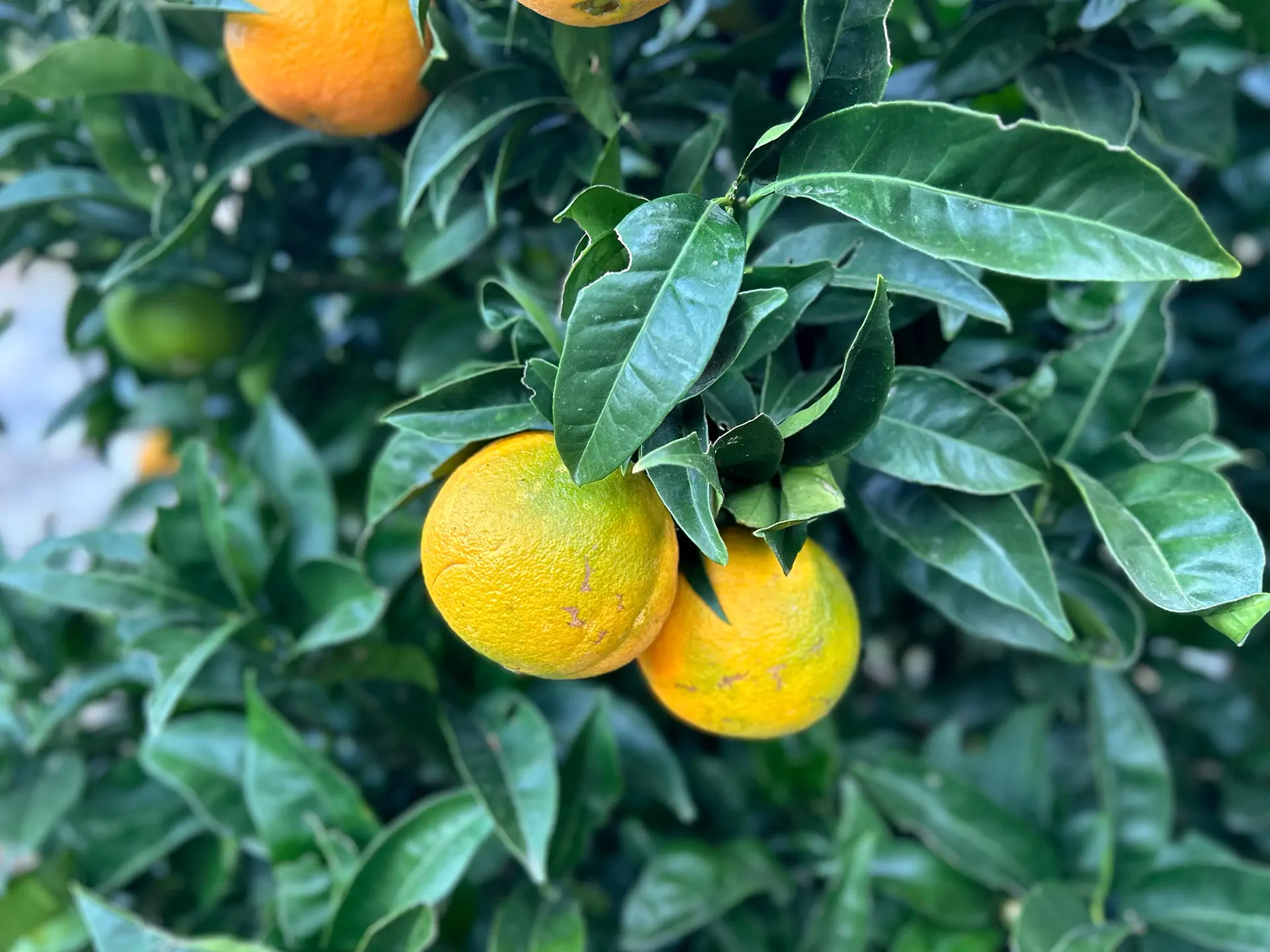
Everything is always flowing, always becoming. Nature makes that very clear.
Watching these oranges grow day by day, I witness the principle of impermanence. Their colour gradients, from deep green through yellow to blazing orange, are the visual face of that natural law. The size, scent, and taste of the fruit are changing too, moving from bitter and sour toward juicy, sweet, intensely aromatic notes.
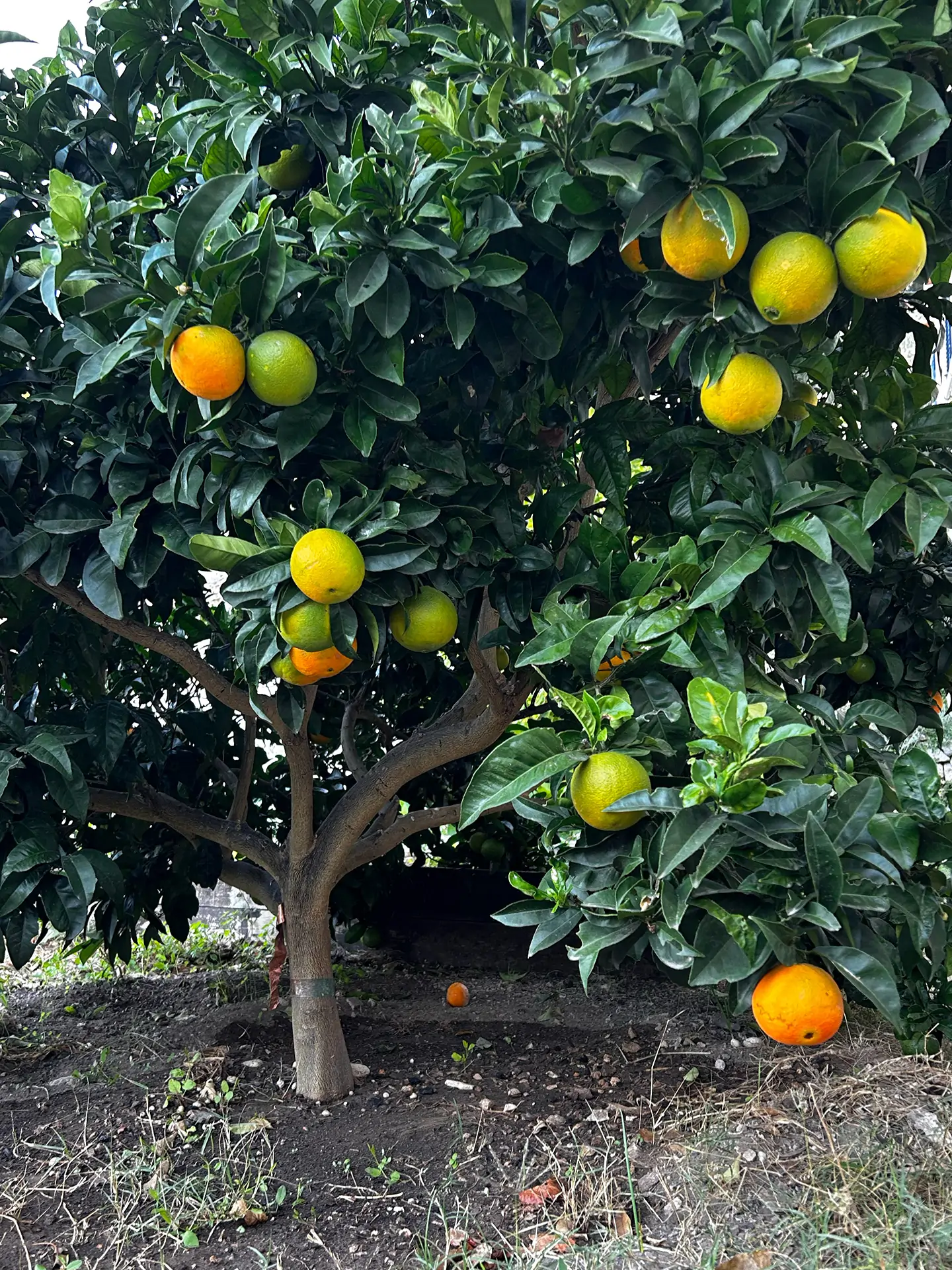
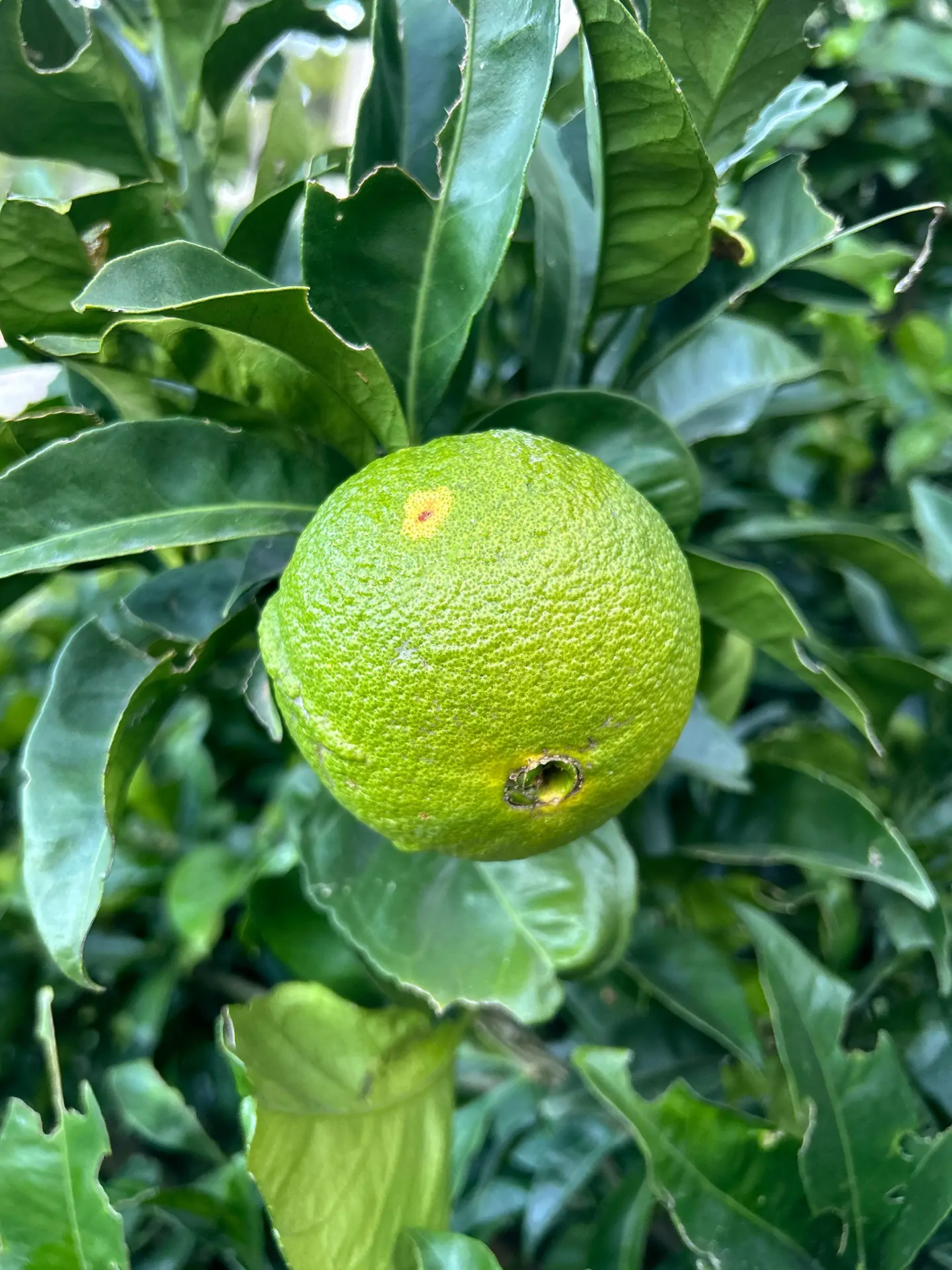
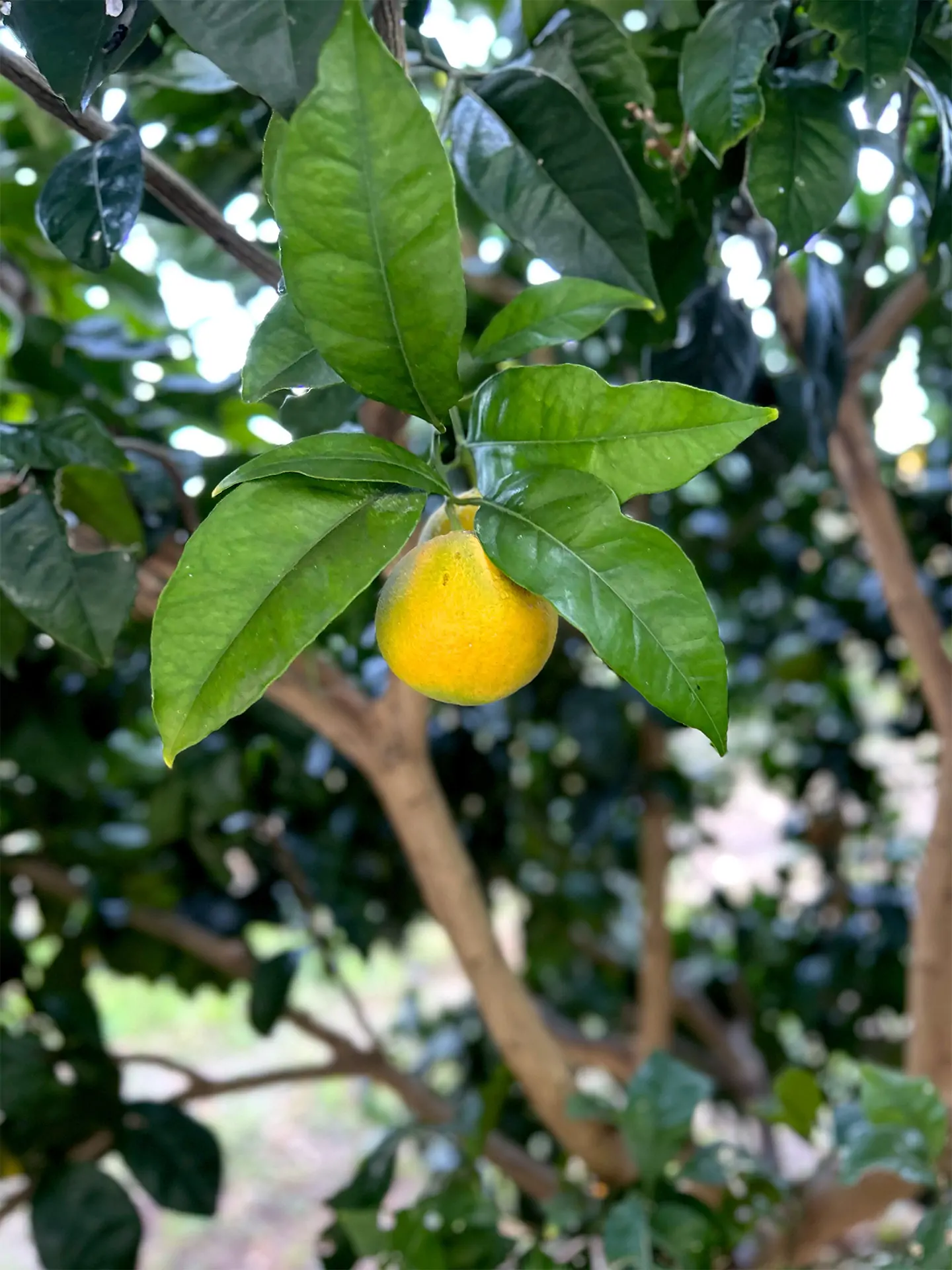
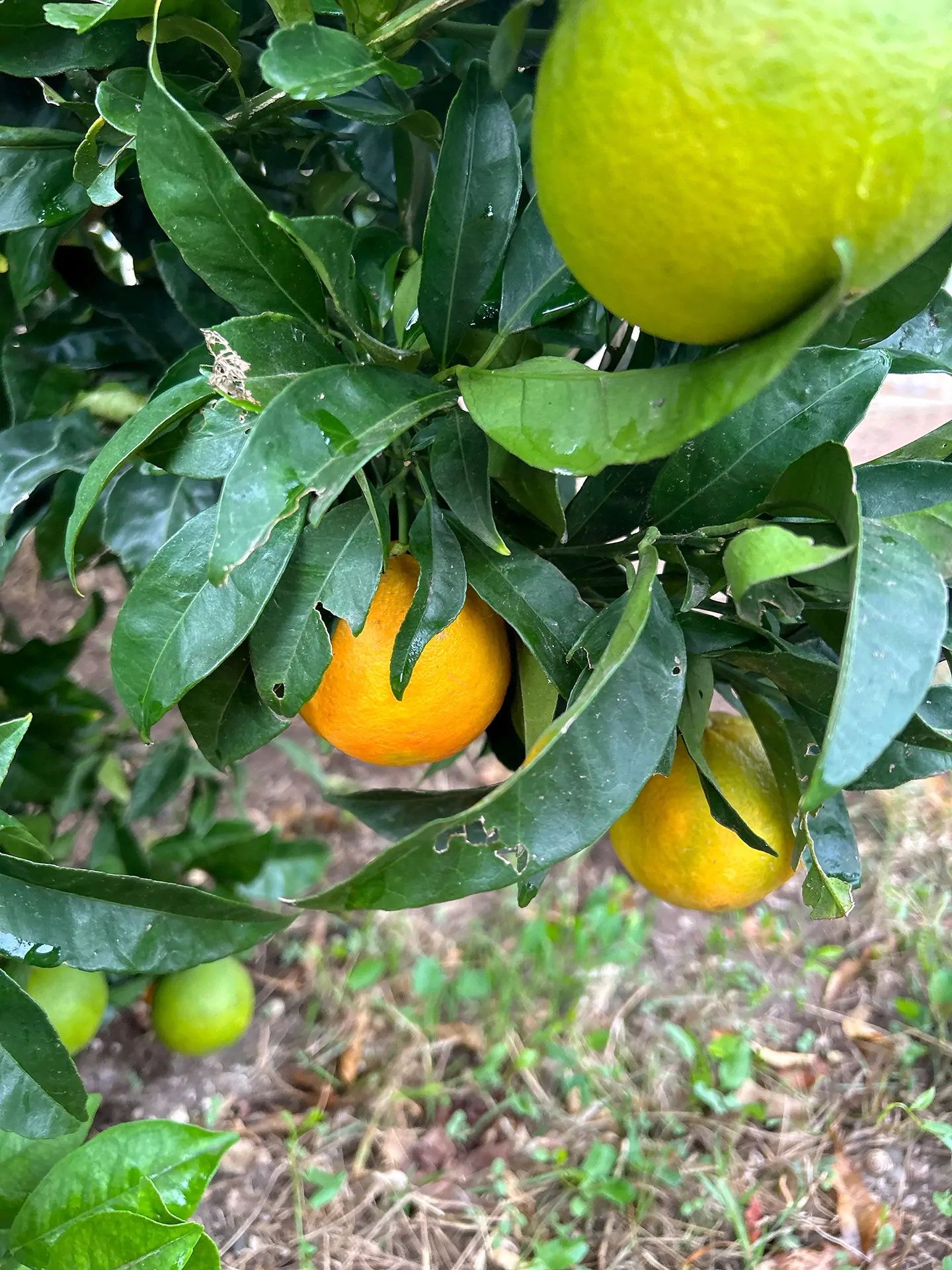
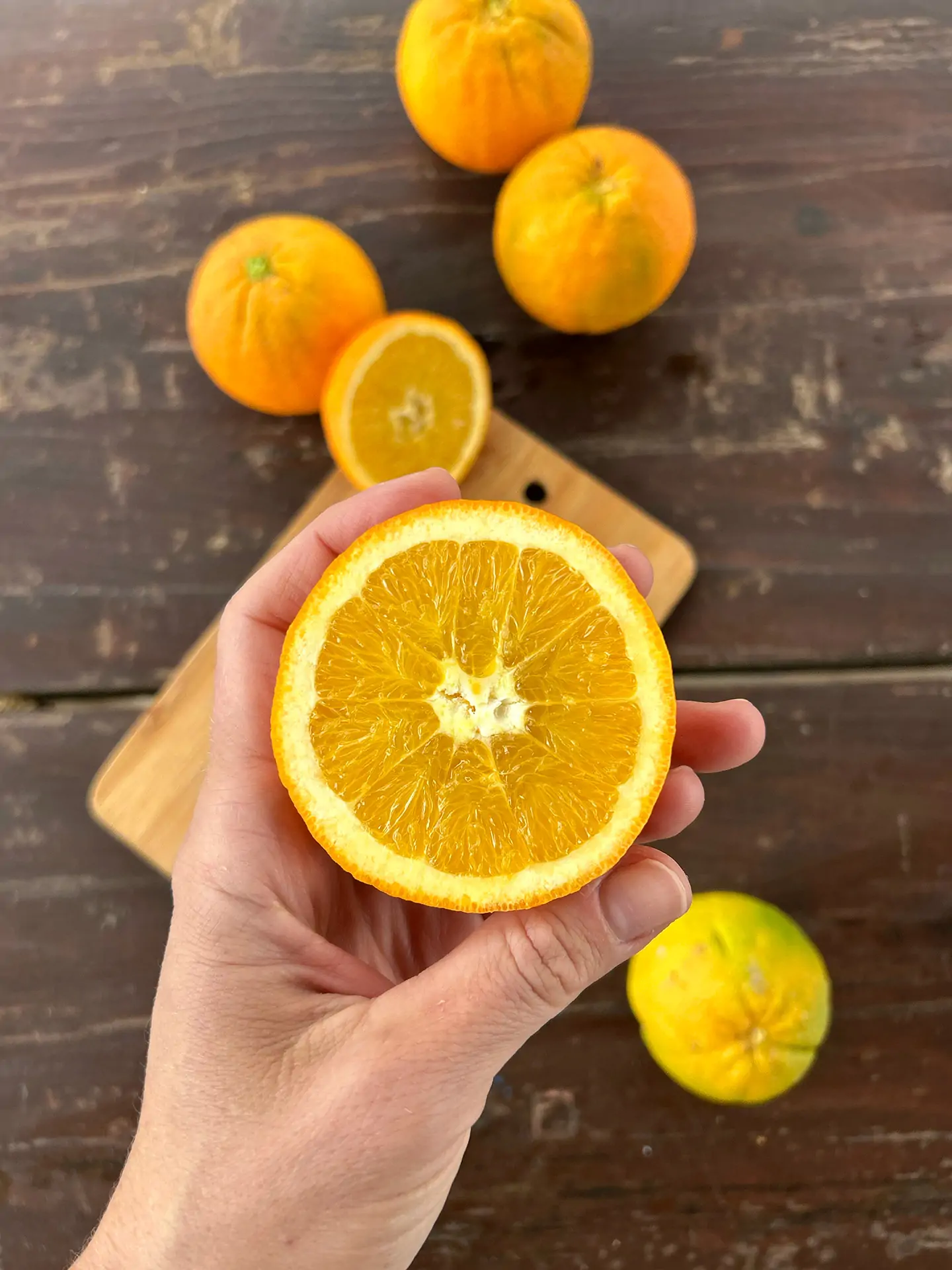
Oranges travel along a scale from unripe to overripe. Somewhere inside that spectrum lies the slice we call perfectly ripe. But the orange has not stopped in time at that point. It remains in the middle of its ripening.
That sense of passing is difficult to feel when we buy an orange in a shop as a finished product. It stays on the shelf only briefly in its ripe phase; we do not meet what came before or what follows. Lifted from its context, the orange can seem fixed at the moment we choose it. It is orange and sweet — an account that freezes it in our minds. We did not witness the transformation through every stage in which, day by day and month by month, the tree laboured to express its singular “orangeness”. At every moment of that process it was an orange, from blossom to fruit, immersed in nature and time.
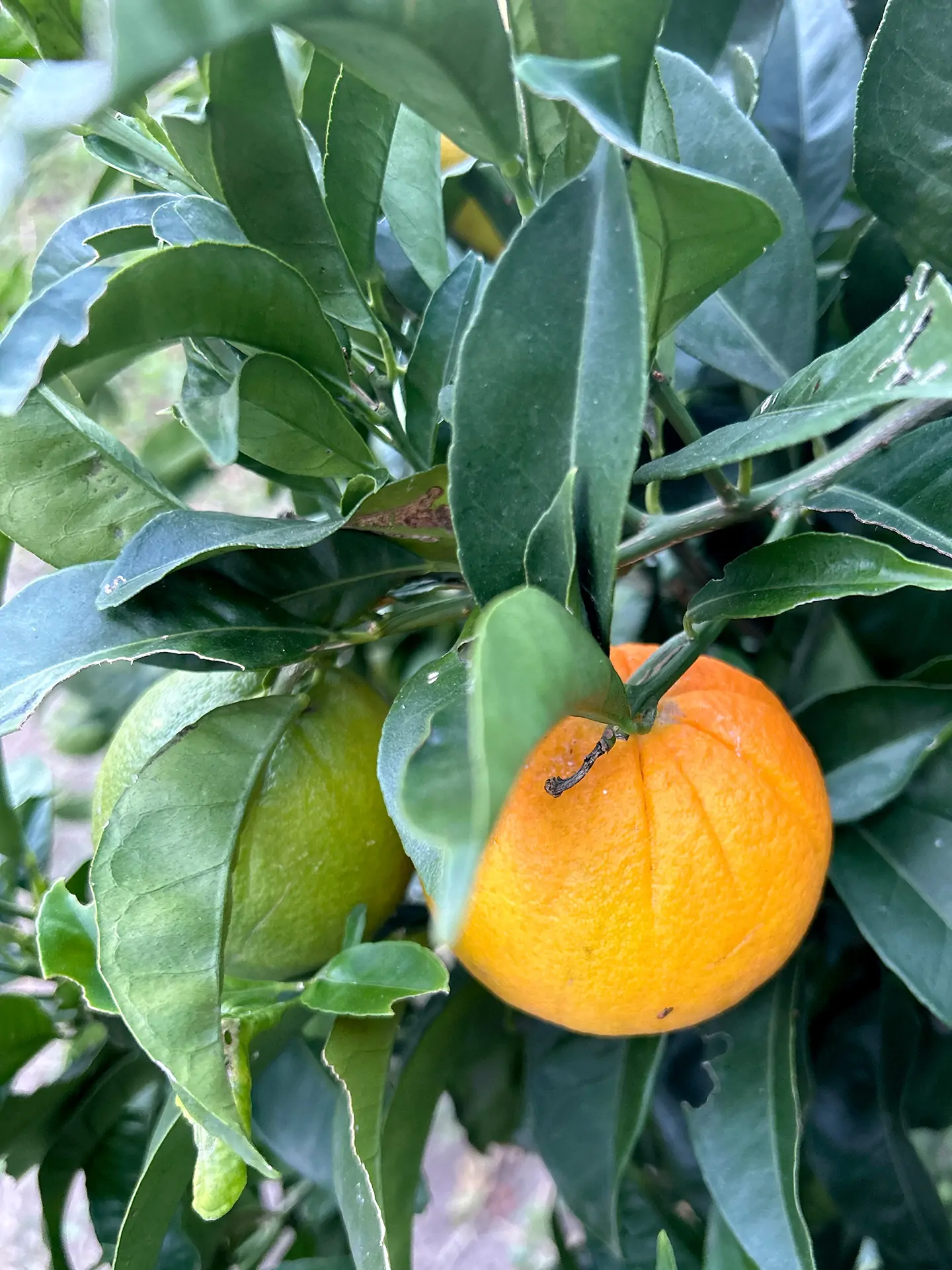
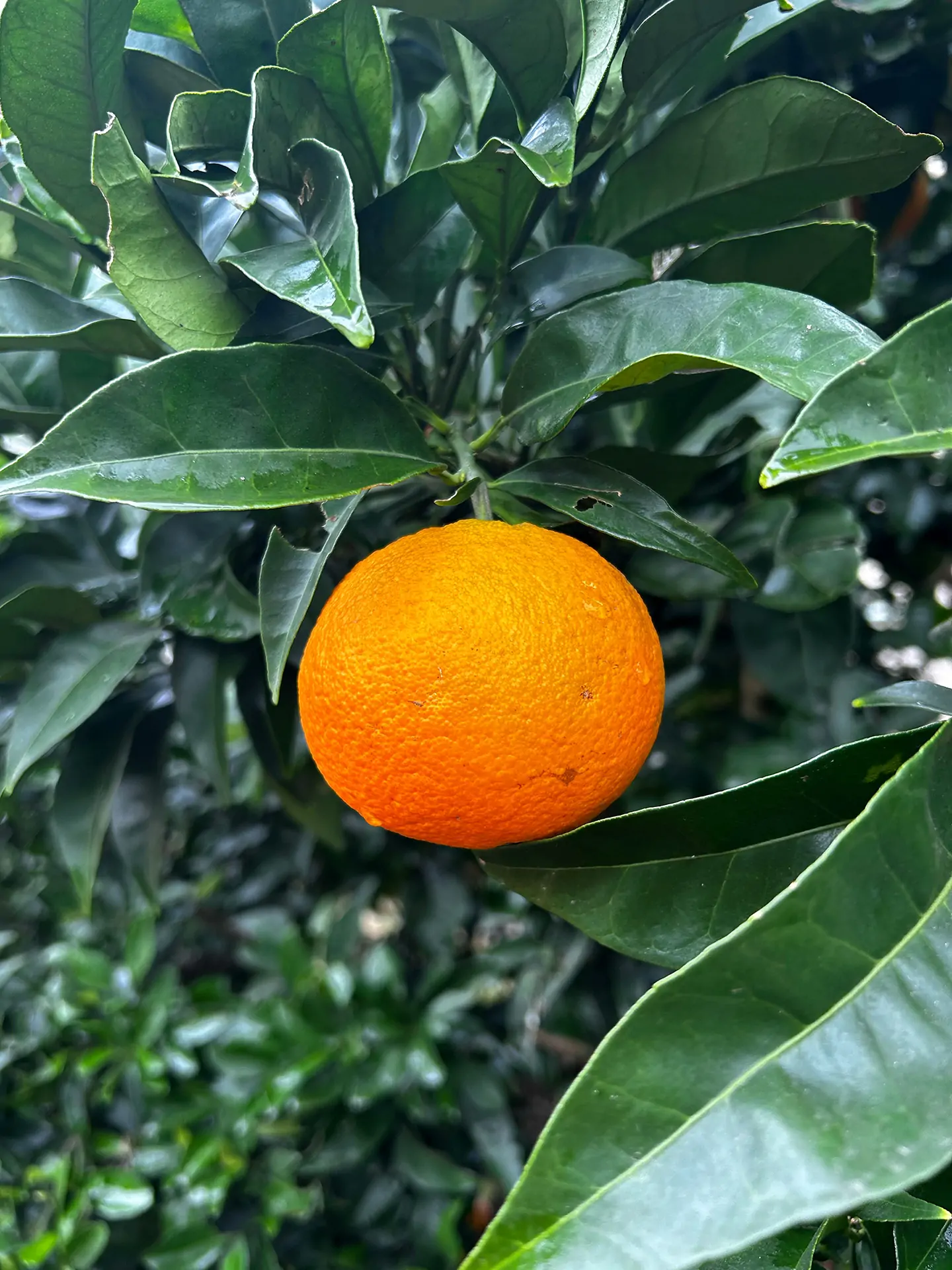
How does this tree know how to make an orange — so distinct and fragrant — out of nothing but water and sunlight? That is magic.
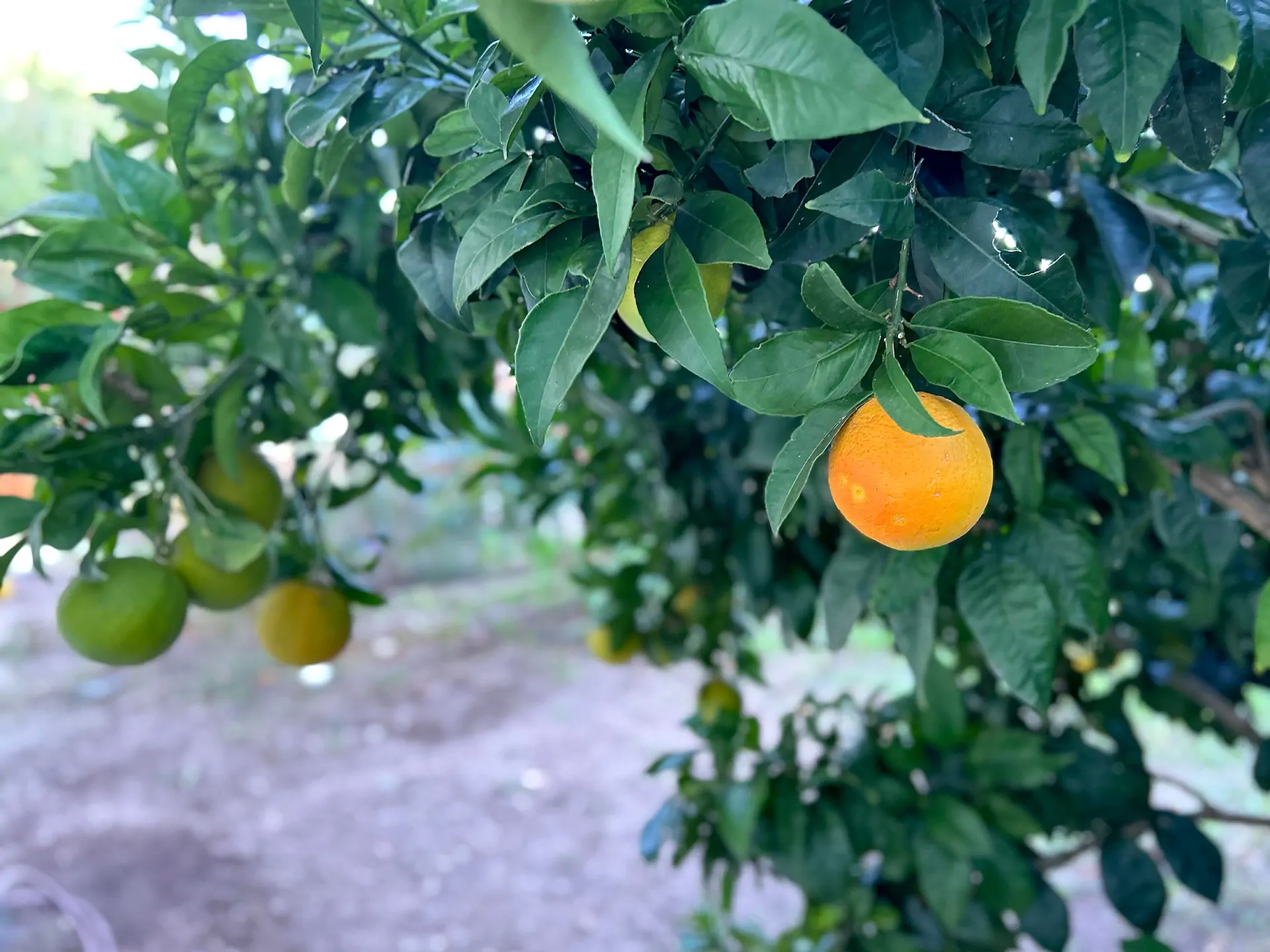
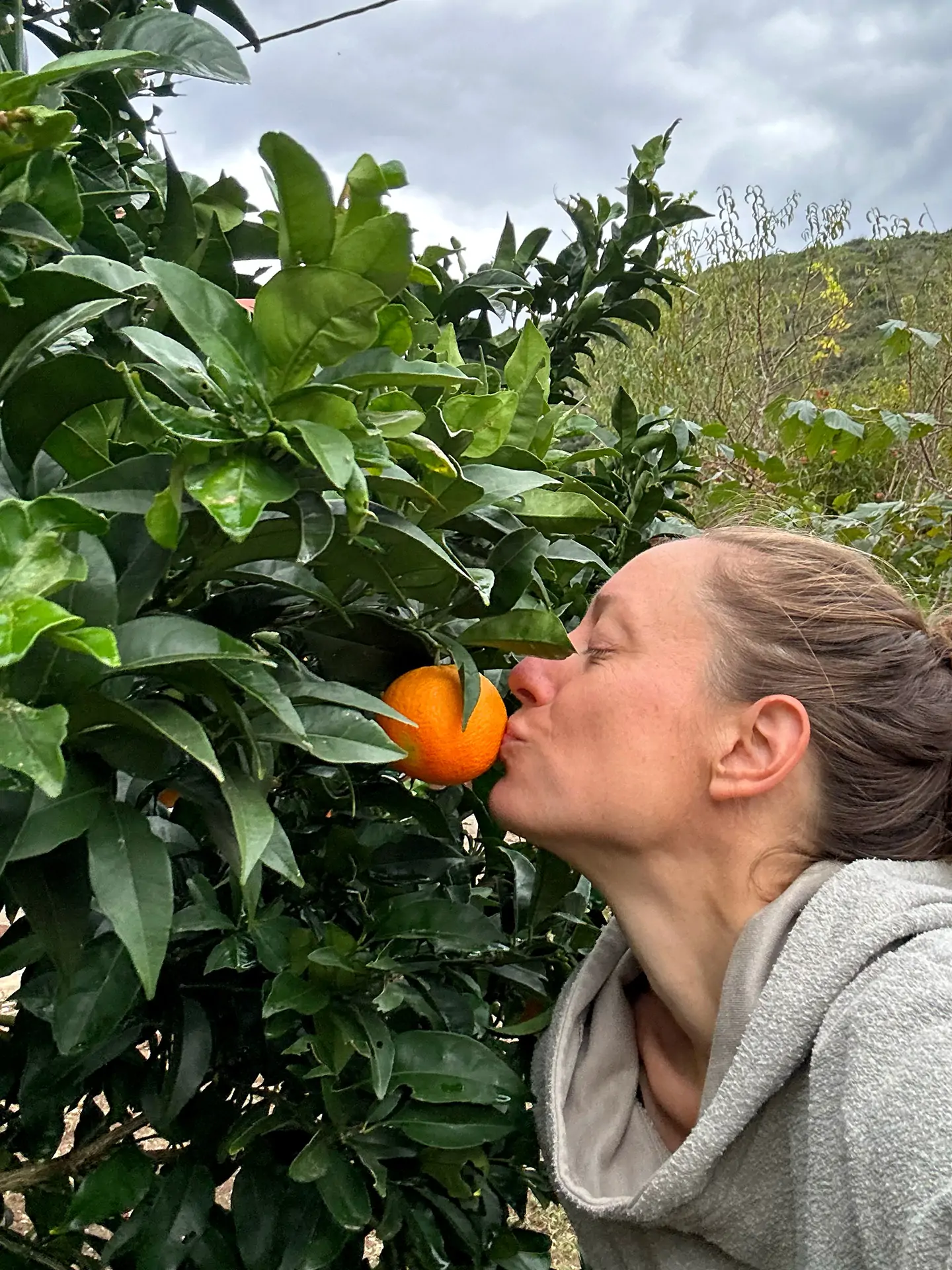
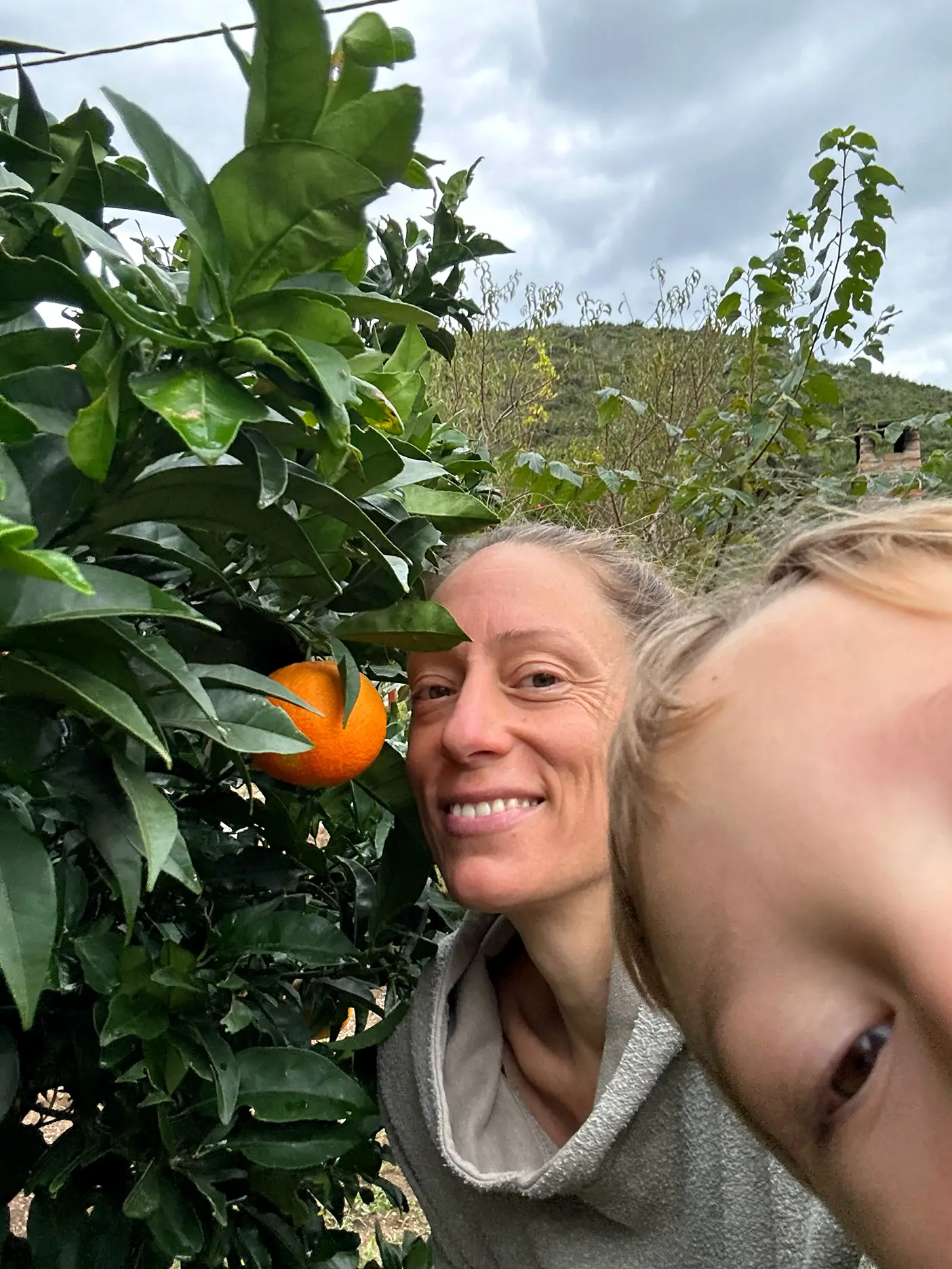
An orange tree is an ornament in the garden. Its leaves stay green all year. In spring its blossoms smell intoxicating; in autumn it dresses itself in these little balls, gifts for us. Above all, we tend the tree because it bears such juicy fruit, bursting with liquid and flavour. We also love playing hide-and-seek behind it, hunting for another pair of eyes through the branches, dense leaves, and small orange joys.