Fibermaxxing
The importance of dietary fiber
Fibermaxxing is a social media health trend that promotes maximizing dietary fiber intake to improve health, digestion, and blood sugar regulation. The trend encourages intentional addition of fiber-rich foods to meals, such as fruits and vegetables. It also encourages fiber intake from a variety of sources, with the goal of consuming about 30 different plant species and varieties per week (a diversity diet). The idea is to achieve a diet that contains about 25-30 grams of fiber per day.
1. What are fibers?
Dietary fiber is the indigestible component of plants. It is a type of carbohydrate that our bodies cannot break down for energy, resistant to human digestive enzymes. As a result, fiber passes through the digestive system relatively intact until it reaches the gut microbiome.
Fiber is found in fruits, vegetables, whole grains, legumes, nuts, seeds, spices, and teas, and is divided into soluble and insoluble. Soluble fiber dissolves in water, attracts water to the intestines, and turns into a gel-like substance (e.g., oats, beans, apples). Insoluble fiber does not dissolve in the digestive tract (e.g., whole grains, nuts, some vegetables).
2. What is the purpose of dietary fiber?
Dietary fiber is broken down by microbes in the gut. It acts as a prebiotic, providing a primary food source for beneficial bacteria and promoting microbial diversity. Microorganisms feed on the fiber we consume and produce compounds that are essential for health, such as short-chain fatty acids, through fermentation in the colon. This supports a healthy gut lining, immune system, brain health and cognitive function. A low-fiber diet starves good microbes, reducing diversity and leading to an overpopulation of potentially harmful microorganisms such as Candida. This is why fiber plays a key role in maintaining a balanced gut ecosystem, and thus, immunity.
3. Why is fiber so important for us?
Digestive health: Prevents constipation, hemorrhoids, and reduces the risk of colon disease. Fiber requires longer and more chewing, and good digestion begins with thoroughly chewing food.
Heart health: Helps lower cholesterol and reduce the risk of heart disease.
Blood sugar control: Slows down the absorption of glucose, which benefits diabetes control and improves insulin sensitivity.
Weight control: Increases feelings of fullness, helps control appetite.
Disease prevention: Fiber consumption is associated with reduced inflammation in the body, a reduced risk of certain types of cancer, including colon cancer, and increased immune system functionality.
Dental health: The texture of fiber mechanically cleans teeth, stimulates saliva, reduces plaque, inflammation, prevents cavities and gum disease, and maintains a healthy oral microbiome.
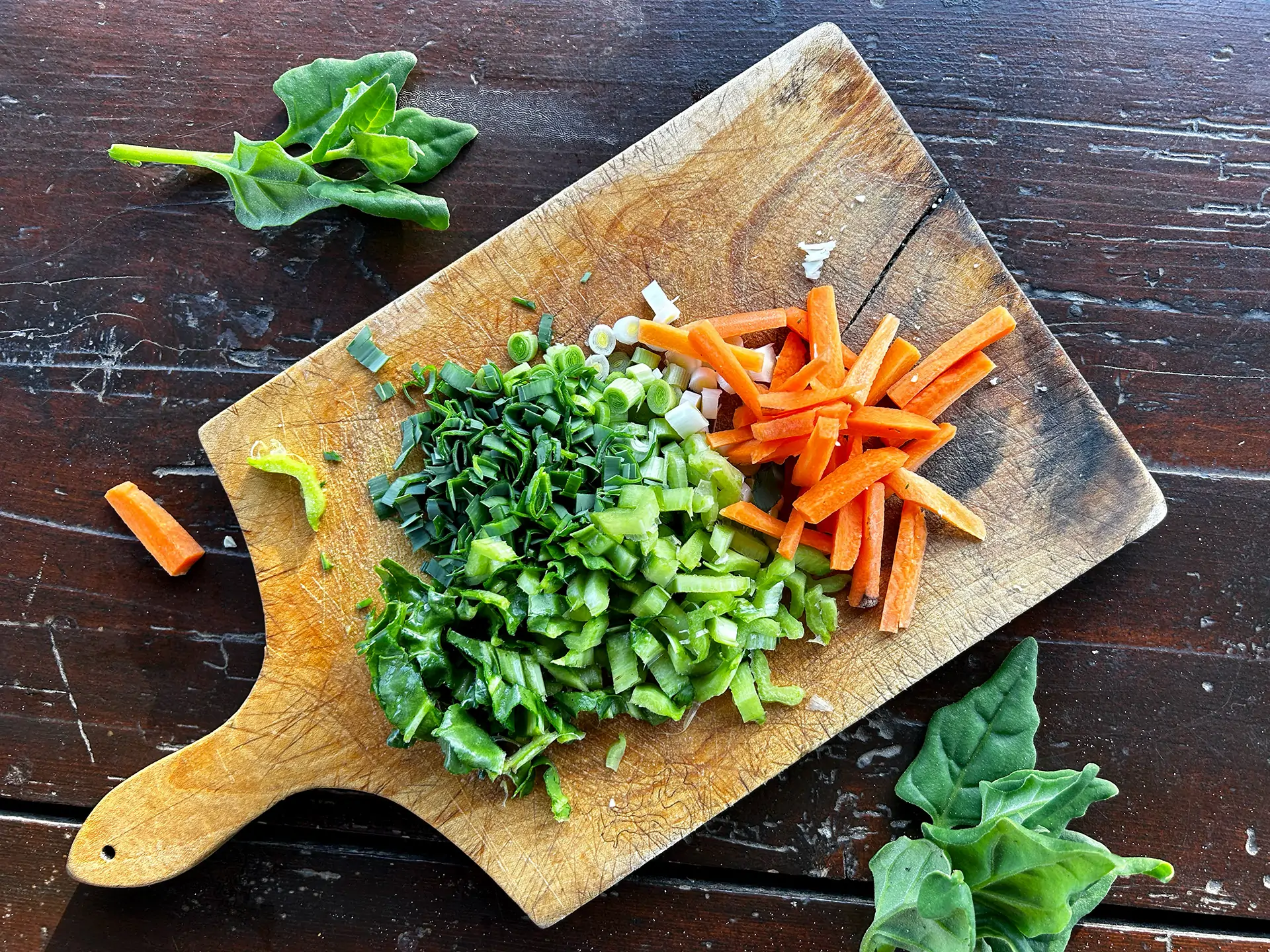
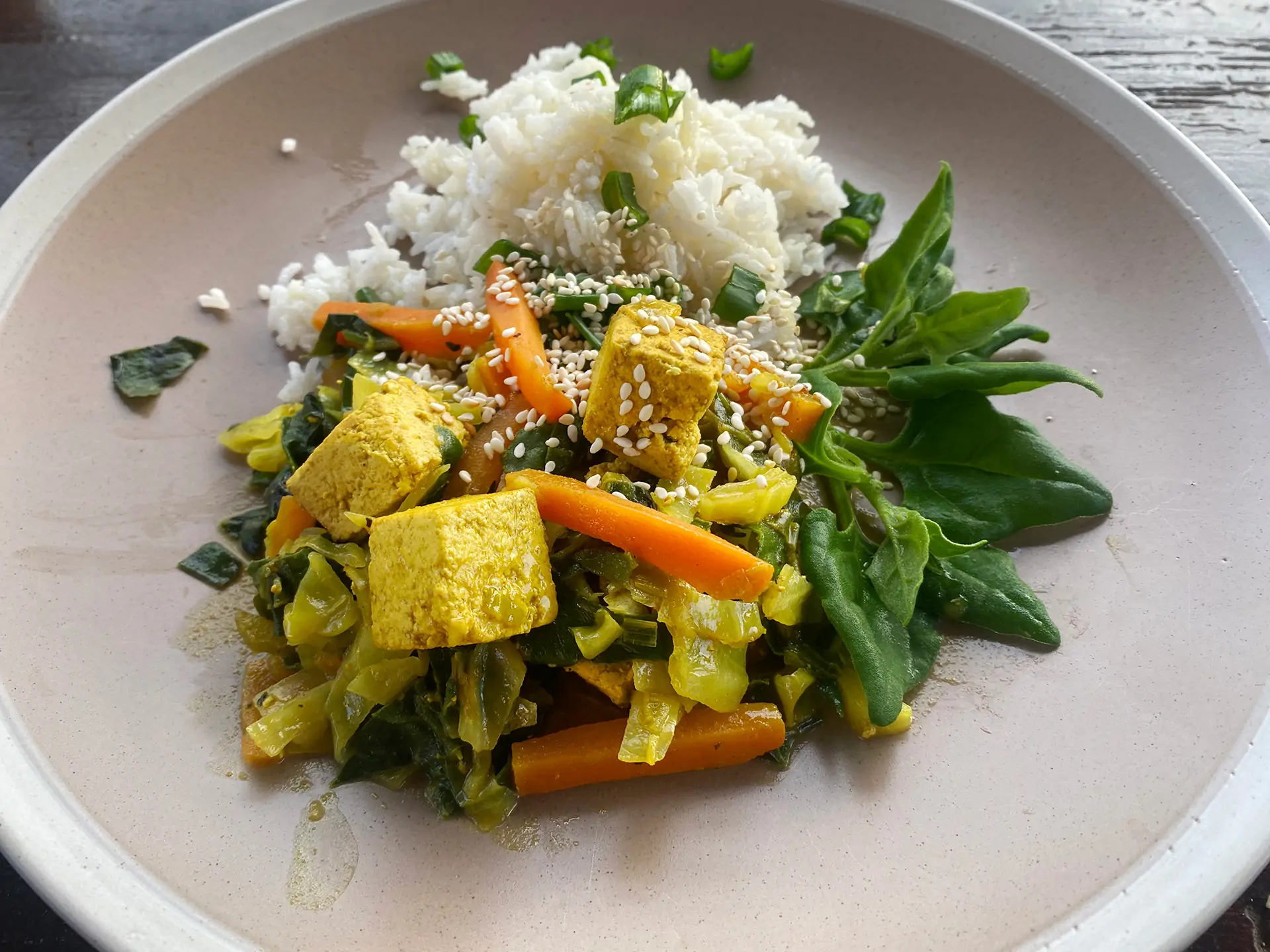
4. What are the challenges of consuming more fiber?
High-fiber foods naturally contain “antinutrients.” These are compounds that plants use as a defense mechanism. However, these antinutrients block the absorption of nutrients (such as iron, zinc, magnesium, and calcium) in the intestines and can interfere with the digestion of proteins and carbohydrates. These are primarily phytic acid, lectins, oxalates, and tannins. For this reason, foods with a high fiber content need to be properly prepared to reduce or eliminate the negative effects of these compounds. For example, brown rice should be soaked in advance and cooked longer than white rice precisely because of the fibrous coating it contains.
Here are some ways to reduce the antinutrients in high-fiber foods.
Dosage: We can investigate for ourselves if a large amount of a fiber source makes us constipated, bloated, or difficult to digest, and be aware of consuming this fiber in smaller doses.
Soaking: Soaking grains, beans, nuts, and seeds in water (preferably overnight) and then discarding the water helps dissolve water-soluble antinutrients and activates enzymes that break them down.
Cooking: High heat effectively breaks down many antinutrients, especially lectins, tannins, and protease inhibitors. Make sure to cook legumes and chickpeas thoroughly.
Dry roasting: Seeds and nuts become more digestible by gently roasting them, which breaks down some of the compounds in them, lowers tannin levels, and improves nutrient absorption.
Sprouting: The sprouting process significantly reduces phytic acid content and can also reduce lectins by activating natural plant enzymes.
Fermentation: The action of beneficial microorganisms and the resulting pH change can effectively break down phytic acid and other antinutrients. Such as sourdough bread, miso, and fermented vegetables.
Eat a variety of foods: Eating a wide variety of foods ensures that even if nutrient absorption is slightly reduced at one meal, from one source, we get enough nutrients from other sources throughout the day.
Smart combination: Combine foods full of antinutrients with foods that improve nutrient absorption. For example, adding a source of vitamin C (like tomatoes or citrus fruits) to a meal with legumes can improve iron absorption. Adding vinegar also helps activate digestive enzymes and increase digestive fire.
To wisely enrich your diet with fibrous foods, you should prepare your foods in advance and consider the time needed for the sprouting, fermenting, and soaking processes.
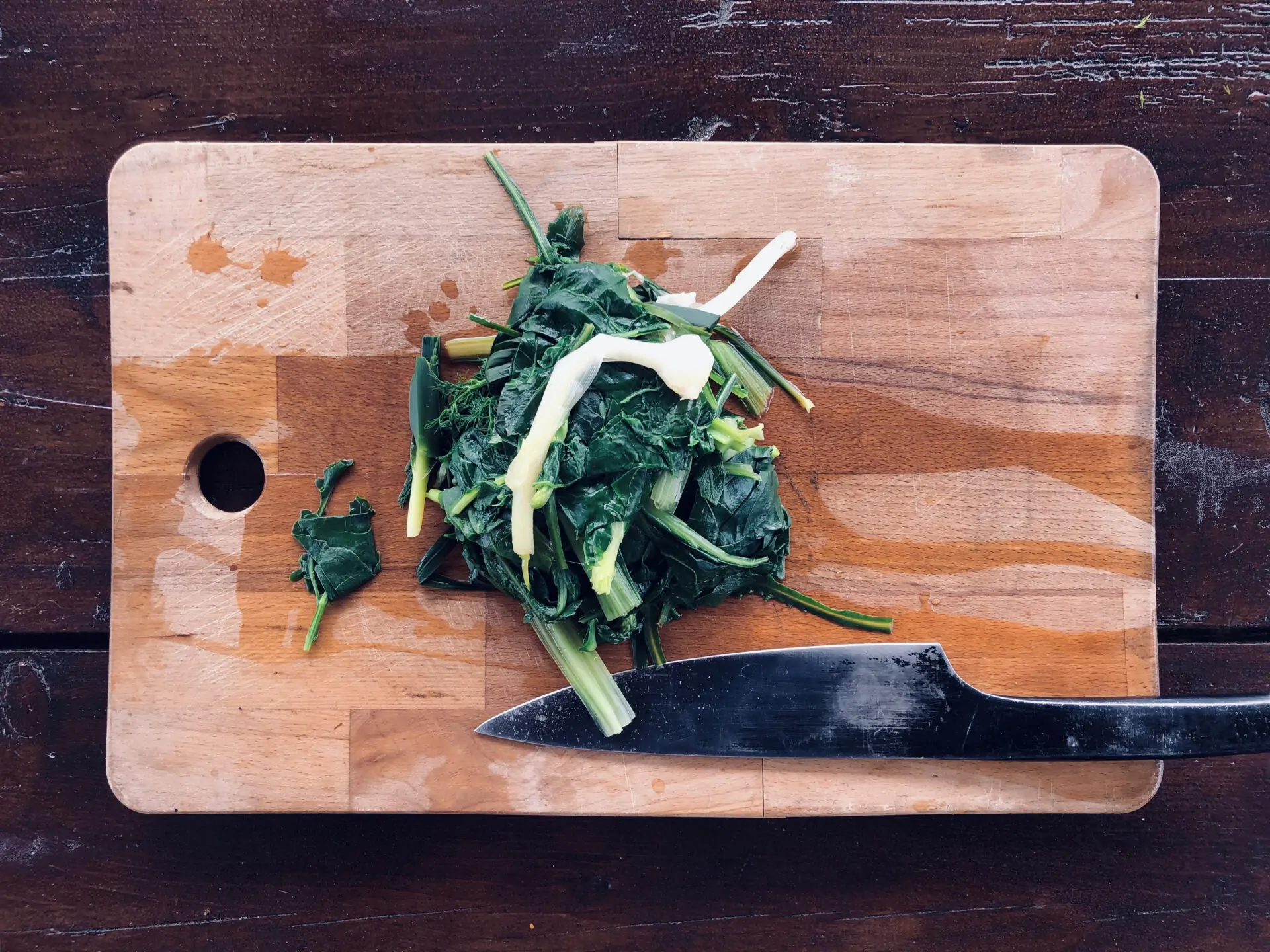
5. How to get started with fibermaxxing?
As great as fiber is for digestion, detoxification, and overall health, cramming a huge amount of fiber-rich foods overnight will result in bloating, cramping, and gas. Therefore, a fiber-replenishment plan must be gradual. It takes time for colonies of microorganisms to develop in the digestive system that feed on new nutrients and can then digest them. Fiber should be introduced into the diet gradually and with understanding.
Here are some key guidelines.
Be careful with taking fiber supplements.
Add fiber slowly, 5 grams per week.
Mix sources of soluble and insoluble fiber.
Introduce fiber from different sources.
Pay attention to how you feel when you eat something.
Eat a small amount of one source of fiber at a time. For example, half a cup of cooked lentils at a time.
Stay hydrated, fiber without water causes constipation.
Support fiber-rich foods with healthy fats and proteins.
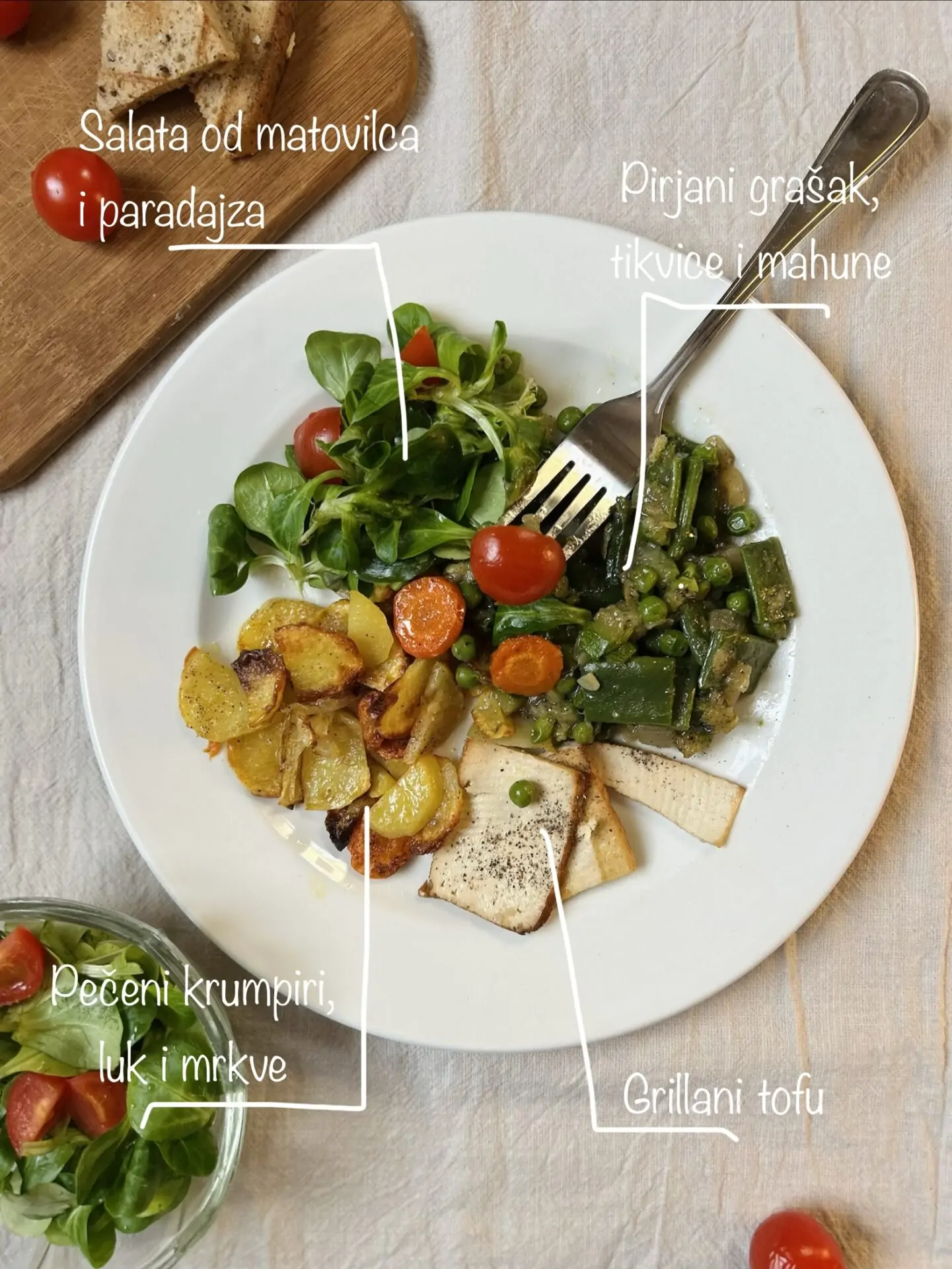
6. What science says about fibermaxxing?
The standard for daily fiber intake of 20 to 35 grams was established decades ago, but unfortunately, in the modern world, only a small percentage of the population achieves this amount. Experts say that higher fiber intake can help prevent chronic diseases, from cardiovascular disease to diabetes and cancer, but the evidence is still being strengthened.
While increasing fiber intake is generally beneficial, not all fibers behave the same in every situation. In people with inflammatory bowel disease (IBD), for example, β-fructans (a type of fiber found in foods like chicory root and Jerusalem artichoke) may help stimulate the production of short-chain fatty acids and support colon repair. However, their effects depend on the composition of an individual’s microbiome and whether the disease is in remission or active. In some patients, certain fibers may worsen symptoms rather than alleviate them.
Insights so far suggest that future dietary advice could include not just how much fiber we need, but also how our microbiome responds to different types of fiber, highlighting the importance of personalized dietary approaches over universal recommendations.
As research continues to uncover how dietary fiber shapes our microbiome and impacts long-term health, one message is clear: the popularity of fibermaxxing is a positive trend.
Including fiber in your daily diet is one of the most powerful and easiest ways to support good health.
7. Applicable suggestions
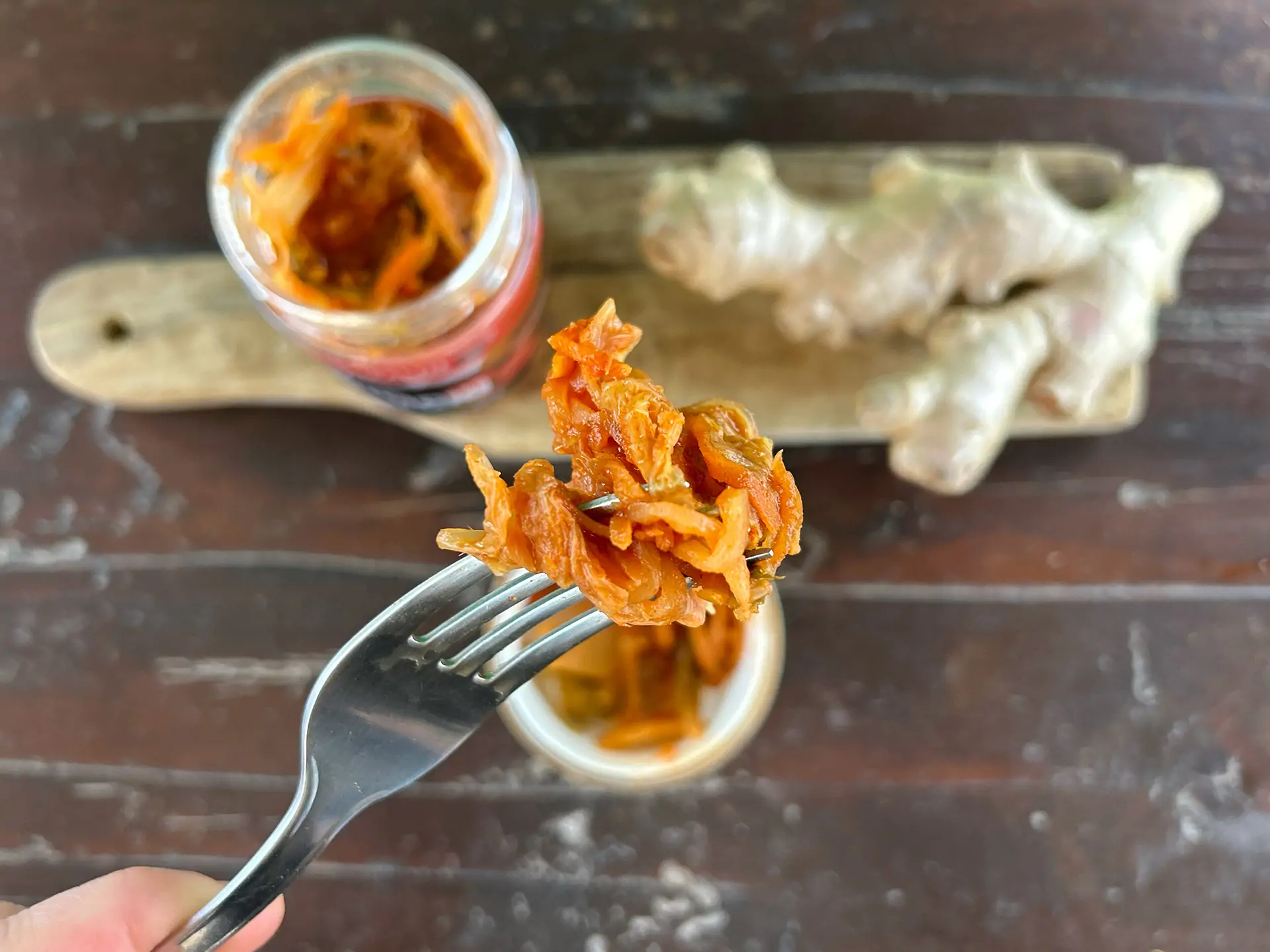
FRIENDS PROBIOTICS – These are live microorganisms, beneficial bacteria and yeasts, that are naturally found in fermented foods such as yogurt, sauerkraut and fermented soy products. Their consumption supports a healthy gut microbiome, aids in nutrient absorption, stimulates digestive enzymes and strengthens the immune system. Foods rich in probiotics, as well as probiotic supplements, should be included in the regular menu.
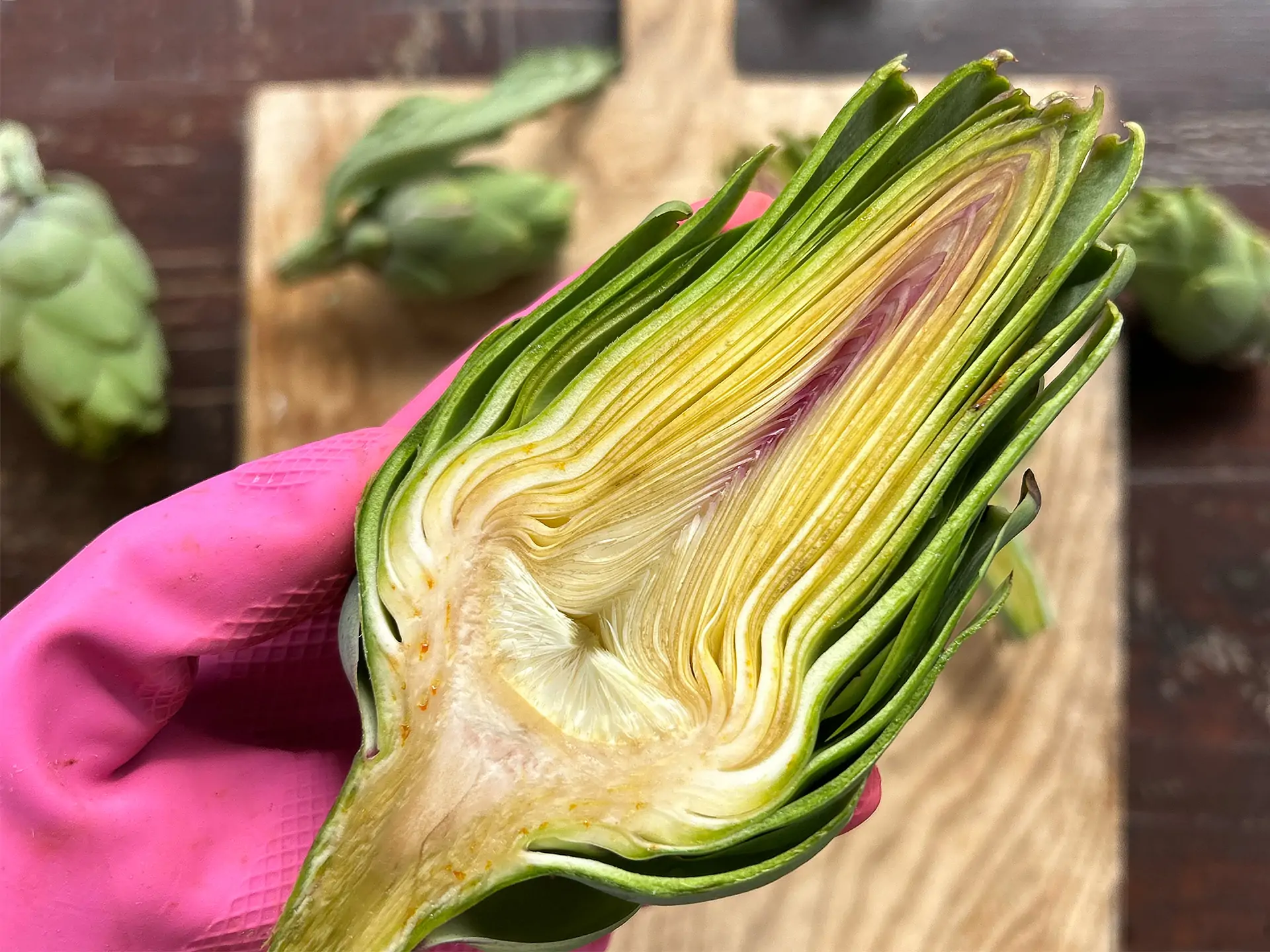
DAILY PREBIOTICS – A type of indigestible fiber that passes through the upper digestive tract to the large intestine where it serves as food for good intestinal microflora. Sources of prebiotics include: garlic, onions, leeks, asparagus, chicory root, artichokes, dandelion leaves, bananas, berries, oats, barley, beans, peas, whole grains. Every meal can contain a source of prebiotics.
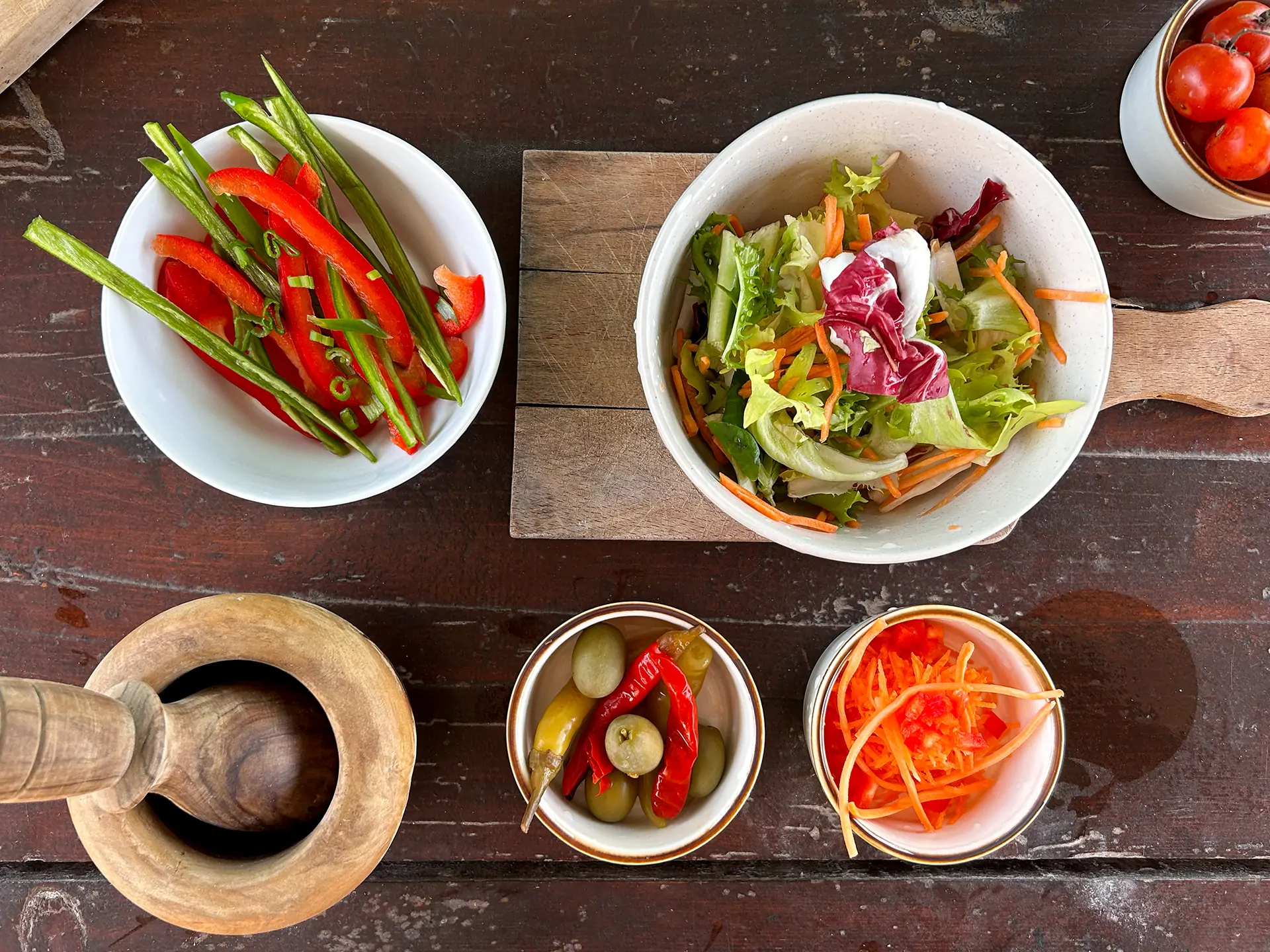
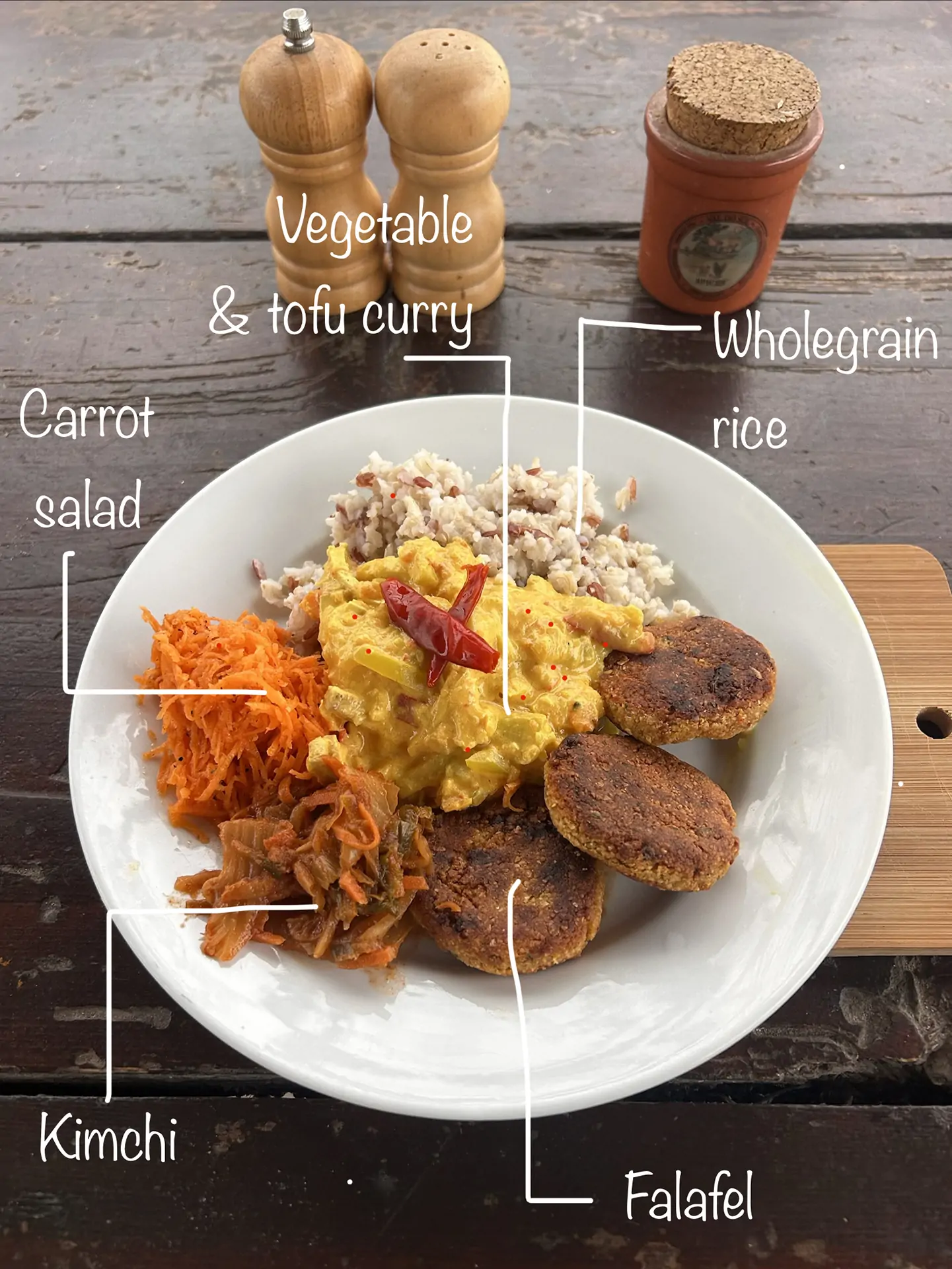
COLORFUL SALADS – In the name of the Diversity diet, we can remember to eat a variety of vegetables in the form of salads. For example, grated carrots or celery, mixed leaves and roots, even pickled vegetables… And so on, different every day. Salads provide a great opportunity to sprinkle with toasted seeds or to add protein in the form of cooked beans or tofu and a tahini or yogurt dressing.
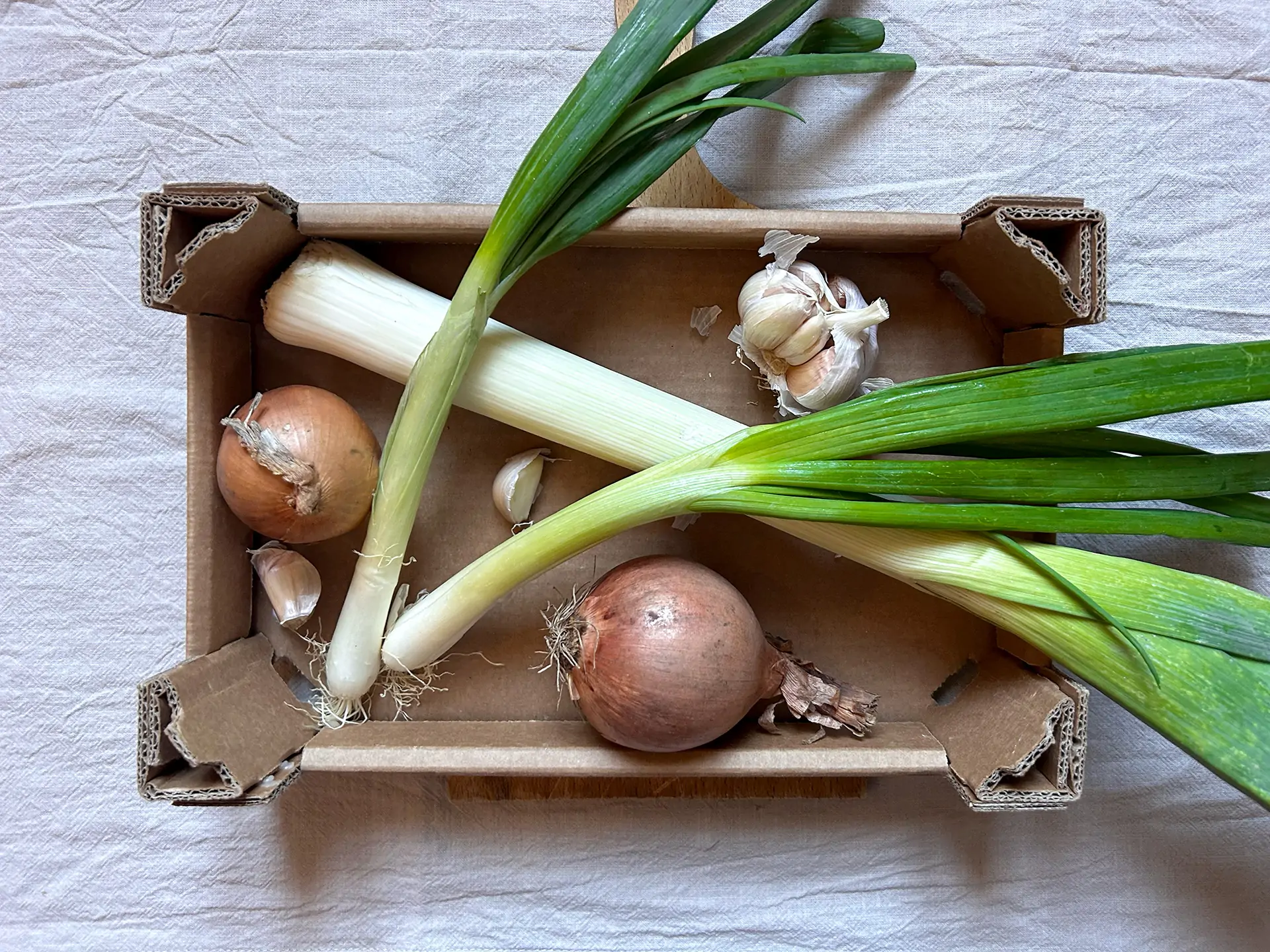
ENRICH WITH BULBS – Given that chicory, artichoke and asparagus are not available in our daily meal planning, we can add a larger amount of prebiotics with bulbs. Instead of one onion in a cream soup, we can put two or one large one, a few cloves of garlic and a piece of leek. Onions always give a great background to any dish, making your food even tastier. We find bulbs in different forms and we are invited to use them all.

ALL SHADES OF PEPPER – Yes, even that counts as a different source of fiber, instead of just black pepper, put three colors in your pepper grinder. It’s a small thing but it helps to reach the 30 different varieties of vegetables and spices count in a week.
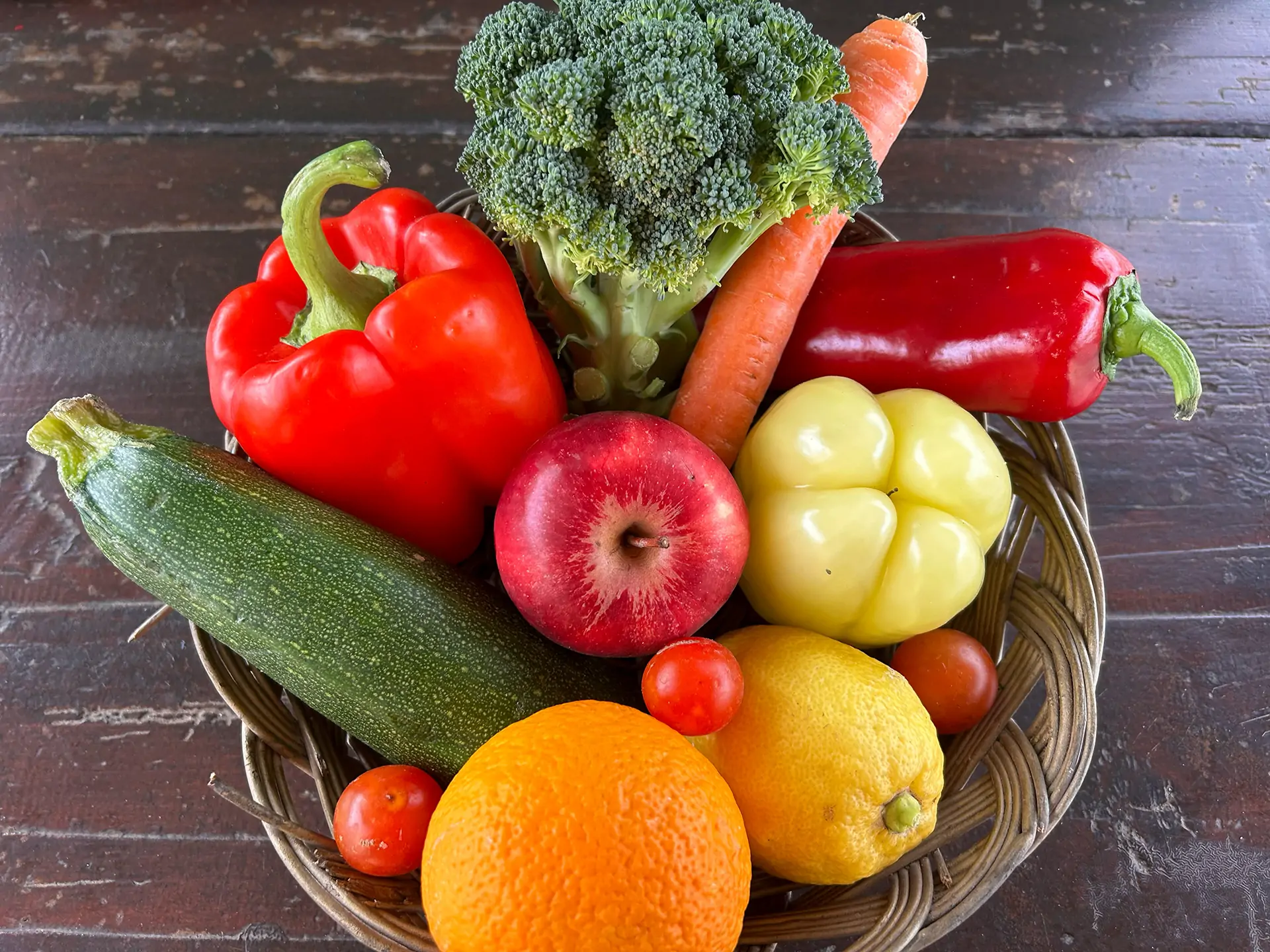
COLORS – Colorful fruits and vegetables are packed with polyphenols, plant compounds that give them their vibrant colors and have great health benefits. Blue/purple colors are high in anthocyanins, red/orange colors are rich in lycopene/carotenoids, and greens contain flavonoids, all of which act as antioxidants and support heart, brain, and immune system health.
Read more about implementing fiber into a vegan diet and ideas for wholesome meals on the VEGAN PROTEINS blog. Yogic nutrition is a lifestyle that keeps the mind alert, the body healthy, and the heart calm. More about these principles on the 7 PRINCIPLES OF YOGI DIET blog.
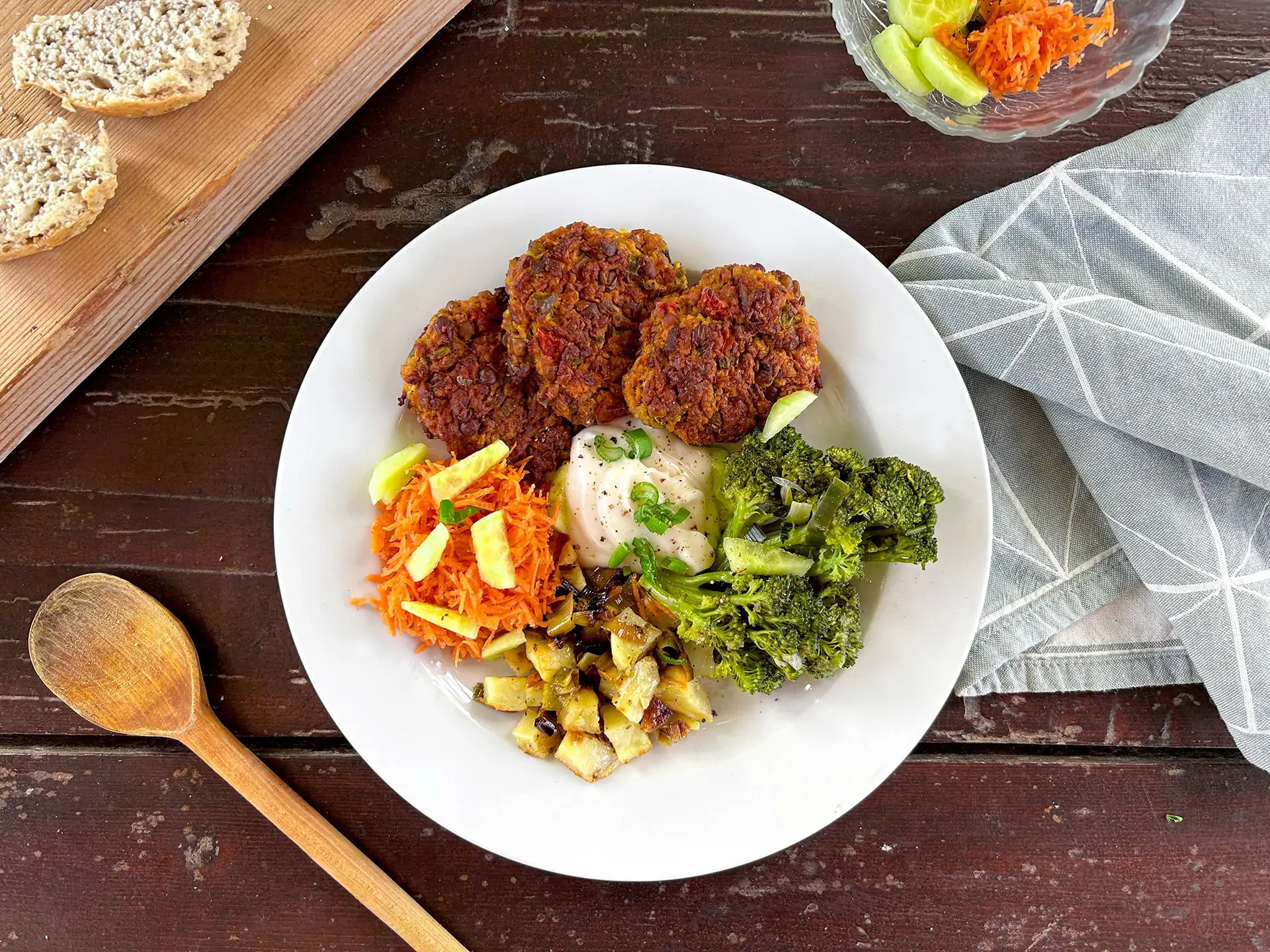
Get inspired and start putting together healthy, colorful, varied, and delicious meals for the whole family every day and for special occasions for guests.
Sources:
Theguthealthmd
Gutmicrobiotaforhealth
The Poo Doctor
30 Plants Per Week
Fiber-and-cancer-risk
Could-you-eat-30-plant-based-foods-each-week